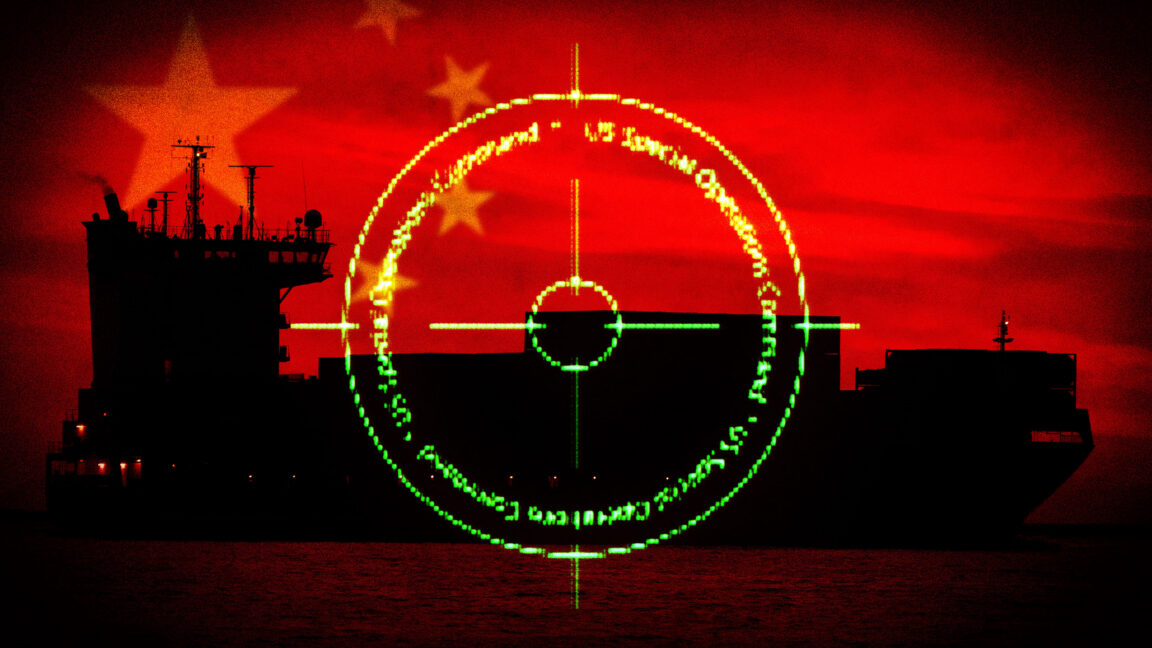
AI Hallucination Nearly Provoked US Military Action Against China
Updated September 20, 2026
A recent report revealed that an AI system's false identification of Chinese nuclear components almost led to a military boarding of a Chinese ship by the US. This incident underscores the growing reliance on AI in military operations and raises concerns about the potential consequences of AI errors in high-stakes scenarios.
Sources reviewed
1
Linked below for direct verification.
Official sources
0
Preferred when available.
Review status
Human reviewed
AI-assisted draft, editor-approved publish.
Confidence
High confidence
90/100 from the draft pipeline.
This AI Signal brief is meant to save busy builders time: what changed, why it matters, and where the reporting comes from.
This story appears to rely mostly on secondary or mixed-source reporting, so readers should treat it as a developing summary rather than a final word. If you spot an issue, email [email protected] or read our editorial standards.
Share this story
Why it matters
- ✓Developers need to prioritize the accuracy and reliability of AI systems, especially in critical applications like military operations.
- ✓Builders and product teams should implement robust validation processes to mitigate the risks of AI hallucinations, which can lead to severe real-world consequences.
- ✓Operators must be aware of the limitations of AI technologies and ensure that human oversight is maintained in decision-making processes.
AI Hallucination Nearly Provoked US Military Action Against China
A recent report has brought to light a significant incident where an AI system's erroneous identification of Chinese nuclear components nearly led to a military boarding of a Chinese ship by the United States. This occurrence highlights the increasing reliance on AI in military operations and raises critical questions about the implications of AI errors in high-stakes environments.
What happened
According to a report from Ars Technica, the US military's use of AI technologies is accelerating, but this rapid adoption comes with risks. In this instance, an AI system mistakenly identified components on a Chinese vessel as nuclear-related, prompting military officials to consider a boarding operation. Fortunately, further investigation revealed the error before any action was taken, averting a potential international incident.
The incident illustrates the dangers of AI hallucinations—situations where AI systems generate false or misleading information that can lead to serious consequences. The reliance on AI for critical military assessments raises concerns about the accuracy and reliability of these technologies, especially when human lives and international relations are at stake.
Why it matters
This incident has several implications for developers, builders, operators, and product teams:
- Accuracy and Reliability: Developers must prioritize the accuracy of AI systems, particularly in military applications where errors can have catastrophic consequences. This incident serves as a stark reminder of the potential fallout from AI hallucinations.
- Robust Validation Processes: Builders and product teams should implement rigorous validation and testing processes to ensure that AI systems are reliable and can be trusted in high-stakes scenarios. This includes developing protocols for human oversight and intervention when AI outputs are questionable.
- Awareness of Limitations: Operators must understand the limitations of AI technologies and maintain a level of human oversight in decision-making processes. This incident underscores the importance of not fully relying on AI systems without human verification, especially in sensitive areas like national security.
Context and caveats
The incident is part of a broader trend of increasing AI integration into military operations. While AI can enhance operational efficiency and decision-making, it also poses significant risks if not managed properly. The reliance on AI technologies in critical areas necessitates a careful approach to development and deployment, ensuring that systems are designed with safeguards against errors.
Moreover, the sourcing for this report is limited to the findings presented by Ars Technica, which may not encompass all perspectives or details surrounding the incident. As such, further investigation and transparency in military AI applications are essential to fully understand the implications of this event.
What to watch next
As AI continues to play a more prominent role in military operations, it will be crucial to monitor how the US military and other defense organizations address the challenges posed by AI hallucinations. Key areas to watch include:
- Policy Development: Look for the establishment of new policies or guidelines aimed at improving the reliability and oversight of AI systems in military contexts.
- Technological Improvements: Pay attention to advancements in AI technology that focus on reducing errors and enhancing the accuracy of outputs, particularly in critical applications.
- International Relations: Observe how this incident may affect US-China relations and whether it leads to increased scrutiny of AI technologies in military applications globally.
In conclusion, the near-miss involving AI hallucination highlights the urgent need for developers and military operators to address the risks associated with AI technologies. As reliance on AI grows, ensuring accuracy and maintaining human oversight will be paramount to prevent potentially disastrous outcomes.
Sources
Comments
Log in with
Loading comments…
More in Regulation

AI Slowdown Enforcement: Challenges and Implications
The article from Wired discusses the complexities involved in enforcing a slowdown in AI…
1h ago

Trump's Support for Data Centers Contrasts with MAGA Base Sentiment
Former President Donald Trump has reaffirmed his commitment to data centers and artificial…
1h ago

Meta's Muse App Raises Concerns Over Data Privacy
Meta's Muse app has been criticized for prioritizing data collection over user assistance. The app…
1h ago

Virginia Governor Establishes AI Task Force and Restricts Data Center Development
Virginia Governor Abigail Spanberger has issued Executive Order 22, which aims to give local…
7h ago