Anthropic Introduces New Hardware Standard for AI Control of Physical Devices

Edited by Orin Codewell
Tools & Coding · Updated August 28, 2026
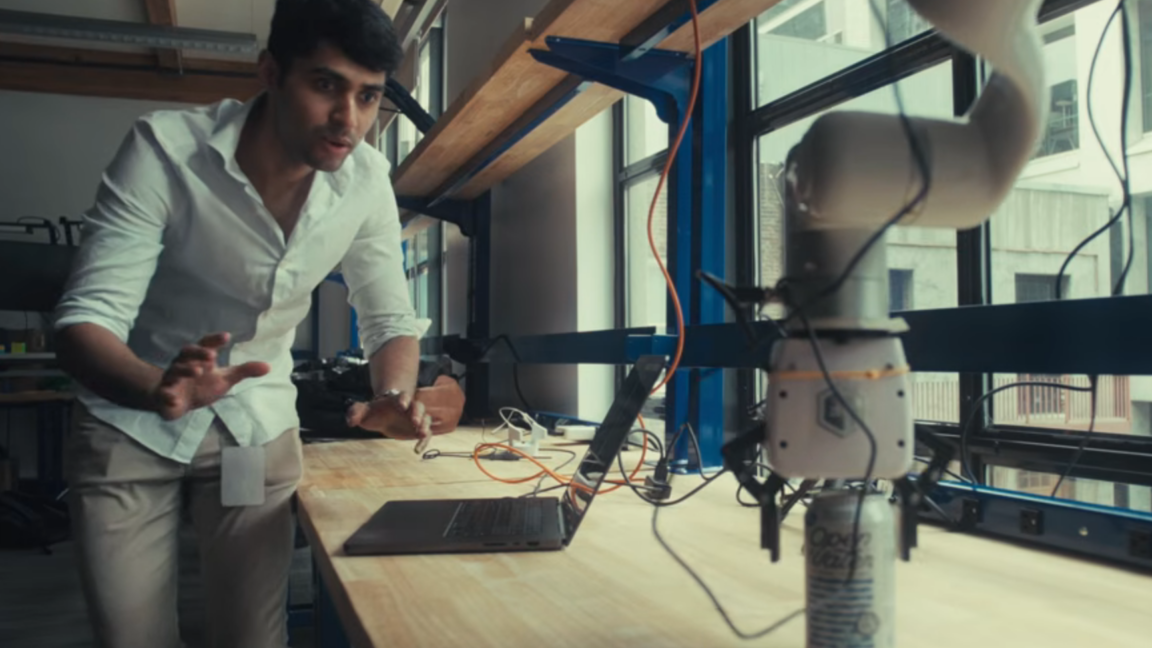
Anthropic has unveiled a new hardware standard designed to enable AI agents to control physical devices more effectively. This standardized driver interface allows devices to communicate with AI systems and with each other, potentially streamlining the integration of AI into various applications. The initiative aims to enhance interoperability among devices, which could lead to more sophisticated AI-driven automation in the physical world.
Sources reviewed
1
Linked below for direct verification.
Official sources
0
Preferred when available.
Review status
Human reviewed
AI-assisted draft, editor-approved publish.
Confidence
High confidence
90/100 from the draft pipeline.
This AI Signal brief is meant to save busy builders time: what changed, why it matters, and where the reporting comes from.
This story appears to rely mostly on secondary or mixed-source reporting, so readers should treat it as a developing summary rather than a final word. If you spot an issue, email [email protected] or read our editorial standards.
Share this story
Why it matters
- ✓Developers can leverage the standardized driver interface to create applications that seamlessly integrate AI with physical devices, reducing development time and complexity.
- ✓Product teams can expect improved interoperability among devices, allowing for more cohesive and efficient automation solutions in industries such as manufacturing, logistics, and smart homes.
- ✓Operators will benefit from enhanced control and monitoring capabilities, as AI agents can more effectively manage and optimize device performance in real-time.
Anthropic Introduces New Hardware Standard for AI Control of Physical Devices
Anthropic has announced a new hardware standard that aims to empower AI agents to control physical devices more effectively. This initiative introduces a standardized driver interface, which facilitates communication between devices and AI systems, as well as among devices themselves. This development could significantly enhance the integration of AI into various applications, leading to more sophisticated automation in the physical world.
What Happened
The new hardware standard from Anthropic is designed to create a unified framework that allows different devices to communicate with AI agents and with each other. By standardizing the driver interface, Anthropic hopes to streamline the process of integrating AI into physical devices, making it easier for developers to create applications that utilize AI for automation and control.
This move comes at a time when the demand for AI-driven solutions in various sectors is rapidly increasing. As industries seek to leverage AI for improved efficiency and productivity, having a standardized method for device communication could be a game changer.
Why It Matters
The introduction of this hardware standard has several implications for developers, builders, operators, and product teams:
- Simplified Development: Developers can utilize the standardized driver interface to create applications that integrate AI with physical devices, reducing the complexity and time required for development. This could lead to faster deployment of AI solutions in various industries.
- Improved Interoperability: Product teams can expect enhanced interoperability among devices, which allows for more cohesive automation solutions. This is particularly relevant in sectors like manufacturing and logistics, where multiple devices must work together efficiently.
- Enhanced Control and Monitoring: Operators will gain better control and monitoring capabilities, as AI agents can manage and optimize device performance in real-time. This could lead to increased operational efficiency and reduced downtime.
Context and Caveats
While the announcement is promising, it is important to consider the broader context of AI and hardware integration. The effectiveness of this new standard will depend on widespread adoption by device manufacturers and developers. If the standard does not gain traction, its potential benefits may not be fully realized.
Additionally, the sourcing for this information is limited, primarily coming from Ars Technica. As such, further details on the implementation and reception of this standard will be crucial for understanding its long-term impact on the industry.
What to Watch Next
As Anthropic rolls out this new hardware standard, it will be important to monitor:
- Adoption Rates: How quickly and widely the standard is adopted by device manufacturers and developers.
- Use Cases: The types of applications that emerge from this standard, particularly in sectors like manufacturing, logistics, and smart home technology.
- Feedback from the Community: Insights from developers and product teams on the usability and effectiveness of the standardized driver interface in real-world applications.
In conclusion, Anthropic's new hardware standard represents a significant step towards enabling AI agents to control the physical world more effectively. By facilitating communication between devices and AI systems, this initiative could pave the way for more advanced automation solutions across various industries.
Sources
Newsletter
Weekly AI signal. No spam.
More in Tools

Vercel Launches Jev, Its Fastest-Adopted AI Model
Vercel has introduced Jev, marking it as the fastest-adopted AI model in the company's history.…
5h ago
Benefit Street Partners Enhances Efficiency with Codex
Benefit Street Partners has implemented OpenAI's Codex to streamline their processes in loan…
11h ago
Stack Overflow for Agents Sees Triple Signups with ChatGPT Plugin
Stack Overflow for Agents has experienced a significant increase in user signups, tripling the…
17h ago

Nvidia Launches RTX Spark N1X Processor in New Laptops
Nvidia has introduced its RTX Spark N1X processor, a powerful Arm-based SoC designed for laptops…
23h ago
Comments
Sign in to join the discussion
Loading comments…