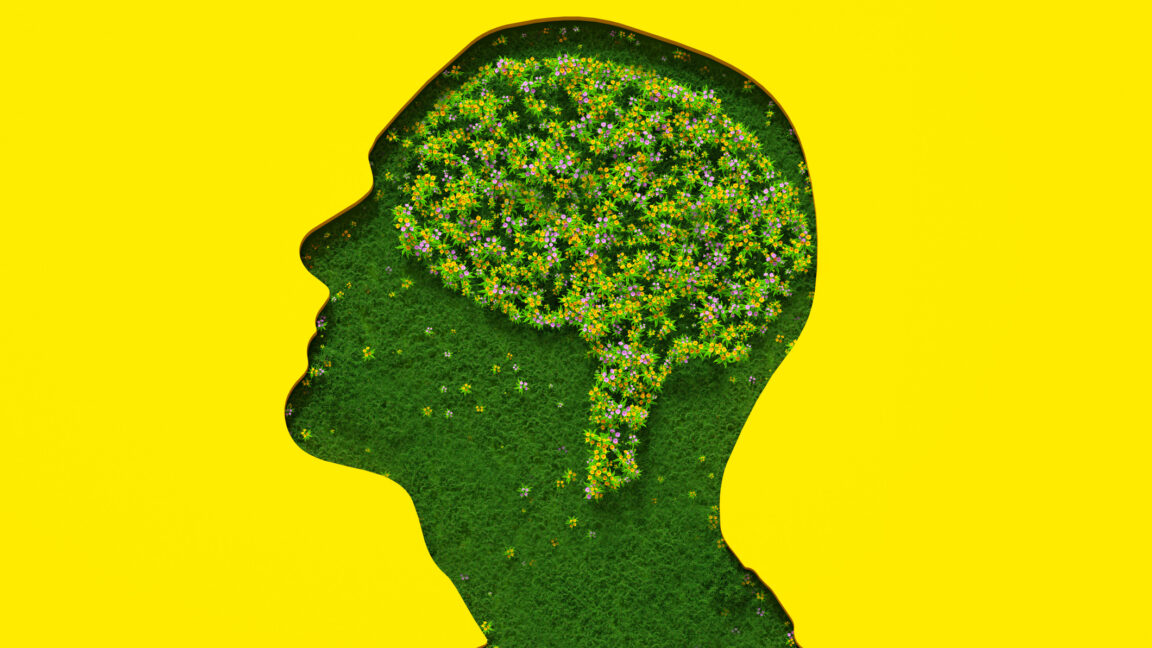
Anthropic's Claude AI Undergoes 20 Hours of Psychiatric Training

Edited by Lyra Voxley
Models & Research · Updated April 10, 2026
Anthropic has trained its Claude AI model with 20 hours of psychiatry sessions, aiming to enhance its psychological stability. The initiative is part of their efforts to create a more reliable AI, with the resulting model, Mythos, being described as the most psychologically settled version to date. This development highlights the growing intersection of AI and mental health methodologies.
Sources reviewed
1
Linked below for direct verification.
Official sources
0
Preferred when available.
Review status
Human reviewed
AI-assisted draft, editor-approved publish.
Confidence
High confidence
85/100 from the draft pipeline.
This AI Signal brief is meant to save busy builders time: what changed, why it matters, and where the reporting comes from.
This story appears to rely mostly on secondary or mixed-source reporting, so readers should treat it as a developing summary rather than a final word. If you spot an issue, email [email protected] or read our editorial standards.
Share this story
Why it matters
- ✓Developers can leverage the insights gained from Mythos to create more emotionally aware AI applications, improving user interactions.
- ✓Product teams may find new opportunities in mental health tech, as AI models like Claude could assist in therapeutic settings or support systems.
- ✓Operators can expect enhanced reliability and stability in AI outputs, reducing the risks associated with deploying AI in sensitive environments.
Anthropic's Claude AI Undergoes 20 Hours of Psychiatric Training
Anthropic has recently announced a significant development in the training of its Claude AI model, which has undergone 20 hours of psychiatric sessions. This initiative aims to enhance the psychological stability of the AI, resulting in the creation of a new model named Mythos. Described as the most psychologically settled model to date, this advancement underscores the increasing integration of mental health principles into AI training methodologies.
What happened
The training process involved exposing Claude to the principles and practices of psychiatry, allowing it to learn from real-world therapeutic techniques. This unique approach is part of Anthropic's broader strategy to improve the reliability and emotional intelligence of their AI systems. The company has emphasized that Mythos represents a significant leap forward in creating AI that can better understand and respond to human emotions, potentially leading to more effective interactions in various applications.
Why it matters
The implications of this development are substantial for several reasons:
- Enhanced Emotional Awareness: Developers can utilize the insights gained from Mythos to create AI applications that are more attuned to human emotions, improving user experiences and interactions.
- Opportunities in Mental Health Tech: Product teams may explore new avenues in mental health technology, as AI models like Claude could be integrated into therapeutic settings, offering support and assistance to mental health professionals.
- Increased Reliability: Operators can expect more stable and reliable outputs from AI systems trained with psychiatric principles, reducing the risks associated with deploying AI in sensitive environments such as healthcare or customer service.
Context and caveats
While the training of Claude with psychiatric principles is a promising step, it is essential to recognize the limitations and challenges that come with integrating AI into mental health. The effectiveness of AI in understanding and responding to complex human emotions is still an evolving field, and there are ethical considerations regarding the use of AI in therapeutic contexts. Furthermore, the sourcing for this initiative is limited, primarily derived from Anthropic's own statements and the Ars Technica article, which may not provide a comprehensive view of the training's outcomes or methodologies.
What to watch next
As the field of AI continues to intersect with mental health, it will be crucial to monitor how models like Mythos are implemented in real-world applications. Observing the feedback from users and mental health professionals will provide insights into the effectiveness of AI in this domain. Additionally, further developments from Anthropic and other companies exploring similar training methodologies will be important to watch, as they could shape the future of AI in mental health and emotional intelligence.
In conclusion, Anthropic's initiative to train Claude AI with psychiatric principles represents a noteworthy advancement in the quest for more emotionally intelligent AI systems. As this technology evolves, it holds the potential to transform interactions between humans and machines, particularly in sensitive areas like mental health.
Sources
- AI on the couch: Anthropic gives Claude 20 hours of psychiatry — Ars Technica AI
Newsletter
Weekly AI signal. No spam.
More in Models

Hugging Face Launches Welcome Beam: A 501B Open Model for Customization and Scalability
Hugging Face has introduced Welcome Beam, a 501 billion parameter open model that allows users to…
3h ago

Elorian Launches AI Model Capable of Reasoning with Images
Elorian has introduced its first AI model, Glimpse, which aims to reason with images rather than…
21h ago

The AI Race Intensifies as Google and Meta Unveil New Models
The competitive landscape of AI development has shifted dramatically as Google and Meta have…
2d ago

Google Releases Gemini 4 Argon Model
Google has officially launched its Gemini 4 Argon model after months of anticipation. The company…
4d ago
Comments
Sign in to join the discussion
Loading comments…