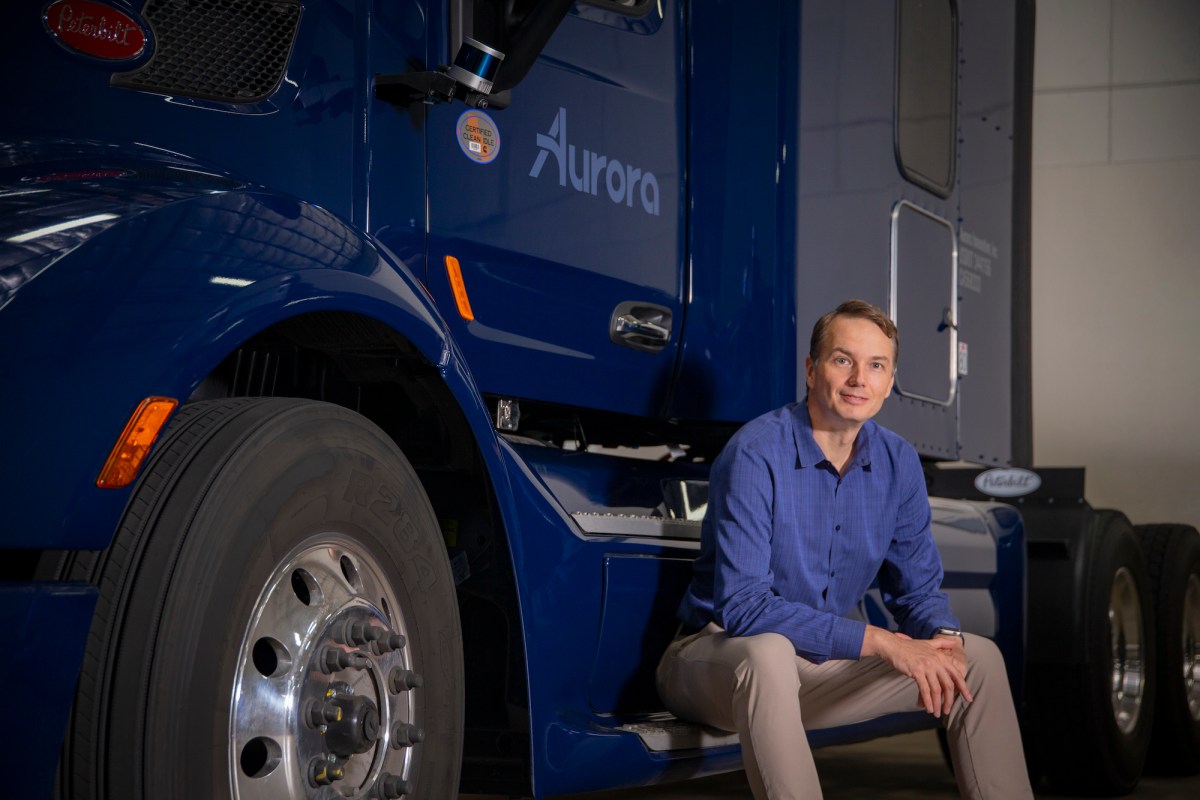
Aurora's Chris Urmson Discusses Scaling Self-Driving Trucks

Edited by Sable Maranth
Regulation & Business · Updated May 7, 2026
Chris Urmson, co-founder and CEO of Aurora, announced that the company has transitioned from testing to commercial operations of self-driving trucks, scaling from a few vehicles to hundreds this year. This shift marks a significant milestone in the self-driving industry, which has been on the brink of commercialization for over a decade. Aurora's operations began last April, focusing on freight transport between Dallas and Houston.
Sources reviewed
1
Linked below for direct verification.
Official sources
0
Preferred when available.
Review status
Human reviewed
AI-assisted draft, editor-approved publish.
Confidence
High confidence
90/100 from the draft pipeline.
This AI Signal brief is meant to save busy builders time: what changed, why it matters, and where the reporting comes from.
This story appears to rely mostly on secondary or mixed-source reporting, so readers should treat it as a developing summary rather than a final word. If you spot an issue, email [email protected] or read our editorial standards.
Share this story
Why it matters
- ✓Developers can leverage Aurora's advancements in self-driving technology to enhance logistics and supply chain solutions.
- ✓Product teams should consider integrating autonomous vehicle capabilities into their offerings, as the technology is now moving towards widespread adoption.
- ✓Operators in the freight industry can expect increased efficiency and reduced labor costs with the scaling of self-driving trucks.
Aurora's Chris Urmson Discusses Scaling Self-Driving Trucks
In a recent episode of TechCrunch's Equity podcast, Chris Urmson, co-founder and CEO of Aurora, shared insights on the company's progress in the self-driving truck sector. Aurora has transitioned from pilot projects to commercial operations, marking a pivotal moment for the autonomous vehicle industry. With operations commencing last April, the company is set to scale its fleet from a handful of trucks to hundreds this year, focusing on freight transport between Dallas and Houston.
What happened
For over a decade, the self-driving industry has been characterized by promises of imminent breakthroughs. However, Aurora has made significant strides in turning those promises into reality. The company has successfully launched commercial driverless operations, which signifies a shift from testing and development to actual deployment in the logistics sector. This transition is particularly noteworthy as it comes after years of development and experimentation, including participation in DARPA challenges.
Why it matters
The scaling of self-driving trucks by Aurora has several implications for various stakeholders in the industry:
- Developers: With Aurora's advancements, developers can explore new opportunities in logistics and supply chain management, potentially integrating autonomous vehicle technology into their applications and services.
- Product Teams: As self-driving technology becomes more viable, product teams should consider how to incorporate these capabilities into their offerings, enhancing their competitive edge in the market.
- Operators: For those in the freight and logistics sectors, the introduction of self-driving trucks can lead to increased operational efficiency and reduced labor costs, fundamentally changing how goods are transported.
Context and caveats
While Aurora's progress is promising, it is essential to recognize that the self-driving industry still faces challenges. Regulatory hurdles, safety concerns, and public acceptance of autonomous vehicles remain significant factors that could influence the pace of adoption. Additionally, the technology's scalability will depend on continued advancements in AI, machine learning, and sensor technologies.
What to watch next
As Aurora expands its fleet and operations, industry stakeholders should monitor the following:
- Regulatory Developments: Changes in regulations regarding autonomous vehicles could impact how quickly companies can deploy self-driving trucks.
- Technological Advancements: Continued improvements in AI and sensor technology will be crucial for enhancing the safety and efficiency of self-driving trucks.
- Market Adoption: Observing how quickly the logistics and freight industries adopt this technology will provide insights into the future landscape of transportation.
In conclusion, Aurora's scaling of self-driving trucks represents a significant milestone in the journey toward autonomous logistics. As the industry evolves, developers, product teams, and operators must stay informed and adapt to the changing landscape.
Sources
Newsletter
Weekly AI signal. No spam.
More in Business

Replit Selects OpenAI as Default Model Provider, Phasing Out Anthropic
Replit has announced that it will replace Anthropic with OpenAI as its default model provider,…
8h ago

Anthropic Reports Shift in Workforce Composition and Meeting Culture
Anthropic has revealed that its workforce has become less junior and is now spending more time in…
8h ago

Replit CEO Envisions Future of Work as 'Self-Driving Companies'
Amjad Masad, CEO of Replit, has articulated a vision for the future of work characterized by…
14h ago

Websites Restrict Access for AI Agents
Several major websites are implementing restrictions that prevent AI agents from performing tasks…
14h ago
Comments
Sign in to join the discussion
Loading comments…