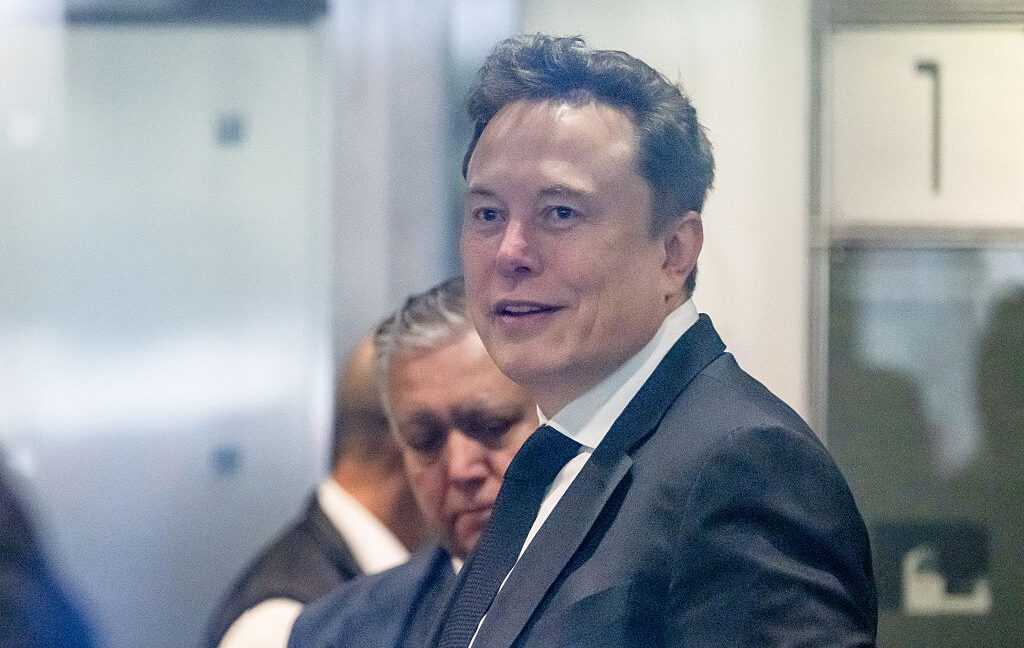
Elon Musk's Testimony Highlights Key Issues in OpenAI Trial

Edited by Sable Maranth
Regulation & Business · Updated May 2, 2026
Elon Musk recently testified for three days as the first witness in his trial against OpenAI, during which he encountered several significant challenges on the stand. His testimony raised questions about the operational practices and ethical considerations surrounding AI development at OpenAI. The trial's outcome could have implications for the future of AI regulation and accountability in the tech industry.
Sources reviewed
1
Linked below for direct verification.
Official sources
0
Preferred when available.
Review status
Human reviewed
AI-assisted draft, editor-approved publish.
Confidence
High confidence
85/100 from the draft pipeline.
This AI Signal brief is meant to save busy builders time: what changed, why it matters, and where the reporting comes from.
This story appears to rely mostly on secondary or mixed-source reporting, so readers should treat it as a developing summary rather than a final word. If you spot an issue, email [email protected] or read our editorial standards.
Share this story
Why it matters
- ✓Developers may face increased scrutiny regarding ethical AI practices as the trial highlights accountability in AI development.
- ✓The trial could lead to new regulatory frameworks that impact how AI companies operate, affecting product development timelines and compliance requirements.
- ✓Builders and product teams might need to adjust their strategies in response to evolving public and legal expectations surrounding AI safety and transparency.
Elon Musk's Testimony Highlights Key Issues in OpenAI Trial
Elon Musk's recent testimony in his trial against OpenAI has drawn significant attention, revealing critical issues regarding the operational practices and ethical considerations of AI development. Over three days, Musk faced various challenges on the stand, which could influence the future landscape of AI regulation and accountability. This trial not only scrutinizes OpenAI's practices but also sets a precedent for how AI companies may be held accountable in the future.
What happened
Musk's testimony marked the beginning of a high-stakes legal battle against OpenAI, where he raised concerns about the organization's approach to AI development. Throughout his time on the stand, Musk encountered several stumbling blocks, including difficulties in articulating specific claims against OpenAI and inconsistencies in his statements. These challenges have sparked discussions about the credibility of his allegations and the implications for AI governance.
Musk's primary contention revolves around the assertion that OpenAI has deviated from its original mission to ensure that artificial intelligence benefits humanity. He argued that the organization has prioritized profit over ethical considerations, which he believes poses risks to society. However, his testimony was met with scrutiny, as he struggled to provide concrete evidence to support his claims.
Why it matters
The implications of Musk's testimony extend beyond the courtroom and into the broader tech industry. Here are several reasons why this trial is significant:
-
Increased Scrutiny on Ethical AI Practices: As Musk's claims highlight potential ethical lapses at OpenAI, developers may find themselves under greater pressure to ensure that their AI systems adhere to ethical guidelines. This could lead to more rigorous internal reviews and adjustments in development processes.
-
Potential for New Regulatory Frameworks: The trial could pave the way for new regulations governing AI development, which may impose stricter compliance requirements on AI companies. This shift could affect timelines for product development and necessitate changes in how teams approach AI projects.
-
Evolving Public and Legal Expectations: Builders and product teams may need to adapt their strategies in response to growing public concern over AI safety and transparency. As the trial unfolds, companies may be compelled to enhance their communication about AI capabilities and limitations to maintain trust with users and stakeholders.
Context and caveats
While Musk's testimony raises important questions about OpenAI's practices, it is essential to consider the context of the trial. The legal battle is not solely about Musk's claims; it also reflects broader tensions within the AI community regarding the balance between innovation and ethical responsibility. Additionally, the sourcing of Musk's claims and the responses from OpenAI will be crucial in determining the trial's outcome.
Moreover, the trial's implications may vary depending on the final ruling, which could either reinforce existing practices or catalyze significant changes in the industry. As such, stakeholders should remain vigilant about the developments in this case and their potential ripple effects across the tech landscape.
What to watch next
As the trial progresses, several key aspects warrant attention:
- Further Testimonies: The testimonies of other witnesses and experts may provide additional insights into the practices at OpenAI and the broader implications for AI governance.
- Legal Precedents: The outcome of this trial could set important legal precedents regarding accountability in AI development, influencing future cases and regulatory approaches.
- Industry Reactions: Observing how other AI companies respond to the trial's developments will be crucial, as it may signal shifts in industry standards and practices.
In conclusion, Elon Musk's testimony at the OpenAI trial underscores significant challenges and considerations for the future of AI development. As the legal proceedings unfold, the implications for developers, builders, and product teams will become increasingly clear, shaping the landscape of AI regulation and ethical practices.
Sources
- Elon Musk's 7 biggest stumbles on the stand at OpenAI trial — Ars Technica AI
Newsletter
Weekly AI signal. No spam.
More in Regulation

Meta's New Terms May Enable Free AI Training on News Sites
Meta has updated its business terms to allow the company to crawl and scrape content from websites…
2h ago

Meta Updates Terms to Address Scraping and AI Training Concerns
Meta has removed specific language from its terms of service that previously raised concerns…
2h ago

Meta Updates Terms to Remove Scraping Language for News Sites
Meta has revised its commercial terms to eliminate language that implied it could scrape content…
8h ago
New Jersey Prosecutor Arrested for Producing AI CSAM
A New Jersey deputy attorney general, known by the Discord username 'thegentlemanpervert', has been…
20h ago
Comments
Sign in to join the discussion
Loading comments…