
Exploring the Accessibility of Coding for Non-Developers

Edited by Orin Codewell
Tools & Coding · Updated May 18, 2026
A recent article from Wired discusses the growing trend of non-developers, referred to as 'normies', engaging in coding activities. The author, alongside an AI named Claude, attempted to create a database for tracking common grievances, illustrating how accessible coding has become. This shift highlights the potential for broader participation in software development beyond traditional programmers.
Sources reviewed
1
Linked below for direct verification.
Official sources
0
Preferred when available.
Review status
Human reviewed
AI-assisted draft, editor-approved publish.
Confidence
High confidence
85/100 from the draft pipeline.
This AI Signal brief is meant to save busy builders time: what changed, why it matters, and where the reporting comes from.
This story appears to rely mostly on secondary or mixed-source reporting, so readers should treat it as a developing summary rather than a final word. If you spot an issue, email [email protected] or read our editorial standards.
Share this story
Why it matters
- ✓The democratization of coding tools allows non-developers to contribute to software projects, potentially increasing innovation and diverse perspectives in tech.
- ✓Product teams can leverage the insights and feedback from a wider audience, leading to more user-centered designs and features.
- ✓Developers may need to adapt their communication and collaboration strategies to accommodate a more varied skill set within their teams.
Exploring the Accessibility of Coding for Non-Developers
The landscape of coding is evolving, with a recent article from Wired highlighting how non-developers, or 'normies', are increasingly able to engage with coding tasks. The author, alongside an AI named Claude, attempted to create a database to track common grievances, showcasing how accessible coding has become for those without formal programming backgrounds. This trend is significant as it suggests a shift in the traditional boundaries of software development.
What happened
In the Wired article titled "I’m a Normie. Can Normies Really Vibe Code?", the author explores the feasibility of non-developers engaging in coding projects. The experiment involved creating a database for tracking petty grievances, illustrating that with the right tools, anyone can participate in coding activities. This experiment reflects a broader trend where coding is becoming more accessible, thanks to advancements in AI and user-friendly programming interfaces.
Why it matters
The implications of this trend are multifaceted:
- Democratization of Coding: The rise of accessible coding tools means that individuals without formal training can contribute to software projects. This could lead to increased innovation as diverse perspectives are brought into tech development.
- User-Centered Design: Product teams can benefit from the insights of a broader audience, leading to designs and features that better meet user needs. Non-developers can provide valuable feedback that might be overlooked by traditional developers.
- Adaptation for Developers: As more non-developers engage with coding, existing developers may need to adjust their communication and collaboration strategies. This could involve simplifying technical jargon or providing more guidance to those who are new to coding.
Context and caveats
While the article presents a compelling case for the accessibility of coding, it is important to note that not all coding tasks are equally simple. The complexity of certain programming languages and frameworks can still pose challenges for non-developers. Additionally, while tools like Claude can assist in coding, they are not a replacement for the critical thinking and problem-solving skills that experienced developers bring to the table. The sourcing from Wired provides a limited perspective, focusing primarily on one individual's experience rather than a comprehensive analysis of the entire coding landscape.
What to watch next
As the trend of non-developers engaging in coding continues to grow, it will be important to monitor:
- The development of more user-friendly coding tools: Innovations in AI and low-code/no-code platforms could further lower the barrier to entry for non-developers.
- The impact on traditional software development roles: As more individuals begin to code, the roles and responsibilities of professional developers may evolve.
- Community and educational resources: The rise of coding bootcamps and online resources aimed at teaching coding to non-developers will likely expand, influencing how coding is perceived and learned.
In conclusion, the Wired article sheds light on an important trend in the tech industry: the increasing accessibility of coding for non-developers. As this shift continues, it will be crucial for developers, product teams, and builders to adapt and embrace the contributions of a more diverse group of coders.
Sources
- I’m a Normie. Can Normies Really Vibe Code? — Wired AI
Newsletter
Weekly AI signal. No spam.
More in Coding

AI Coding Agents Increase Code Output Without Boosting Software Development
A recent study indicates that while AI coding agents can generate more lines of code, this increase…
Oct 10

Schools Embrace Big Tech's Educational Strategies
Schools are increasingly adopting the educational strategies promoted by major tech companies,…
Sep 11
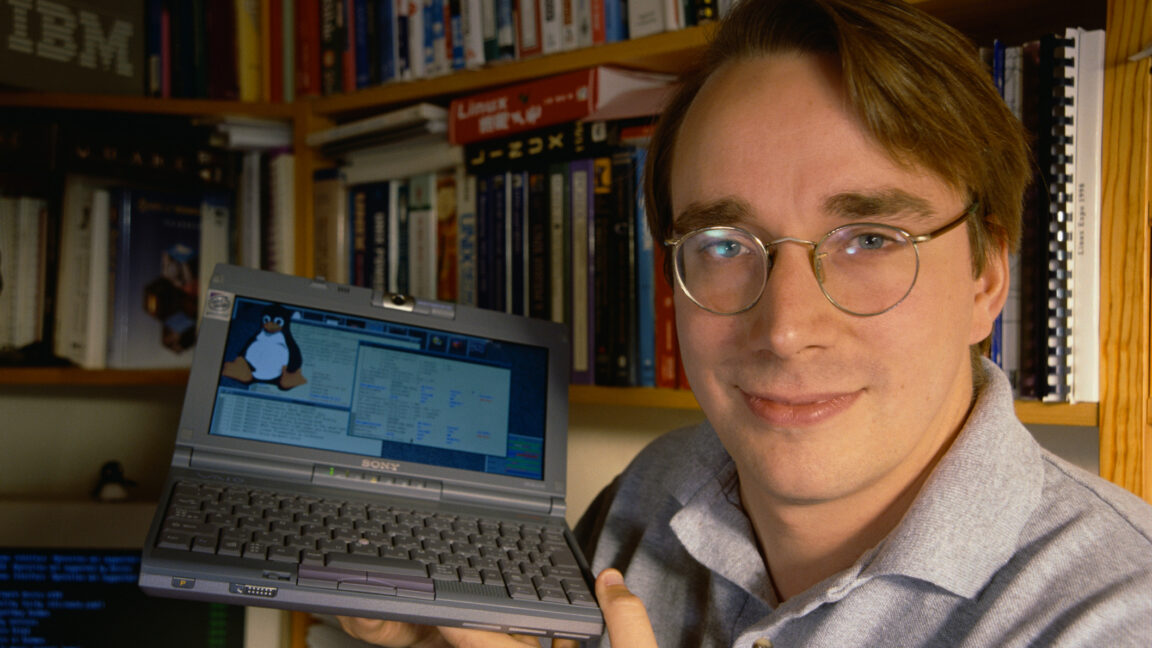
Linus Torvalds Responds to AI Coding Critics: 'Fork It or Walk Away'
Linus Torvalds, the creator of Linux, has publicly dismissed critics advocating for a ban on AI…
Jul 17

Meta Launches Muse Spark 1.1 AI Model for Coding
Meta has introduced its Muse Spark 1.1 AI model, designed to enhance coding capabilities for…
Jul 12
Comments
Sign in to join the discussion
Loading comments…