Google Introduces Webhooks to Enhance Gemini API for Long-Running Jobs

Edited by Orin Codewell
Tools & Coding · Updated May 5, 2026
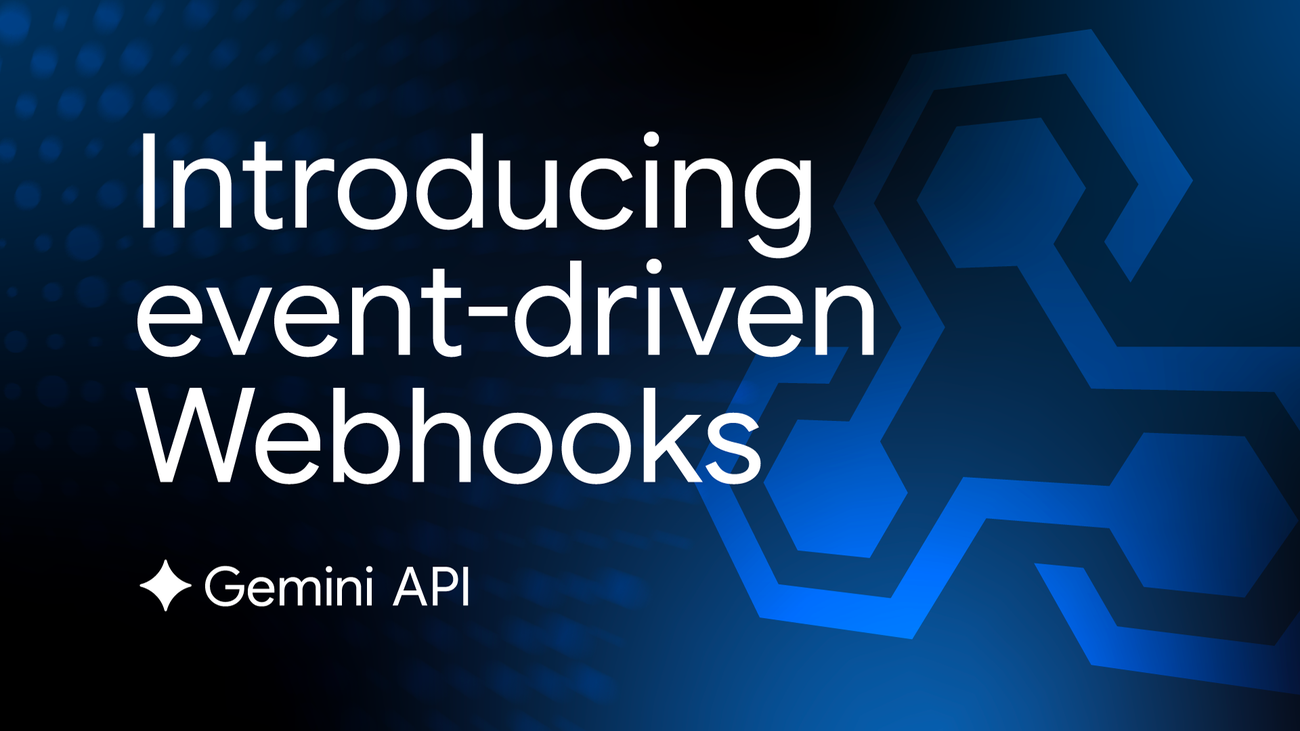
Google has announced the implementation of Event-Driven Webhooks in its Gemini API, aimed at reducing friction and latency for long-running jobs. This new push-based notification system eliminates the need for inefficient polling, allowing developers to receive real-time updates on job statuses. As a result, developers can streamline their workflows and improve application responsiveness.
Sources reviewed
1
Linked below for direct verification.
Official sources
1
Preferred when available.
Review status
Human reviewed
AI-assisted draft, editor-approved publish.
Confidence
High confidence
95/100 from the draft pipeline.
This AI Signal brief is meant to save busy builders time: what changed, why it matters, and where the reporting comes from.
When official material exists, we bias toward it over reactions and reposts. If you spot an issue, email [email protected] or read our editorial standards.
Share this story
Why it matters
- ✓Developers can now receive immediate notifications about job status changes, reducing the need for constant polling and thus saving on resources and bandwidth.
- ✓The implementation of Webhooks allows for more efficient handling of long-running jobs, which can enhance user experience by providing timely updates.
- ✓This change can lead to faster turnaround times for applications that rely on long-running processes, ultimately improving productivity for product teams.
Introduction
Google has recently introduced Event-Driven Webhooks as part of its Gemini API, a significant enhancement aimed at improving the handling of long-running jobs. This new feature allows developers to receive push notifications about job status changes, thereby reducing the inefficiencies associated with traditional polling methods. This development is particularly relevant for developers, builders, and product teams looking to optimize their workflows and enhance application performance.
What happened
The Google AI Blog announced the rollout of Event-Driven Webhooks for the Gemini API, which is designed to facilitate real-time notifications for long-running jobs. Traditionally, developers have relied on polling to check the status of these jobs, a method that can lead to unnecessary delays and resource consumption. With the introduction of Webhooks, developers can now receive updates immediately as events occur, streamlining the entire process.
Why it matters
The introduction of Webhooks in the Gemini API has several concrete implications for developers and product teams:
- Resource Efficiency: By eliminating the need for constant polling, developers can save on server resources and bandwidth, allowing for more efficient use of infrastructure.
- Improved User Experience: Real-time notifications mean that applications can provide users with timely updates on long-running processes, enhancing overall user satisfaction and engagement.
- Faster Development Cycles: With reduced latency in job status updates, developers can iterate more quickly on their applications, leading to faster deployment and improved productivity.
Context and caveats
While the introduction of Event-Driven Webhooks is a positive step forward, it is important to consider the context in which these changes are being made. The Gemini API is still evolving, and developers will need to familiarize themselves with the new webhook integration to fully leverage its capabilities. Additionally, as with any new technology, there may be initial challenges in implementation that teams will need to address.
What to watch next
As Google continues to enhance its Gemini API, developers should keep an eye on future updates and additional features that may be introduced. The effectiveness of the Webhooks in real-world applications will also be an important area to monitor, particularly in terms of performance metrics and user feedback. Furthermore, understanding how this integration interacts with other Google services could provide additional opportunities for optimization and efficiency.
In conclusion, the introduction of Event-Driven Webhooks in the Gemini API marks a significant advancement for developers working with long-running jobs. By embracing this new push-based notification system, teams can enhance their applications' responsiveness and efficiency, ultimately leading to better user experiences.
Sources
Newsletter
Weekly AI signal. No spam.
More in Tools

Vercel Launches Jev, Its Fastest-Adopted AI Model
Vercel has introduced Jev, marking it as the fastest-adopted AI model in the company's history.…
21h ago
Benefit Street Partners Enhances Efficiency with Codex
Benefit Street Partners has implemented OpenAI's Codex to streamline their processes in loan…
1d ago
Stack Overflow for Agents Sees Triple Signups with ChatGPT Plugin
Stack Overflow for Agents has experienced a significant increase in user signups, tripling the…
1d ago

Nvidia Launches RTX Spark N1X Processor in New Laptops
Nvidia has introduced its RTX Spark N1X processor, a powerful Arm-based SoC designed for laptops…
1d ago
Comments
Sign in to join the discussion
Loading comments…