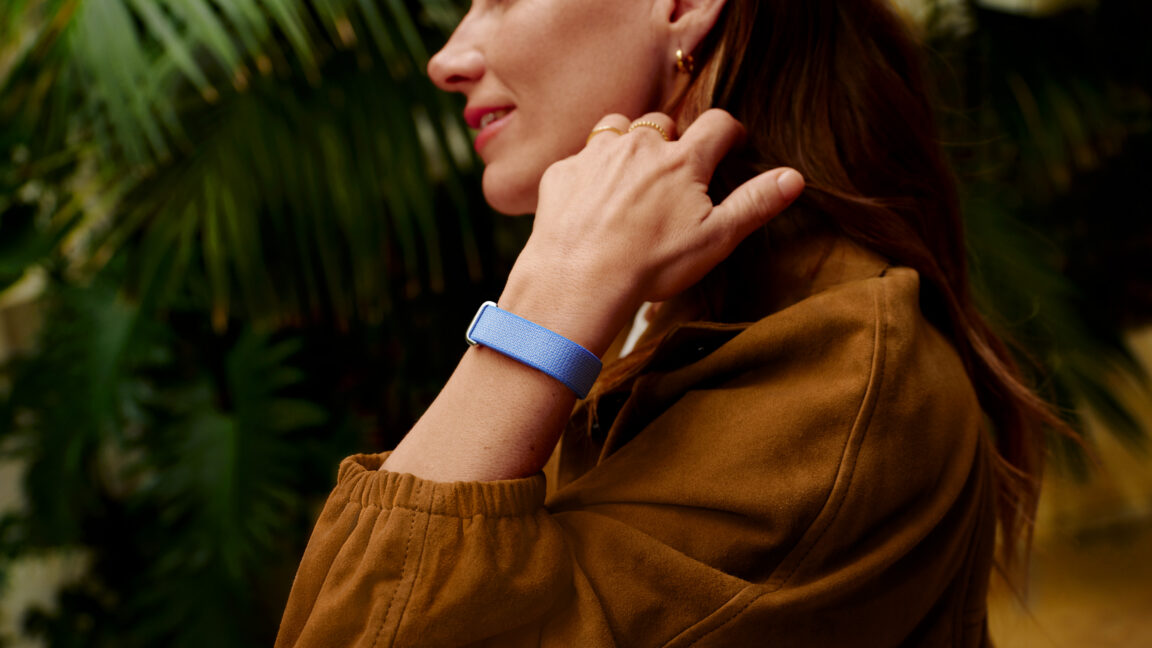
Google Launches Screenless Fitbit Air and New Google Health App

Edited by Sable Maranth
Regulation & Business · Updated May 11, 2026
Google has introduced the screenless Fitbit Air, priced at $100, which is now available for preorder. This new device aims to replace the existing Fitbit lineup and is accompanied by the launch of the Google Health app, which will serve as the primary interface for users to track their health metrics.
Sources reviewed
1
Linked below for direct verification.
Official sources
0
Preferred when available.
Review status
Human reviewed
AI-assisted draft, editor-approved publish.
Confidence
High confidence
90/100 from the draft pipeline.
This AI Signal brief is meant to save busy builders time: what changed, why it matters, and where the reporting comes from.
This story appears to rely mostly on secondary or mixed-source reporting, so readers should treat it as a developing summary rather than a final word. If you spot an issue, email [email protected] or read our editorial standards.
Share this story
Why it matters
- ✓Developers can leverage the Google Health app's API to integrate health data into their applications, enhancing user engagement and functionality.
- ✓Product teams should consider the implications of a screenless device, which may shift user interaction paradigms and require new design strategies for health tracking.
- ✓Operators will need to adapt their services to support the new device and app, ensuring compatibility and seamless user experiences.
Introduction
Google has officially unveiled the Fitbit Air, a new screenless health tracker priced at $100, which is currently available for preorder. This device is part of a strategic shift as Google aims to replace its existing Fitbit lineup with a more streamlined approach to health tracking through the new Google Health app.
What happened
The announcement of the Fitbit Air marks a significant change in Google's approach to health and fitness technology. Unlike traditional fitness trackers that feature screens for real-time data display, the Fitbit Air is designed to be lightweight and unobtrusive, focusing on collecting health metrics rather than displaying them. Users will interact with the device primarily through the Google Health app, which will provide insights and analytics based on the data collected by the Fitbit Air.
Why it matters
The introduction of the Fitbit Air and the Google Health app has several implications for developers, builders, and product teams:
- Integration Opportunities: Developers can utilize the Google Health app's API to integrate health data into their applications. This opens up new avenues for creating personalized health experiences and enhancing user engagement.
- Design Considerations: The screenless design of the Fitbit Air may require product teams to rethink user interaction strategies. Without a screen, users will rely more on the app for insights, necessitating a focus on intuitive app design and user experience.
- Operational Adaptations: Operators will need to ensure that their services are compatible with the new device and app. This includes updating existing infrastructure to support the data flow from the Fitbit Air to the Google Health app, ensuring a seamless user experience.
Context and caveats
This launch comes at a time when health and fitness technology is rapidly evolving, with increasing consumer interest in wearables that provide health insights without the need for constant screen interaction. However, the success of the Fitbit Air will depend on user acceptance of a screenless device and the effectiveness of the Google Health app in delivering valuable health information.
What to watch next
As the Fitbit Air becomes available for preorder, it will be important to monitor user feedback and adoption rates. Additionally, developers should keep an eye on updates to the Google Health app, as new features and integrations could significantly impact how health data is utilized in various applications. The market's response to this new approach could also influence future product development in the health tech space.
In conclusion, Google's launch of the screenless Fitbit Air and the accompanying Google Health app represents a notable shift in health tracking technology. By focusing on data collection and analysis through the app, Google aims to streamline the user experience while providing valuable health insights.
Sources
Newsletter
Weekly AI signal. No spam.
More in Business

Replit Selects OpenAI as Default Model Provider, Phasing Out Anthropic
Replit has announced that it will replace Anthropic with OpenAI as its default model provider,…
Just now

Anthropic Reports Shift in Workforce Composition and Meeting Culture
Anthropic has revealed that its workforce has become less junior and is now spending more time in…
Just now

Replit CEO Envisions Future of Work as 'Self-Driving Companies'
Amjad Masad, CEO of Replit, has articulated a vision for the future of work characterized by…
6h ago

Websites Restrict Access for AI Agents
Several major websites are implementing restrictions that prevent AI agents from performing tasks…
6h ago
Comments
Sign in to join the discussion
Loading comments…