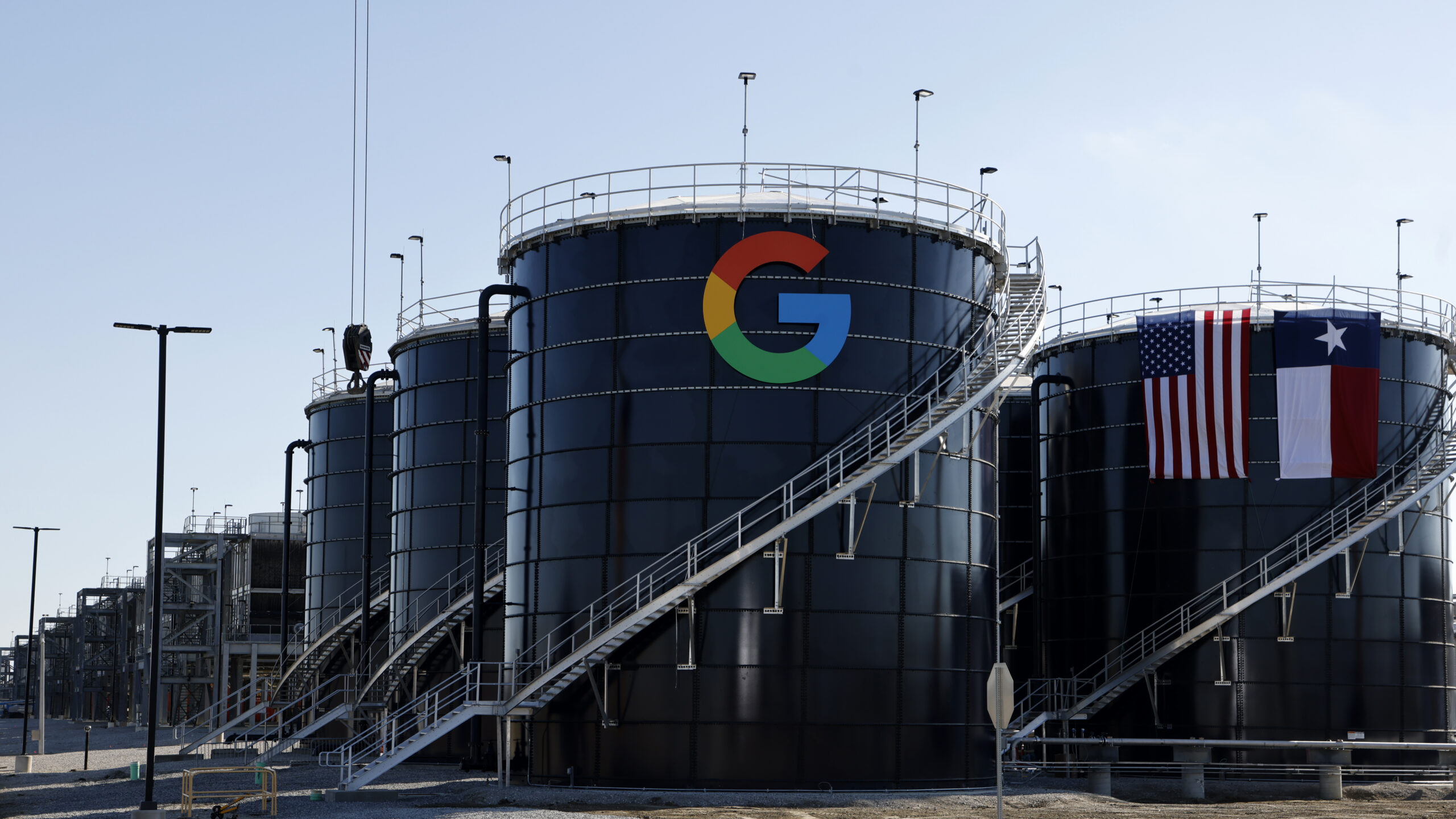
Google’s AI Buildout Led to 37% Increase in Electricity Use in 2025

Edited by Sable Maranth
Regulation & Business · Updated July 2, 2026
In 2025, Google's expansion of its AI capabilities resulted in a significant 37% increase in electricity consumption across its data centers. This surge in energy use raises concerns about the environmental impact of AI technologies, prompting Google to seek a balance between its AI ambitions and clean energy initiatives.
Sources reviewed
1
Linked below for direct verification.
Official sources
0
Preferred when available.
Review status
Human reviewed
AI-assisted draft, editor-approved publish.
Confidence
High confidence
85/100 from the draft pipeline.
This AI Signal brief is meant to save busy builders time: what changed, why it matters, and where the reporting comes from.
This story appears to rely mostly on secondary or mixed-source reporting, so readers should treat it as a developing summary rather than a final word. If you spot an issue, email [email protected] or read our editorial standards.
Share this story
Why it matters
- ✓Developers and product teams must consider the increased energy demands of AI applications, which may affect operational costs and sustainability goals.
- ✓Builders of AI solutions should explore energy-efficient algorithms and architectures to mitigate the environmental impact associated with higher electricity consumption.
- ✓Operators of data centers may need to adapt their infrastructure and energy sourcing strategies to accommodate the growing power requirements driven by AI workloads.
Opening
In 2025, Google reported a notable 37% increase in electricity consumption attributed to its AI buildout. This rise in energy use not only highlights the growing demands of AI technologies but also raises important questions about the sustainability of such advancements. As Google strives to balance its AI initiatives with clean energy efforts, the implications for developers, builders, and operators in the tech industry are significant.
What happened
According to a report from Ars Technica, Google's aggressive expansion in artificial intelligence capabilities has led to a substantial increase in the energy required to power its data centers. This increase is part of a broader trend where the computational demands of AI applications are driving up electricity consumption across the tech industry. Google is now faced with the challenge of managing this increased energy use while continuing to pursue its AI goals.
Why it matters
The rise in electricity consumption due to AI buildouts has several concrete implications:
- Operational Costs: Developers and product teams need to factor in the increased energy demands of AI applications, which could lead to higher operational costs. This may necessitate a reevaluation of budgeting for cloud services and infrastructure.
- Sustainability Initiatives: Builders of AI solutions should prioritize energy-efficient algorithms and architectures. As consumers and regulators increasingly focus on sustainability, adopting greener practices could become a competitive advantage.
- Infrastructure Adaptations: Operators of data centers must consider how to adapt their infrastructure and energy sourcing strategies to meet the growing power requirements. This might include investments in renewable energy sources or energy-efficient technologies to mitigate the environmental impact.
Context and caveats
While Google's commitment to clean energy efforts is commendable, the stark increase in electricity use raises concerns about the overall sustainability of AI technologies. The reliance on traditional energy sources could undermine the benefits of AI if not managed properly. Moreover, the sourcing of this information is limited to a single report from Ars Technica, which may not capture the full scope of Google's energy strategies or the broader industry context.
What to watch next
As Google continues to expand its AI capabilities, it will be important to monitor how the company addresses the challenges of increased electricity consumption. Key areas to watch include:
- Energy Efficiency Innovations: Look for advancements in energy-efficient computing and AI algorithms that could help reduce the overall energy footprint of AI applications.
- Regulatory Responses: Keep an eye on potential regulatory changes aimed at managing the environmental impact of large tech companies, which could influence how Google and others operate their data centers.
- Sustainability Commitments: Observe how Google and other tech giants enhance their sustainability commitments in response to growing public and governmental scrutiny regarding energy use and environmental impact.
In conclusion, the 37% increase in electricity use due to Google's AI buildout underscores the urgent need for the tech industry to address the environmental implications of AI technologies. As developers, builders, and operators navigate this evolving landscape, prioritizing energy efficiency and sustainability will be crucial for long-term success.
Sources
- Google’s AI buildout drove 37% increase in electricity use in 2025 — Ars Technica AI
Newsletter
Weekly AI signal. No spam.
More in Business

Replit Selects OpenAI as Default Model Provider, Phasing Out Anthropic
Replit has announced that it will replace Anthropic with OpenAI as its default model provider,…
1h ago

Anthropic Reports Shift in Workforce Composition and Meeting Culture
Anthropic has revealed that its workforce has become less junior and is now spending more time in…
1h ago

Replit CEO Envisions Future of Work as 'Self-Driving Companies'
Amjad Masad, CEO of Replit, has articulated a vision for the future of work characterized by…
7h ago

Websites Restrict Access for AI Agents
Several major websites are implementing restrictions that prevent AI agents from performing tasks…
7h ago
Comments
Sign in to join the discussion
Loading comments…