Hyundai Workers Strike Over Concerns About Humanoid Robots

Edited by Sable Maranth
Regulation & Business · Updated July 17, 2026
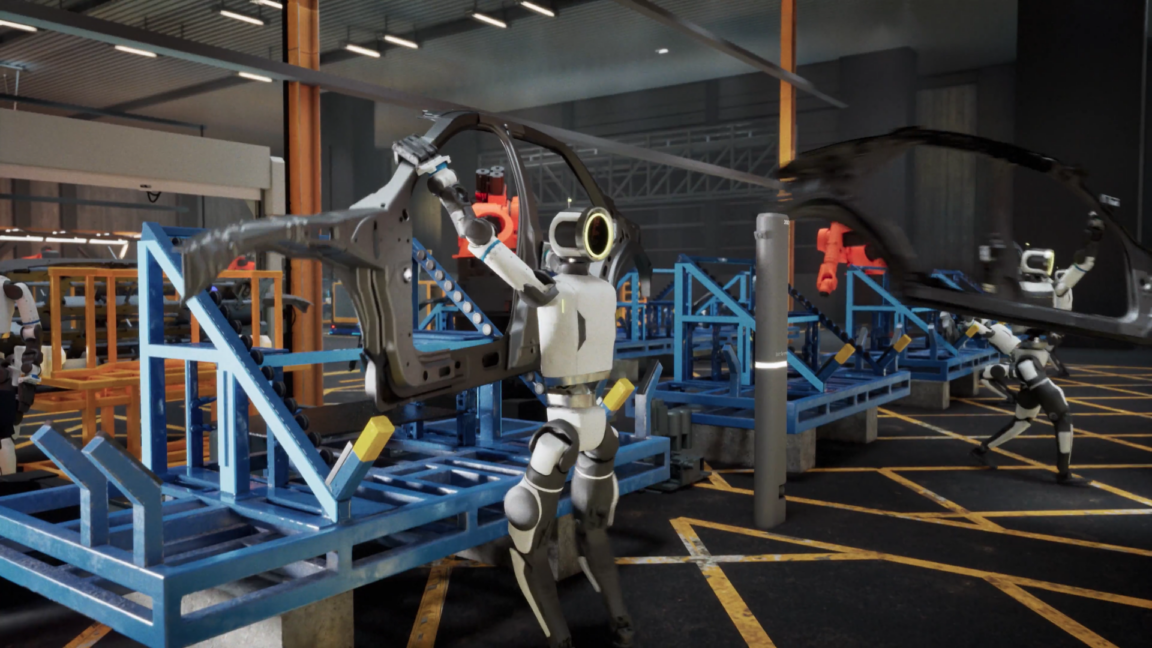
Workers at a Hyundai auto factory have initiated a strike in response to the company's plans to deploy 25,000 Atlas humanoid robots, starting in 2028. The strike reflects growing fears among employees regarding job security and the potential impact of automation on their roles. This situation highlights the tension between technological advancement and workforce stability.
Sources reviewed
1
Linked below for direct verification.
Official sources
0
Preferred when available.
Review status
Human reviewed
AI-assisted draft, editor-approved publish.
Confidence
High confidence
90/100 from the draft pipeline.
This AI Signal brief is meant to save busy builders time: what changed, why it matters, and where the reporting comes from.
This story appears to rely mostly on secondary or mixed-source reporting, so readers should treat it as a developing summary rather than a final word. If you spot an issue, email [email protected] or read our editorial standards.
Share this story
Why it matters
- ✓Developers and builders need to consider the social implications of deploying humanoid robots, as worker resistance can lead to operational disruptions.
- ✓Product teams should prioritize transparency and communication with employees about automation plans to mitigate fears and foster acceptance.
- ✓Operators must prepare for potential strikes or labor disputes as automation becomes more prevalent, which can impact production timelines and costs.
Hyundai Workers Strike Over Concerns About Humanoid Robots
Workers at a Hyundai auto factory have initiated a strike in response to the company's plans to deploy 25,000 Atlas humanoid robots, starting in 2028. This strike reflects growing fears among employees regarding job security and the potential impact of automation on their roles. The situation highlights the tension between technological advancement and workforce stability, raising important questions for developers, builders, operators, and product teams involved in automation.
What Happened
According to a report from Ars Technica, Hyundai's announcement to introduce a significant number of Atlas robots in its U.S. factories has sparked concern among its human workforce. The workers are striking to express their fears that the introduction of these humanoid robots could lead to job losses and a devaluation of their roles within the company. The strike underscores the anxiety surrounding automation and its implications for labor in the automotive industry.
Why It Matters
The strike at Hyundai's factory is a critical event that signals the growing unease among workers regarding the rapid advancement of automation technologies. Here are some specific implications for those in the tech and manufacturing sectors:
- Social Implications of Automation: Developers and builders need to consider the social implications of deploying humanoid robots. Worker resistance can lead to operational disruptions, affecting project timelines and costs.
- Communication and Transparency: Product teams should prioritize transparency and communication with employees about automation plans. This can help mitigate fears and foster acceptance, ensuring smoother transitions when new technologies are introduced.
- Preparation for Labor Disputes: Operators must prepare for potential strikes or labor disputes as automation becomes more prevalent. Understanding the workforce's concerns can help in developing strategies to address these issues proactively, minimizing the impact on production.
Context and Caveats
The concerns raised by Hyundai workers are not unique to this situation. As automation technologies continue to evolve, similar fears are likely to arise in various industries. While the deployment of robots can lead to increased efficiency and productivity, it also raises significant questions about job security and the future of work. The sourcing for this news is limited to the report from Ars Technica, which provides a snapshot of the situation but does not delve into broader industry trends or the company's response to the strike.
What to Watch Next
As the situation unfolds, it will be important to monitor how Hyundai responds to the strike and whether it engages in dialogue with its workforce regarding the introduction of humanoid robots. Additionally, observing other companies in the automotive sector and their approaches to automation may provide insights into industry-wide trends. Stakeholders should also pay attention to any potential regulatory changes that could arise in response to labor concerns surrounding automation.
In conclusion, the strike at Hyundai serves as a reminder of the complex relationship between technological innovation and workforce dynamics. As companies continue to explore the integration of humanoid robots, addressing employee concerns will be crucial for ensuring a harmonious transition into an automated future.
Sources
Newsletter
Weekly AI signal. No spam.
More in Business

Replit Selects OpenAI as Default Model Provider, Phasing Out Anthropic
Replit has announced that it will replace Anthropic with OpenAI as its default model provider,…
9h ago

Anthropic Reports Shift in Workforce Composition and Meeting Culture
Anthropic has revealed that its workforce has become less junior and is now spending more time in…
9h ago

Replit CEO Envisions Future of Work as 'Self-Driving Companies'
Amjad Masad, CEO of Replit, has articulated a vision for the future of work characterized by…
15h ago

Websites Restrict Access for AI Agents
Several major websites are implementing restrictions that prevent AI agents from performing tasks…
15h ago
Comments
Sign in to join the discussion
Loading comments…