Insights from a $4,000 Investment in a Robot Dog from China

Edited by Sable Maranth
Regulation & Business · Updated September 12, 2026
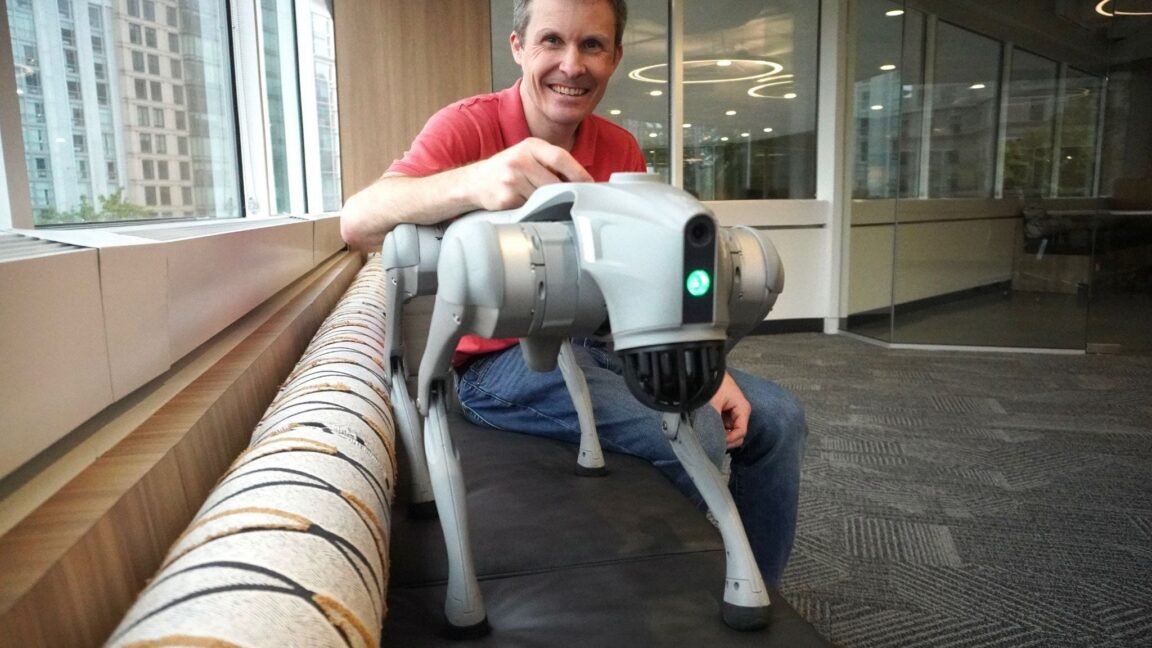
A recent article from Ars Technica details a firsthand experience of purchasing a robot dog from Unitree, a prominent robotics company in China. The author explores the capabilities and limitations of the robot, highlighting its potential impact on the robotics market and consumer expectations. This purchase raises questions about the future of robotic companions and their integration into everyday life.
Sources reviewed
1
Linked below for direct verification.
Official sources
0
Preferred when available.
Review status
Human reviewed
AI-assisted draft, editor-approved publish.
Confidence
High confidence
85/100 from the draft pipeline.
This AI Signal brief is meant to save busy builders time: what changed, why it matters, and where the reporting comes from.
This story appears to rely mostly on secondary or mixed-source reporting, so readers should treat it as a developing summary rather than a final word. If you spot an issue, email [email protected] or read our editorial standards.
Share this story
Why it matters
- ✓Developers can gain insights into consumer expectations for robotic companions, which may inform future product design and feature prioritization.
- ✓Builders in the robotics field can learn from the practical challenges and user experiences highlighted in the article, potentially guiding improvements in usability and functionality.
- ✓Product teams may find valuable data on pricing strategies and market positioning, especially as competition in the robotics sector intensifies.
Introduction
A recent article from Ars Technica titled "I spent $4,000 on a robot dog from China" provides an in-depth look at the experience of purchasing and using a robot dog from Unitree, a leading robotics company. This exploration not only highlights the capabilities and limitations of the robot but also sheds light on the evolving landscape of robotics and consumer technology. As robotics become more integrated into daily life, understanding user experiences and expectations is crucial for developers and product teams.
What happened
The author of the Ars Technica article details their experience of spending $4,000 on a robot dog from Unitree, which is noted as one of the most significant robotics companies globally. The article outlines the robot's features, including its ability to navigate various terrains, respond to commands, and perform tricks. However, it also addresses the limitations of the robot, such as battery life and the need for a stable internet connection for optimal performance.
The author emphasizes that while the robot dog is an impressive piece of technology, it is not without its challenges. For instance, the robot's performance can be inconsistent, and it requires a certain level of technical knowledge to operate effectively. This firsthand account provides valuable insights into the current state of consumer robotics and the expectations that come with such a significant investment.
Why it matters
The implications of this experience extend beyond just the author's personal journey. Here are several reasons why this matters for developers, builders, and product teams:
- Consumer Expectations: Developers can glean insights into what consumers expect from robotic companions. Understanding these expectations can help shape future product designs, ensuring they align with user needs and preferences.
- Usability Challenges: Builders in the robotics field can learn from the practical challenges faced by the author, such as battery life and operational complexity. Addressing these issues can lead to more user-friendly products that appeal to a broader audience.
- Market Positioning: Product teams can analyze the pricing strategy of the Unitree robot dog and consider how it fits within the competitive landscape of robotics. This understanding can inform their own pricing and marketing strategies as they develop similar products.
Context and caveats
While the article provides a detailed account of the author's experience, it is essential to recognize that this is a singular perspective. The performance of the robot dog may vary among users based on individual technical proficiency and specific use cases. Additionally, the article does not delve deeply into the broader market trends or the competitive landscape, which could provide a more comprehensive understanding of the implications for the robotics industry.
What to watch next
As the field of robotics continues to evolve, several trends and developments are worth monitoring:
- Advancements in Robotics Technology: Keep an eye on innovations in battery technology and AI that could enhance the performance and usability of robotic companions.
- Consumer Adoption Rates: Tracking how consumers respond to products like the Unitree robot dog will provide insights into market demand and potential growth areas for robotics.
- Regulatory Developments: As robotics become more prevalent in everyday life, regulatory frameworks may evolve to address safety, privacy, and ethical considerations surrounding their use.
In conclusion, the experience of purchasing a robot dog from Unitree offers valuable lessons for developers, builders, and product teams in the robotics sector. By understanding consumer expectations and the practical challenges of operating such technology, stakeholders can better position themselves in a rapidly changing market.
Sources
- I spent $4,000 on a robot dog from China — Ars Technica AI
Newsletter
Weekly AI signal. No spam.
More in Business

Meta AI Director Rohit Patel Leaves to Launch Startup Ndoc
Rohit Patel, the director of AI at Meta, is leaving the company after eight years to focus on his…
2h ago

Publishers Target AI Agents as New Audience for Tailored Content
As AI agents become more prevalent, some media publishers are shifting their focus to create…
8h ago

Nvidia Invests in Indian Startup Simplismart to Optimize AI Model Efficiency
Nvidia has announced its backing of Indian startup Simplismart, which focuses on enabling companies…
8h ago

Anthropic's IPO Prospectus Lacks Key Financial Information
Anthropic's S-1 filing for its IPO is extensive but notably omits several crucial financial…
14h ago
Comments
Sign in to join the discussion
Loading comments…