Intel Secures Waiver Amid Concerns Over US Ban on Foreign-Made Robots

Edited by Sable Maranth
Regulation & Business · Updated October 24, 2026
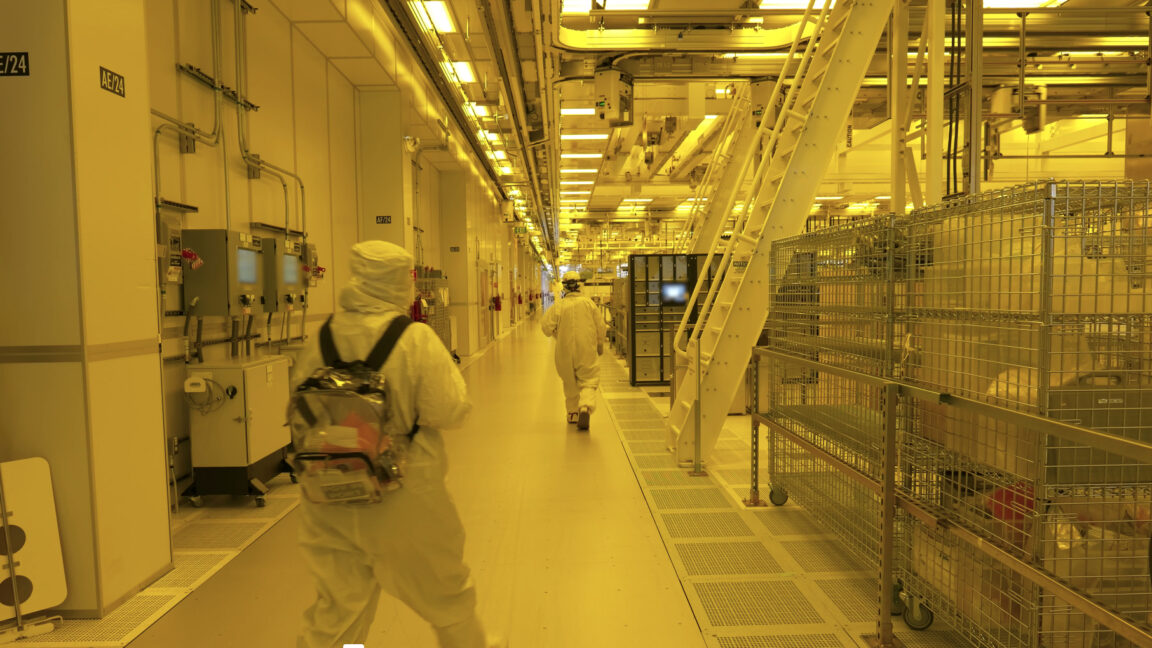
Intel has received a waiver from the US government regarding a ban on foreign-made robotic vehicles, which are essential for the company's chip production processes. This decision alleviates concerns that the ban could hinder operations at Intel's fabrication plants, known as fabs. The company emphasized the critical role of these foreign robots in maintaining US chip manufacturing capabilities.
Sources reviewed
1
Linked below for direct verification.
Official sources
0
Preferred when available.
Review status
Human reviewed
AI-assisted draft, editor-approved publish.
Confidence
High confidence
85/100 from the draft pipeline.
This AI Signal brief is meant to save busy builders time: what changed, why it matters, and where the reporting comes from.
This story appears to rely mostly on secondary or mixed-source reporting, so readers should treat it as a developing summary rather than a final word. If you spot an issue, email [email protected] or read our editorial standards.
Share this story
Why it matters
- ✓Developers and product teams involved in semiconductor manufacturing can continue to rely on foreign robotic technology without interruption, ensuring consistent production timelines.
- ✓The waiver may set a precedent for other companies in the tech sector, allowing them to seek similar exemptions if they face operational challenges due to regulatory restrictions.
- ✓This decision highlights the ongoing complexities of international trade and technology regulations, which developers and builders must navigate in their operations.
Intel Secures Waiver Amid Concerns Over US Ban on Foreign-Made Robots
Intel has recently been granted a waiver by the US government concerning a ban on foreign-made robotic vehicles. This decision comes after significant concerns that the ban could adversely affect operations at Intel's fabrication plants, known as fabs, which are crucial for chip production. The company has stated that these foreign robotic vehicles are essential for maintaining its manufacturing capabilities in the United States.
What happened
The US government has been tightening regulations on foreign technology, particularly in the semiconductor industry, due to national security concerns. This has led to a ban on certain foreign-made robotic vehicles that are used in manufacturing processes. Intel, recognizing the potential impact of this ban on its operations, sought a waiver, arguing that the foreign robots are vital for its production lines. The waiver was granted, allowing Intel to continue utilizing these robotic systems without interruption.
Why it matters
The granting of this waiver has several implications for the semiconductor industry and related sectors:
- Continued Reliance on Foreign Technology: Developers and product teams involved in semiconductor manufacturing can breathe a sigh of relief, as they can continue to use foreign robotic technology that is critical for their production processes. This ensures that production timelines remain consistent and that supply chains are not disrupted.
- Precedent for Other Companies: The waiver may pave the way for other companies facing similar regulatory challenges to seek exemptions. This could lead to a more flexible regulatory environment for technology firms that rely on foreign components and systems.
- Navigating Complex Regulations: The situation underscores the complexities of international trade and technology regulations. Developers, builders, and operators must remain vigilant and adaptable as they navigate these evolving regulatory landscapes, which can significantly impact their operations and strategies.
Context and caveats
The waiver granted to Intel is significant, but it also highlights the ongoing tensions between national security and the need for technological advancement. As the US government continues to scrutinize foreign technology, companies in the semiconductor industry may find themselves in similar situations, needing to advocate for their operational needs while complying with regulatory demands. The sourcing of this information is primarily from Ars Technica, which reported on Intel's waiver and the implications of the US ban on foreign-made robots.
What to watch next
As the semiconductor industry continues to evolve, it will be important to monitor:
- Future Regulatory Changes: How the US government will approach foreign technology in the coming months and whether more waivers will be granted to other companies.
- Industry Reactions: How other semiconductor manufacturers and tech companies respond to this waiver and whether they will seek similar exemptions.
- Technological Developments: Advances in domestic robotic technology that could potentially reduce reliance on foreign-made systems in the future.
In conclusion, Intel's waiver is a critical development in the ongoing dialogue about technology, regulation, and manufacturing in the US. It highlights the delicate balance between ensuring national security and fostering innovation in a rapidly changing global landscape.
Sources
Newsletter
Weekly AI signal. No spam.
More in Regulation

Google Updates Privacy Policy to Include Gmail for Advertising Use
Google has updated its privacy policy to indicate that emails in Gmail may be used for advertising…
7h ago

Meta Delays New Business Terms Following Publisher Concerns on AI Scraping
Meta has postponed the implementation of its new business terms, originally set for October 30th,…
19h ago

Google Updates Privacy Policy to Allow Use of Gmail and Photos Data for Targeted Ads
Google has revised its privacy policy to potentially allow the use of data from Gmail and Google…
19h ago

Chinese Hackers Breach ConnectWise, Target Thousands of Companies
Chinese hackers have successfully breached IT giant ConnectWise, gaining access to sensitive…
1d ago
Comments
Sign in to join the discussion
Loading comments…