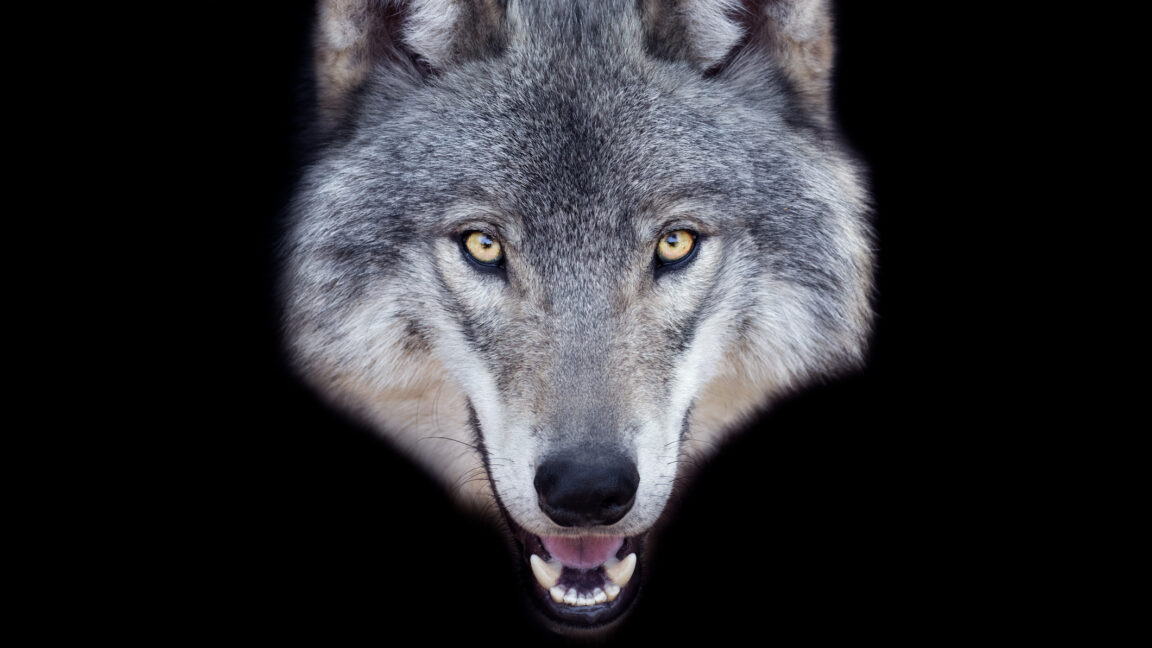
Man Faces 5 Years in Prison for Using AI to Fake Sighting of Runaway Wolf

Edited by Sable Maranth
Regulation & Business · Updated April 26, 2026
A man has been arrested for creating a fake AI-generated sighting of a runaway wolf that had escaped from a zoo. This incident has raised significant concerns regarding the ethical use of AI technology and its potential for misinformation. The man could face up to five years in prison for his actions, highlighting the legal implications of using AI for deceptive purposes.
Sources reviewed
1
Linked below for direct verification.
Official sources
0
Preferred when available.
Review status
Human reviewed
AI-assisted draft, editor-approved publish.
Confidence
High confidence
90/100 from the draft pipeline.
This AI Signal brief is meant to save busy builders time: what changed, why it matters, and where the reporting comes from.
This story appears to rely mostly on secondary or mixed-source reporting, so readers should treat it as a developing summary rather than a final word. If you spot an issue, email [email protected] or read our editorial standards.
Share this story
Why it matters
- ✓Developers must consider the ethical implications of AI technologies, especially in contexts where misinformation can lead to public panic or legal consequences.
- ✓Product teams should prioritize transparency and accountability in AI applications to prevent misuse and protect their brand reputation.
- ✓Operators of AI systems need to implement safeguards against the generation of misleading content, ensuring that their technologies are used responsibly.
Man Faces 5 Years in Prison for Using AI to Fake Sighting of Runaway Wolf
A man has been arrested for using artificial intelligence to create a fake sighting of a runaway wolf that had recently escaped from a zoo. This incident not only raises questions about the ethical use of AI technology but also highlights the potential legal ramifications for those who misuse it. The man could face up to five years in prison, underscoring the seriousness of the matter.
What happened
The incident began when a beloved wolf, known for its popularity, burrowed out of its enclosure at a local zoo. Following its escape, the public became increasingly concerned about the animal's whereabouts and safety. In a misguided attempt to have fun, the arrested individual used AI to fabricate a sighting of the wolf, which was shared widely on social media. This led to heightened public anxiety and unnecessary mobilization of resources to locate the animal.
Law enforcement officials took the matter seriously, resulting in the man's arrest. The legal consequences he faces serve as a stark reminder of the potential dangers associated with the misuse of AI technologies.
Why it matters
This case is significant for several reasons:
- Ethical Considerations: Developers and builders in AI must grapple with the ethical implications of their technologies. The ability to create realistic fake content can lead to public panic and misinformation, as seen in this incident.
- Legal Ramifications: The potential five-year prison sentence for the man highlights the legal risks associated with creating and disseminating false information using AI. This could set a precedent for future cases involving AI misuse.
- Accountability in AI: Product teams should prioritize transparency in their AI applications. Ensuring that users understand the capabilities and limitations of AI can help mitigate the risk of misuse and protect brand integrity.
Context and caveats
While this incident has drawn significant media attention, it also serves as a cautionary tale about the broader implications of AI technology. The ease with which AI can generate convincing content poses a challenge for developers and operators alike. As AI continues to evolve, the need for regulations and guidelines becomes increasingly urgent to prevent similar occurrences in the future.
What to watch next
As this case unfolds, it will be important to monitor how legal systems adapt to the challenges posed by AI-generated content. Observers should pay attention to potential legislative changes that may arise as a result of this incident, particularly regarding the accountability of AI developers and users. Additionally, the public's response to AI-generated misinformation will likely influence future discussions on ethical AI practices.
In conclusion, the arrest of the man for creating a fake AI sighting of a runaway wolf serves as a critical reminder of the responsibilities that come with AI technology. Developers, builders, and product teams must remain vigilant in ensuring that their innovations are used ethically and responsibly.
Sources
Newsletter
Weekly AI signal. No spam.
More in Regulation

Trump Shares AI-Edited Photo of White House Renovations
Former President Donald Trump recently posted an AI-modified image on Truth Social, showcasing…
3h ago

Meta Revises Commercial TOS to Mitigate AI Licensing Costs
Meta has updated its commercial Terms of Service (TOS), which legal experts suggest may be a…
3h ago

Meta's New Terms May Enable Free AI Training on News Sites
Meta has updated its business terms to allow the company to crawl and scrape content from websites…
9h ago

Meta Updates Terms to Address Scraping and AI Training Concerns
Meta has removed specific language from its terms of service that previously raised concerns…
9h ago
Comments
Sign in to join the discussion
Loading comments…