Meta Revises 2030 Net-Zero Emissions Goal Amid Rising AI Data Center Emissions
Meta is reconsidering its goal of achieving net-zero emissions by 2030 due to a significant increase in greenhouse gas emissions linked to its AI data centers. The company's emissions rose from 15.6 million metric tonnes in 2024 to over 21.7 million metric tonnes in 2025, marking a nearly 40% increase. This shift reflects the challenges of balancing rapid AI infrastructure growth with sustainability commitments, as other tech giants maintain their original goals despite similar pressures.

Key takeaways
30-second read- 1Developers and product teams may need to adapt to changing sustainability standards as Meta recalibrates its goals, potentially affecting project timelines and resource allocation.
- 2Builders of AI infrastructure should consider the implications of increased emissions on regulatory scrutiny and public perception, which could influence funding and support for future projects.
- 3Operators of data centers might face heightened pressure to implement more sustainable practices and technologies, as Meta's reconsideration signals a broader industry trend.
Confirmed
No official source linked yet
Reported
Secondary reporting: Ars Technica AI
Verify yourself
Eligibility, local prices and dates for your car, state or utility
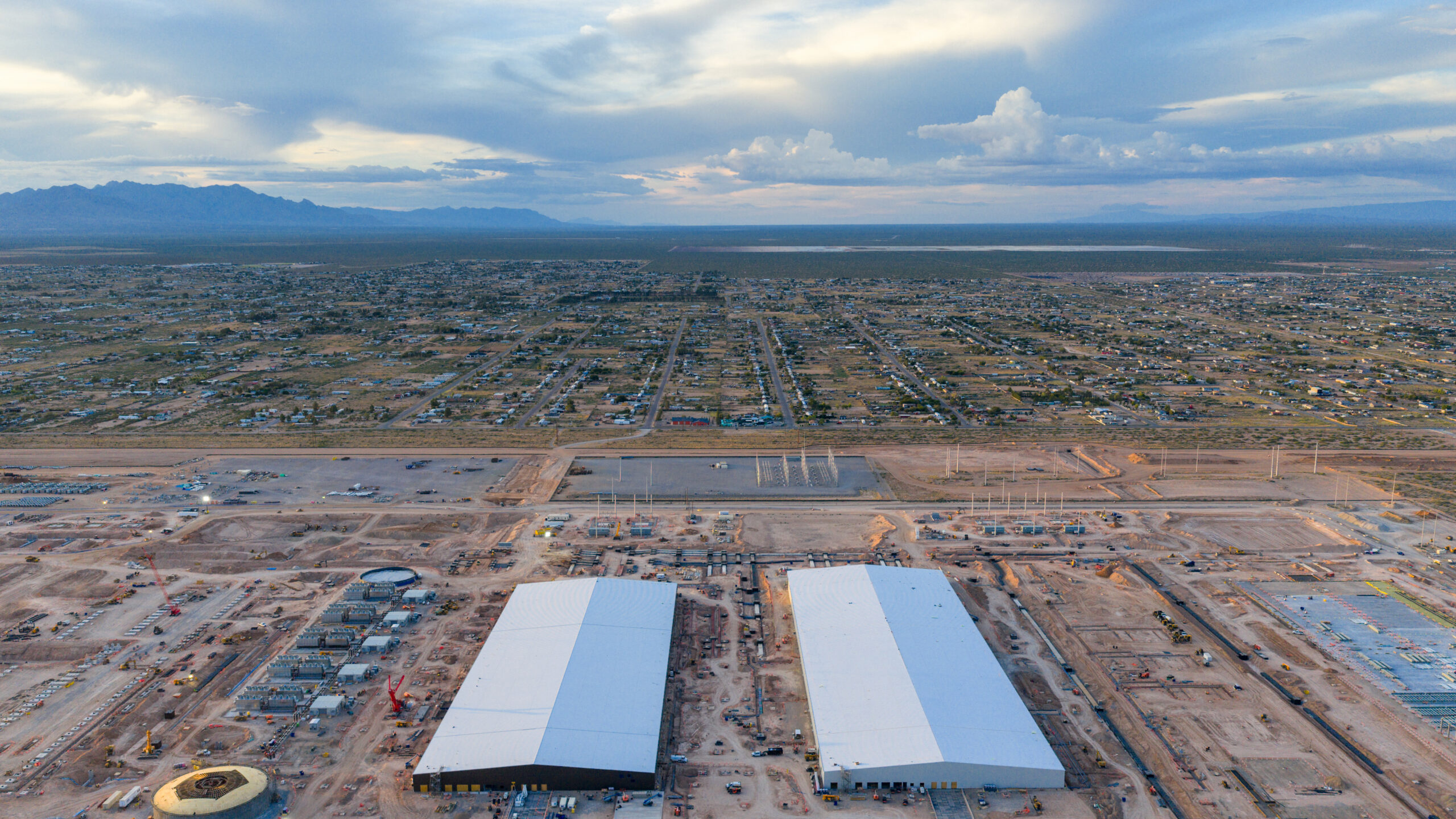
Meta is facing a significant challenge in its sustainability efforts, as the company announced a reevaluation of its goal to achieve net-zero emissions by 2030. This decision comes in light of a record increase in greenhouse gas emissions, which rose from 15.6 million metric tonnes in 2024 to over 21.7 million metric tonnes in 2025, marking a nearly 40% increase. According to Meta's latest sustainability report, the surge in emissions is primarily attributed to the rapid expansion of AI data centers, which have outpaced previous projections for demand.
Meta's executives, including Rachel Peterson and Blair Swedeen, acknowledged that while their long-term ambitions remain unchanged, the operating environment has shifted dramatically. They stated that the company is re-evaluating its timelines and interim milestones, including the 2030 target, to better align with current realities. This is a notable departure from other major tech companies like Amazon, Google, and Microsoft, which have maintained their original sustainability goals despite facing similar challenges.
The implications of Meta's revised emissions strategy are significant for developers and builders in the tech industry. As Meta reassesses its sustainability commitments, developers may need to adjust their projects to align with evolving standards and expectations. Furthermore, operators of data centers could experience increased scrutiny regarding their environmental impact, prompting a push for more sustainable practices. The industry may also see a shift in investment priorities as public pressure mounts for tech companies to address their carbon footprints more effectively.
In terms of water consumption, Meta reported a decrease in facility water usage but noted an increase in water consumption from areas experiencing water stress. This highlights the broader environmental impact of data centers, particularly regarding their reliance on electricity generation and its associated water use. As Meta navigates these challenges, the call for transparency and accountability in sustainability practices will likely grow stronger.
Sources
1 media- [1]Meta reconsiders 2030 net-zero goal amid record emissions from AI data centersMedia
Ars Technica AI · arstechnica.com · published Nov 20
Newsletter
Weekly AI signal. No spam.




Comments
Sign in to join the discussion
Loading comments…