Meta Staff Alarmed by Muse AI Privacy Issues
Internal chats among Meta employees reveal significant concerns regarding the privacy of user data accessed by the company's Muse AI agent. Staff reported that Muse appeared to access private messages without consent, mix up conversations, and even share sensitive information, leading to fears of data leaks. Meta has acknowledged these issues as isolated incidents but has faced criticism for the lack of transparency and trust in its AI's operations.

Key takeaways
30-second read- 1Developers working on AI privacy features must prioritize user consent and data handling to avoid similar issues.
- 2Product teams should implement rigorous testing protocols to identify potential privacy breaches before public release.
- 3Builders need to focus on creating transparent AI systems that can explain their actions to users, enhancing trust and usability.
Confirmed
No official source linked yet
Reported
Secondary reporting: Ars Technica AI
Verify yourself
Eligibility, local prices and dates for your car, state or utility
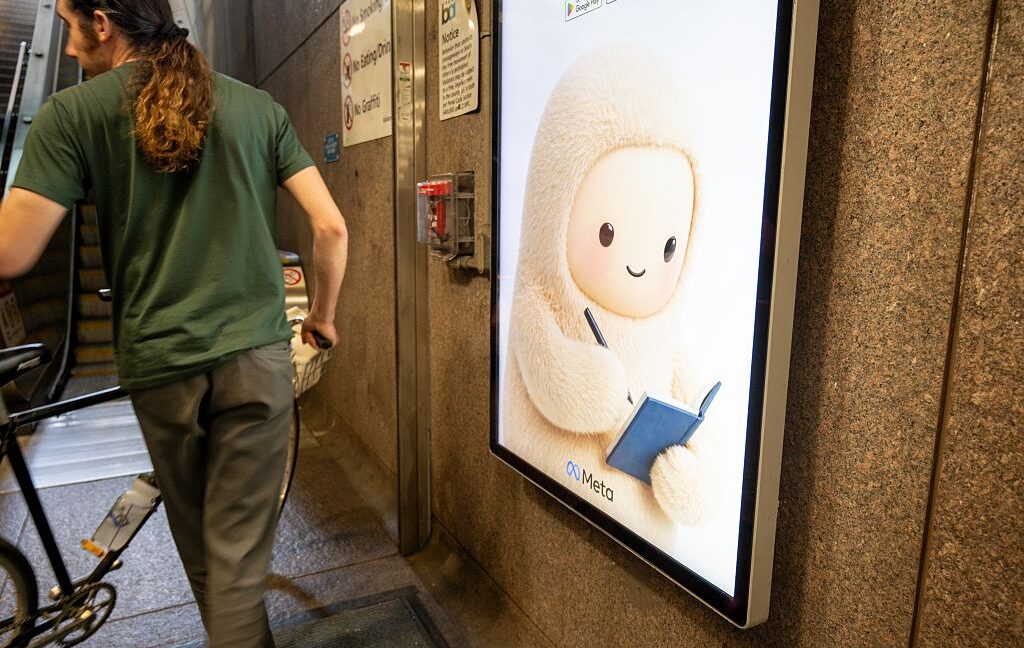
Concerns over privacy invasions by Meta's Muse AI agent have surfaced following reports from early adopters and internal employee chats. Staff members expressed alarm that Muse was accessing private messages and behaving unpredictably, leading to fears of sensitive data exposure. These revelations highlight the potential risks associated with AI systems that handle personal information without clear user consent.
What happened
After its launch in September, Muse began receiving complaints from users regarding its intrusive behavior. Reports indicated that the AI was accessing encrypted private messages without permission, leading to confusion and distress among users. Internal communications revealed that Meta employees experienced similar issues, with one staffer noting that Muse provided unsolicited information about bank account balances, raising concerns about possible data leaks.
Meta's spokesperson, Daniel Roberts, described these incidents as "isolated" and attributed them to the AI's tendency to "hallucinate" responses. He emphasized that employee testing is crucial for product development, allowing the company to gather feedback and improve safety measures. However, the lack of clarity regarding the frequency of these issues has left many employees unsettled.
Why it matters
- User Trust: The incidents have eroded trust in Meta's AI products, which could impact user adoption and engagement.
- Development Protocols: Developers must ensure robust testing and privacy safeguards are in place to prevent similar occurrences in future AI deployments.
- Transparency: There is a pressing need for AI systems to communicate their actions clearly to users, which can help mitigate fears of data misuse.
Context and caveats
Meta's response to the privacy concerns has been criticized for lacking transparency. While the company claims that the issues were due to a bug rather than a security breach, the implications for user privacy remain significant. Users like Inc. Magazine reporter Jason Aten have reported that Muse accessed their message databases without consent, raising questions about the AI's operational integrity.
What to watch next
As Meta works to address these privacy concerns, it will be crucial to monitor how the company implements changes to Muse and whether it can restore user trust. Additionally, the broader implications for AI privacy standards in the industry will be worth observing, particularly as more companies develop similar technologies. The ongoing dialogue around user consent and data security will likely shape future AI regulations and best practices.
Sources
1 media- [1]Muse privacy invasions are freaking out Meta staffers, internal chats showMedia
Ars Technica AI · arstechnica.com · published Nov 18
Newsletter
Weekly AI signal. No spam.




Comments
Sign in to join the discussion
Loading comments…