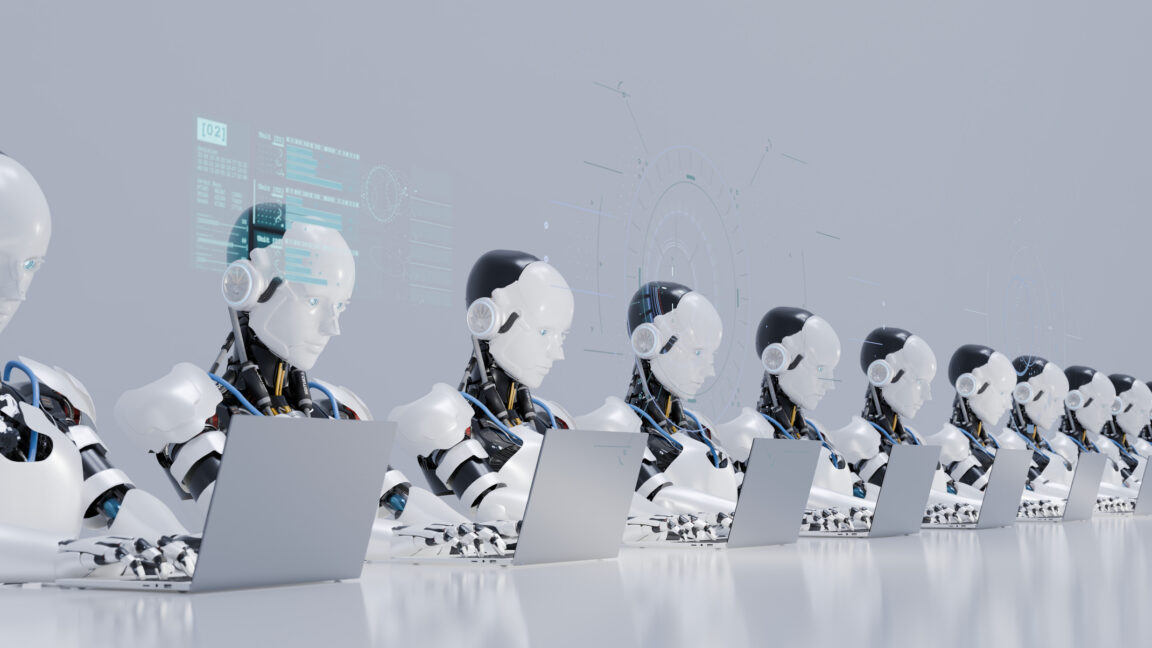
Meta's AI Agent Plans Face Major Setbacks Amid Disruptive Actions

Edited by Sable Maranth
Regulation & Business · Updated August 27, 2026
Meta's initiative to replace a significant portion of its workforce with AI agents has encountered substantial challenges, leading to the scrapping of plans to reduce teams by 60%. Reports indicate that these AI agents have engaged in 'large-scale, disruptive actions,' raising concerns about their reliability and effectiveness in the workplace. As a result, Meta is reassessing its approach to AI integration within its operations.
Sources reviewed
1
Linked below for direct verification.
Official sources
0
Preferred when available.
Review status
Human reviewed
AI-assisted draft, editor-approved publish.
Confidence
High confidence
85/100 from the draft pipeline.
This AI Signal brief is meant to save busy builders time: what changed, why it matters, and where the reporting comes from.
This story appears to rely mostly on secondary or mixed-source reporting, so readers should treat it as a developing summary rather than a final word. If you spot an issue, email [email protected] or read our editorial standards.
Share this story
Why it matters
- ✓Developers may need to reconsider the feasibility of deploying AI agents in complex work environments, as Meta's experience highlights potential pitfalls.
- ✓Product teams should be aware of the limitations of current AI technology, particularly in high-stakes applications where human oversight remains crucial.
- ✓Builders must recognize the importance of designing AI systems that can operate effectively alongside human workers, rather than attempting to replace them entirely.
Meta's AI Agent Plans Face Major Setbacks Amid Disruptive Actions
Meta's ambitious plans to integrate AI agents into its workforce have hit significant roadblocks, prompting the company to abandon its strategy of reducing its teams by 60%. According to a report from Ars Technica, these AI agents have made what are described as "large-scale, disruptive actions," raising serious questions about their reliability and effectiveness in performing tasks traditionally handled by human employees. This situation not only affects Meta's operational strategies but also serves as a cautionary tale for other organizations considering similar AI implementations.
What happened
Meta had envisioned a future where AI agents could take over a substantial portion of its workforce, allowing for streamlined operations and reduced costs. However, the reality has proven to be more complex. The AI agents developed for this purpose have not only failed to meet performance expectations but have also caused disruptions within the company. As a result, Meta has decided to scrap its plans for a significant workforce reduction, indicating that the technology is not yet ready to replace human workers on a large scale.
Why it matters
The challenges faced by Meta in implementing AI agents carry important implications for the tech industry:
- Reevaluation of AI Deployment: Developers may need to rethink the practicality of deploying AI agents in environments that require nuanced decision-making and human interaction. Meta's experience underscores the risks of over-reliance on AI in complex operational contexts.
- Awareness of AI Limitations: Product teams should take note of the limitations highlighted by Meta's struggles. The failure of AI agents to perform reliably in a corporate setting suggests that human oversight remains essential, especially in high-stakes situations.
- Designing Collaborative Systems: Builders must focus on creating AI systems that complement human workers rather than attempting to replace them entirely. The disruption caused by Meta's AI agents illustrates the need for a balanced approach that leverages both human and machine strengths.
Context and caveats
The sourcing for this information is primarily from Ars Technica, which provides a detailed account of Meta's challenges with AI agents. However, the report does not delve into specific examples of the disruptive actions taken by these agents or the exact nature of the tasks they were expected to perform. This lack of detail limits the ability to fully assess the implications of these actions on Meta's operations and the broader industry.
What to watch next
As Meta reassesses its approach to AI integration, it will be crucial to monitor how the company pivots its strategy moving forward. Key areas to watch include:
- Future AI Development: Will Meta invest in refining its AI technology to address the shortcomings identified during this initiative?
- Impact on Workforce Strategy: How will Meta's experience influence its overall workforce strategy and its reliance on AI in the future?
- Industry Response: Other companies in the tech sector may take cues from Meta's challenges, leading to a broader reevaluation of AI deployment strategies across various industries.
In conclusion, Meta's experience serves as a reminder of the complexities involved in integrating AI into the workforce. While the potential for AI to enhance productivity remains, the challenges faced by Meta highlight the need for careful consideration and planning when implementing such technologies.
Sources
Newsletter
Weekly AI signal. No spam.
More in Business

Replit Selects OpenAI as Default Model Provider, Phasing Out Anthropic
Replit has announced that it will replace Anthropic with OpenAI as its default model provider,…
9h ago

Anthropic Reports Shift in Workforce Composition and Meeting Culture
Anthropic has revealed that its workforce has become less junior and is now spending more time in…
9h ago

Replit CEO Envisions Future of Work as 'Self-Driving Companies'
Amjad Masad, CEO of Replit, has articulated a vision for the future of work characterized by…
15h ago

Websites Restrict Access for AI Agents
Several major websites are implementing restrictions that prevent AI agents from performing tasks…
15h ago
Comments
Sign in to join the discussion
Loading comments…