Meta's Control Over Pocket's AI Impacts Game Development Sharing

Edited by Sable Maranth
Regulation & Business · Updated August 31, 2026
Pocket's AI has enabled developers to turn game ideas into reality, but the ability to share these creations is now limited due to Meta's control over the platform. As a result, interactive mobile 'gizmos' created using Pocket's AI are difficult to distribute outside of Meta's ecosystem, raising concerns for developers looking to reach a wider audience.
Sources reviewed
1
Linked below for direct verification.
Official sources
0
Preferred when available.
Review status
Human reviewed
AI-assisted draft, editor-approved publish.
Confidence
High confidence
85/100 from the draft pipeline.
This AI Signal brief is meant to save busy builders time: what changed, why it matters, and where the reporting comes from.
This story appears to rely mostly on secondary or mixed-source reporting, so readers should treat it as a developing summary rather than a final word. If you spot an issue, email [email protected] or read our editorial standards.
Share this story
Why it matters
- ✓Developers using Pocket's AI may face challenges in sharing their creations, limiting their audience and potential revenue.
- ✓The reliance on Meta's platform could stifle innovation, as developers may be discouraged from creating unique content that cannot be easily shared.
- ✓The situation highlights the growing power of major tech companies like Meta in controlling the distribution of digital content, impacting the overall landscape for independent developers.
Meta's Control Over Pocket's AI Impacts Game Development Sharing
Pocket's AI has revolutionized the way developers can bring their game ideas to life. However, recent developments indicate that the ability to share these creations is now significantly hindered by Meta's control over the platform. This situation raises important questions about the future of game development and content sharing in an increasingly centralized digital landscape.
What happened
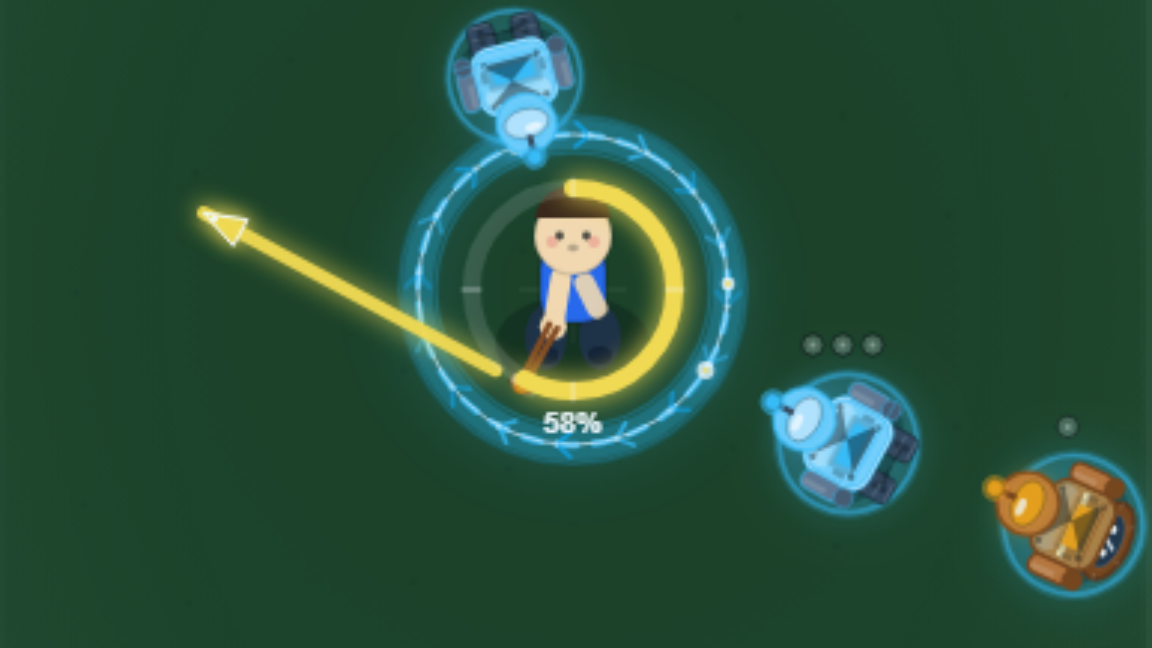
According to a report from Ars Technica, Pocket's AI has made it easier for developers to create interactive mobile games, referred to as 'gizmos.' These tools allow for rapid prototyping and development, enabling creators to transform their ideas into playable experiences. However, the report highlights a critical issue: once these games are created, sharing them outside of Meta's platform is challenging. This limitation stems from Meta's control over the distribution channels, which restricts developers from reaching audiences on other platforms.
Why it matters
The implications of this development are significant for developers, builders, and product teams:
-
Limited Audience Reach: Developers using Pocket's AI may struggle to share their creations with a broader audience, which can limit their potential user base and revenue opportunities. The inability to distribute games outside of Meta's ecosystem could deter developers from fully utilizing the AI's capabilities.
-
Stifled Innovation: The reliance on Meta's platform for sharing content could discourage developers from experimenting with unique ideas. If creators feel that their work cannot be effectively shared or monetized, they may opt for safer, more conventional projects instead of pushing the boundaries of creativity.
-
Centralized Control: This situation underscores the growing influence of major tech companies like Meta in the digital content landscape. As these companies exert more control over distribution, independent developers may find it increasingly difficult to compete, leading to a homogenization of content and a reduction in diversity within the gaming industry.
Context and caveats
While Pocket's AI has provided developers with powerful tools for game creation, the challenges posed by Meta's control highlight a broader issue within the tech industry. The consolidation of power among a few major players can create barriers for smaller developers and limit the diversity of content available to consumers. This situation is not unique to Pocket's AI; many platforms face similar challenges regarding content distribution and sharing.
What to watch next
As the landscape of game development continues to evolve, it will be crucial to monitor how developers adapt to these challenges. Key areas to watch include:
-
Alternative Platforms: Developers may begin to explore alternative platforms that offer more freedom for sharing and distribution. This shift could lead to the emergence of new competitors in the gaming space.
-
Policy Changes: As concerns about centralized control grow, there may be calls for policy changes that promote fair competition and protect the rights of independent developers.
-
Innovations in AI Tools: The development of new AI tools that prioritize sharing and distribution could provide developers with more options and flexibility in how they bring their ideas to life.
In conclusion, while Pocket's AI has empowered developers to create engaging game experiences, the limitations imposed by Meta's control over sharing highlight significant challenges that could impact the future of game development. As the industry navigates these complexities, it will be essential for developers to seek out innovative solutions and advocate for a more equitable digital landscape.
Sources
- Pocket's AI made my game ideas real. Now Meta controls the results. — Ars Technica AI
Newsletter
Weekly AI signal. No spam.
More in Business

Replit Selects OpenAI as Default Model Provider, Phasing Out Anthropic
Replit has announced that it will replace Anthropic with OpenAI as its default model provider,…
1h ago

Anthropic Reports Shift in Workforce Composition and Meeting Culture
Anthropic has revealed that its workforce has become less junior and is now spending more time in…
1h ago

Replit CEO Envisions Future of Work as 'Self-Driving Companies'
Amjad Masad, CEO of Replit, has articulated a vision for the future of work characterized by…
7h ago

Websites Restrict Access for AI Agents
Several major websites are implementing restrictions that prevent AI agents from performing tasks…
7h ago
Comments
Sign in to join the discussion
Loading comments…