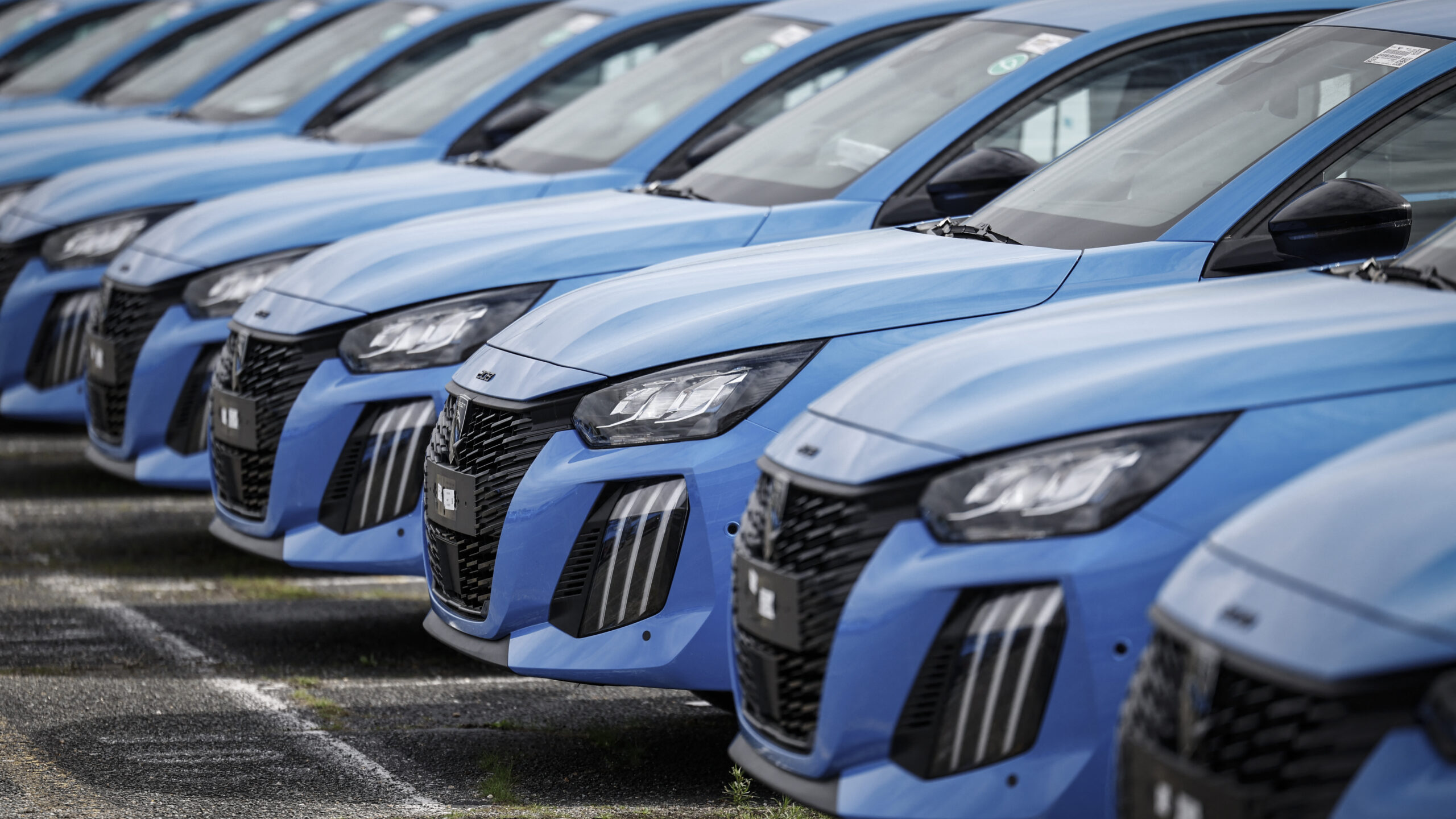
Microsoft and Stellantis Collaborate to Integrate AI in Automotive Services

Edited by Sable Maranth
Regulation & Business · Updated April 17, 2026
Microsoft and Stellantis have announced a partnership to leverage artificial intelligence in enhancing digital services for car owners. This initiative aims to improve the user experience across various brands under Stellantis, including Jeep and Peugeot. The integration of AI is expected to provide personalized services and streamline vehicle management for consumers.
Sources reviewed
1
Linked below for direct verification.
Official sources
0
Preferred when available.
Review status
Human reviewed
AI-assisted draft, editor-approved publish.
Confidence
High confidence
85/100 from the draft pipeline.
This AI Signal brief is meant to save busy builders time: what changed, why it matters, and where the reporting comes from.
This story appears to rely mostly on secondary or mixed-source reporting, so readers should treat it as a developing summary rather than a final word. If you spot an issue, email [email protected] or read our editorial standards.
Share this story
Why it matters
- ✓Developers will have new opportunities to create AI-driven applications that enhance vehicle functionality and user experience.
- ✓Product teams can leverage Microsoft's AI tools to develop innovative features tailored to specific automotive brands and customer needs.
- ✓Operators will need to adapt to the integration of AI in vehicle systems, requiring updates to existing infrastructure and training for staff on new technologies.
Microsoft and Stellantis Collaborate to Integrate AI in Automotive Services
Microsoft and Stellantis have announced a significant partnership aimed at enhancing digital services for car owners through the integration of artificial intelligence (AI). This collaboration is set to impact various automotive brands under Stellantis, including well-known names like Jeep and Peugeot. By leveraging AI, the companies aim to improve user experiences and streamline vehicle management processes for consumers.
What happened
The partnership between Microsoft and Stellantis marks a strategic move to incorporate AI into the automotive sector. The focus will be on developing digital services that can provide personalized experiences for car owners. This initiative is part of a broader trend in the automotive industry, where companies are increasingly looking to technology to enhance customer engagement and operational efficiency.
Why it matters
The integration of AI into automotive services has several implications:
- Opportunities for Developers: With the partnership, developers will have the chance to create new applications that utilize AI to improve vehicle functionality. This could include features such as predictive maintenance alerts, personalized driving experiences, and enhanced infotainment systems.
- Innovative Product Development: Product teams can utilize Microsoft's AI tools to design features that cater specifically to the needs of different automotive brands. This could lead to more tailored solutions that resonate with consumers, enhancing brand loyalty.
- Operational Adjustments: Operators within Stellantis will need to adapt to the new AI-driven systems. This may involve updating existing infrastructure and providing training for staff to effectively manage and support the new technologies.
Context and caveats
The automotive industry is undergoing a significant transformation, with AI playing a crucial role in this evolution. As companies like Stellantis and tech giants like Microsoft collaborate, the potential for innovation increases. However, it is essential to note that the sourcing for this news is limited, primarily coming from Ars Technica, which highlights the partnership but does not delve into specific technological implementations or timelines.
What to watch next
As this partnership progresses, it will be important to monitor how Microsoft and Stellantis implement AI in their services. Key areas to watch include:
- Development of Specific AI Features: Look for announcements regarding specific AI-driven features that will be rolled out across Stellantis brands.
- Consumer Feedback: Pay attention to how consumers respond to these new digital services and whether they enhance the overall driving experience.
- Impact on Competitors: Other automotive manufacturers may respond to this collaboration by seeking their own partnerships or developing in-house AI solutions, potentially altering the competitive landscape.
In conclusion, the collaboration between Microsoft and Stellantis represents a significant step towards integrating AI into the automotive industry. As the partnership unfolds, it will be crucial for developers, product teams, and operators to stay informed and adapt to the changes that AI will bring to vehicle management and user experiences.
Sources
- Microsoft and Stellantis want to use AI to help car owners — Ars Technica AI
Newsletter
Weekly AI signal. No spam.
More in Business

Nvidia Insider Discusses Robotics' Current Development Stage
Amulya Vishwanath, a former product marketing leader at NVIDIA, argues that the robotics industry…
1h ago

Hollywood's Tech Backlash: A Critical Shift in Narrative
2026 has seen a surge in films that critically examine the impact of technology and its founders on…
7h ago

Sega Withdraws Total War: Shogun 2 Remaster Following Poor Reception
Sega has decided to pull Total War: Shogun 2 - Complete Edition from digital storefronts after a…
7h ago

AI Hacks Leave a Mess That AI Companies Aren’t Paying For
Recent reports highlight that powerful AI models are causing significant disruptions, yet the…
7h ago
Comments
Sign in to join the discussion
Loading comments…