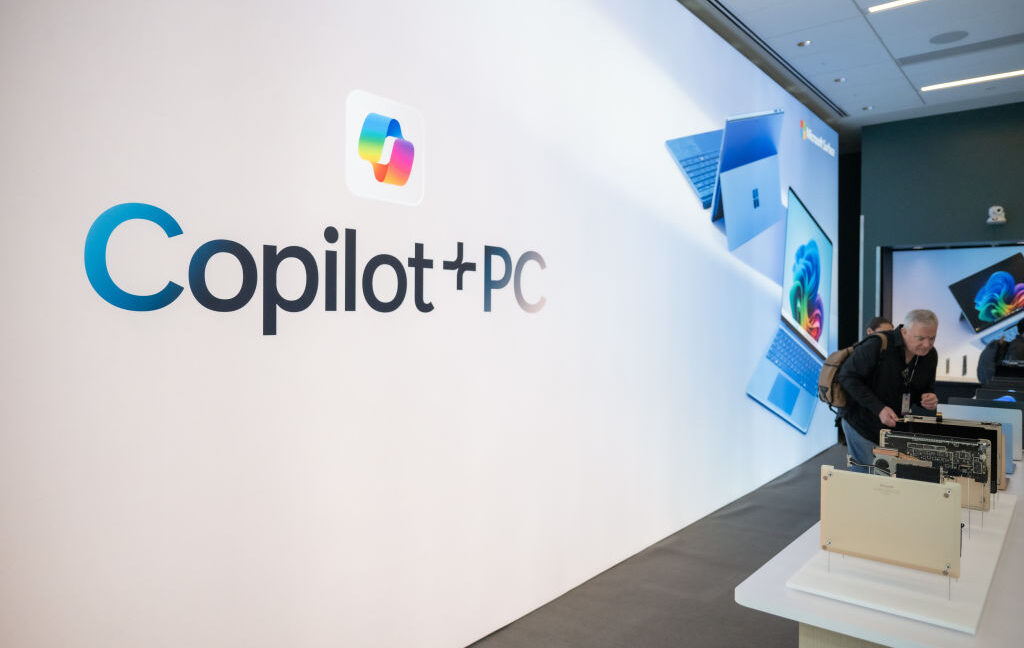
Microsoft Discontinues 'Copilot+ PC' Branding for Surface Laptops

Edited by Orin Codewell
Tools & Coding · Updated September 27, 2026
Microsoft has officially dropped the 'Copilot+ PC' branding from its new Surface laptops, signaling a shift in its marketing strategy. This change comes alongside the launch of the redesigned Copilot app, which integrates various AI capabilities into a single interface, aiming to enhance user experience across coding and productivity tasks.
Sources reviewed
2
Linked below for direct verification.
Official sources
0
Preferred when available.
Review status
Human reviewed
AI-assisted draft, editor-approved publish.
Confidence
High confidence
90/100 from the draft pipeline.
This AI Signal brief is meant to save busy builders time: what changed, why it matters, and where the reporting comes from.
This story appears to rely mostly on secondary or mixed-source reporting, so readers should treat it as a developing summary rather than a final word. If you spot an issue, email [email protected] or read our editorial standards.
Share this story
Why it matters
- ✓Developers can now focus on the capabilities of the new Copilot app without the confusion of needing specific hardware branding, potentially broadening the user base.
- ✓The integration of chat, coding, and agents into a single interface may streamline workflows for product teams, making it easier to manage multiple tasks.
- ✓The rebranding of Scout to Autopilot indicates a more cohesive strategy for AI tools, which could lead to better support and updates for developers using these applications.
Microsoft Discontinues 'Copilot+ PC' Branding for Surface Laptops
Microsoft has made a significant change in its approach to marketing its new Surface laptops by dropping the 'Copilot+ PC' branding. This decision reflects a shift in focus towards the capabilities of its AI tools rather than tying them to specific hardware requirements. The move comes at a time when Microsoft is also unveiling its redesigned Copilot app, which aims to integrate various AI functionalities into a single, user-friendly interface.
What happened
According to a report from Ars Technica, Microsoft has decided to forego the 'Copilot+ PC' branding for its latest Surface laptops. This branding was initially intended to signify a new era of AI-enhanced computing, but the company has pivoted away from this concept. Instead, Microsoft is emphasizing the capabilities of its new Copilot app, which bundles multiple AI functionalities into one platform.
The Verge elaborates on the new Copilot app, describing it as a 'super app' that combines chat, coding, and agents into a single interface. This redesigned app features three main tabs: Home, Code, and Autopilot. The Home tab integrates Copilot Chat and Cowork, providing users with a centralized experience for managing their tasks. This shift in branding and functionality indicates Microsoft's commitment to enhancing user experience through AI.
Why it matters
The discontinuation of the 'Copilot+ PC' branding has several implications for developers, builders, and product teams:
- Focus on Capabilities: By removing the specific hardware branding, Microsoft allows developers to concentrate on the functionalities of the Copilot app itself, rather than being limited by hardware requirements. This could lead to a larger adoption of the app among users who may not have previously considered it due to hardware constraints.
- Streamlined Workflows: The integration of chat, coding, and agents into a single interface may significantly improve productivity for product teams. With all necessary tools accessible from one platform, teams can manage their workflows more efficiently, reducing the time spent switching between different applications.
- Cohesive AI Strategy: The rebranding of Scout to Autopilot signifies a more unified approach to Microsoft's AI tools. This could lead to better support and more frequent updates for developers, as the company focuses on enhancing its suite of AI applications.
Context and caveats
While the change in branding and the introduction of the new Copilot app are noteworthy, it's essential to consider the broader context of Microsoft's AI strategy. The company has been increasingly integrating AI capabilities into its products, aiming to compete with other tech giants in the AI space. However, the success of these initiatives will depend on user adoption and the effectiveness of the tools in real-world applications.
Additionally, the sourcing for this news is limited to two primary articles, which may not capture the full scope of Microsoft's strategic changes. As such, ongoing developments should be monitored to gain a clearer understanding of the impact of these changes on the market and user experience.
What to watch next
As Microsoft continues to roll out its new Copilot app and refine its AI offerings, developers and product teams should keep an eye on:
- User Feedback: Monitoring how users respond to the new Copilot app will provide insights into its effectiveness and areas for improvement.
- Updates and Features: Microsoft is likely to introduce new features and updates for the Copilot app and other AI tools, which could further enhance their utility.
- Market Competition: Observing how competitors respond to Microsoft's AI strategy will be crucial in understanding the overall landscape of AI tools and applications.
In conclusion, Microsoft's decision to drop the 'Copilot+ PC' branding and focus on its new Copilot app reflects a strategic shift aimed at enhancing user experience and streamlining workflows for developers and product teams. As the company continues to innovate in the AI space, the implications for users and the broader market will be significant.
Sources
- Microsoft stops insisting you need a "Copilot+ PC" — Ars Technica AI
- Microsoft thinks its new Copilot ‘super app’ will be as influential as Office — The Verge AI
More in Tools

Apple Home's AI Camera Features Tested Against Amazon and Google
A recent test compared the AI camera features of Apple's Home, Amazon's Ring, and Google's Nest…
2h ago

Interactive Digital Avatar Developed for Conversations on Venture Fraud
A developer has created an interactive digital avatar of themselves capable of discussing venture…
20h ago

Meta's Muse AI Agent Outpaces Competitors Amid Model Releases
Meta's personal AI agent, Muse, has reportedly surpassed early usage numbers of ChatGPT, gaining…
1d ago

Meta's Muse: An Adults-Only AI Device with a Childlike Appearance
Meta has introduced Muse, an AI device designed exclusively for adults, despite its playful,…
1d ago
Comments
Sign in to join the discussion
Loading comments…