Microsoft Integrates Office into Copilot, Rebranding It as 'the New OS for Work'
At the Ignite event, Microsoft CEO Satya Nadella announced the integration of Word, Excel, and PowerPoint into Copilot, which he described as 'the new OS for work.' This shift allows users to create and edit documents directly within Copilot, leveraging a context layer that draws from various organizational data. The announcement also included the introduction of Copilot Autopilot, a proactive AI agent designed to manage tasks across multiple services.
 Orin CodewellTools & Coding
2 min read1 source
Key takeaways
30-second read- 1Developers can leverage the new Copilot integrations to create more efficient workflows, as applications will now function as plugins within a central AI-driven environment.
- 2Product teams will need to consider how to design applications that integrate seamlessly with Copilot, ensuring compatibility with the new organizational knowledge layer.
- 3Operators will have to adapt to new governance tools and trust frameworks that come with AI agents, which will require careful management of permissions and oversight.
Confirmed
No official source linked yet
Reported
Secondary reporting: Ars Technica AI
Verify yourself
Eligibility, local prices and dates for your car, state or utility
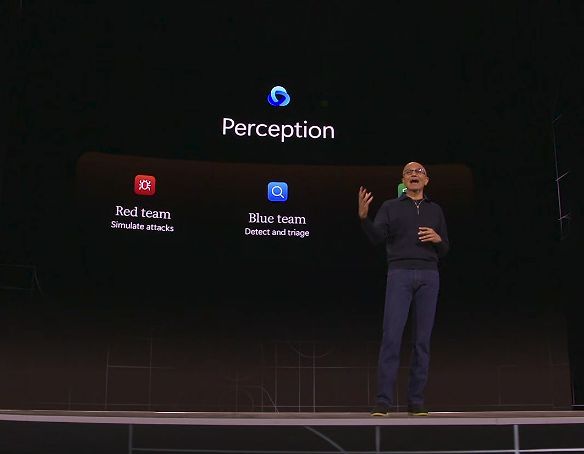
Microsoft recently made a significant announcement at its Ignite event, where CEO Satya Nadella introduced the integration of Microsoft Office applications—Word, Excel, and PowerPoint—into its AI platform, Copilot. This move is part of a broader vision to redefine productivity software, positioning Copilot as 'the new OS for work.' Users will now be able to create and edit documents, spreadsheets, and presentations directly within the Copilot interface, which is designed to streamline workflows by utilizing an organizational knowledge layer that pulls context from emails, meetings, calendars, chats, and files.
What happened
The integration of Office into Copilot marks a major shift in how users interact with productivity software. Traditionally, applications like Word served as standalone tools, with assistants like Clippy providing support. Now, Microsoft envisions a future where AI agents drive productivity, with applications functioning as components within this new ecosystem. This approach allows for a more cohesive user experience, where tasks can be managed holistically rather than in isolation.
Additionally, Microsoft introduced Copilot Autopilot, a cloud-based AI agent capable of handling multiple tasks across services such as email and calendars. This agent can be authorized to perform delegated responsibilities, enhancing personal productivity. The pricing model for Autopilot will be based on usage, although specific details have yet to be disclosed.
Why it matters
The implications of these changes are significant for various stakeholders:
- Developers will need to adapt their applications to work within the Copilot framework, ensuring that they can integrate effectively with the new AI-driven environment.
- Product teams must consider how to leverage the organizational knowledge layer to enhance user experience and functionality in their applications.
- Operators will face new challenges in governance and trust, as they will need to manage AI agents' permissions and monitor their activities to prevent misuse or data exposure.
Context and caveats
Nadella emphasized the importance of trust in AI systems, acknowledging that while these technologies are powerful, they cannot be fully trusted to govern themselves. Microsoft plans to implement strict controls over AI agents, including unique IDs for each agent and logging of all activities for human review. This approach aims to mitigate risks associated with autonomous AI behavior, but it also places the onus on businesses to determine how much autonomy they grant to these agents.
What to watch next
As Microsoft rolls out these features, it will be crucial to observe how organizations adapt to the new Copilot environment. The effectiveness of the governance tools and the AI Transparency Initiative will also be key indicators of how well businesses can manage AI integration into their workflows. Additionally, the response from developers and product teams regarding the integration of their applications into Copilot will shape the future of productivity software.
Sources
1 media- [1]Copilot is "the new OS for work," and now Office runs inside of itMedia
Ars Technica AI · arstechnica.com · published Nov 17
Newsletter
Weekly AI signal. No spam.


Comments
Sign in to join the discussion
Loading comments…