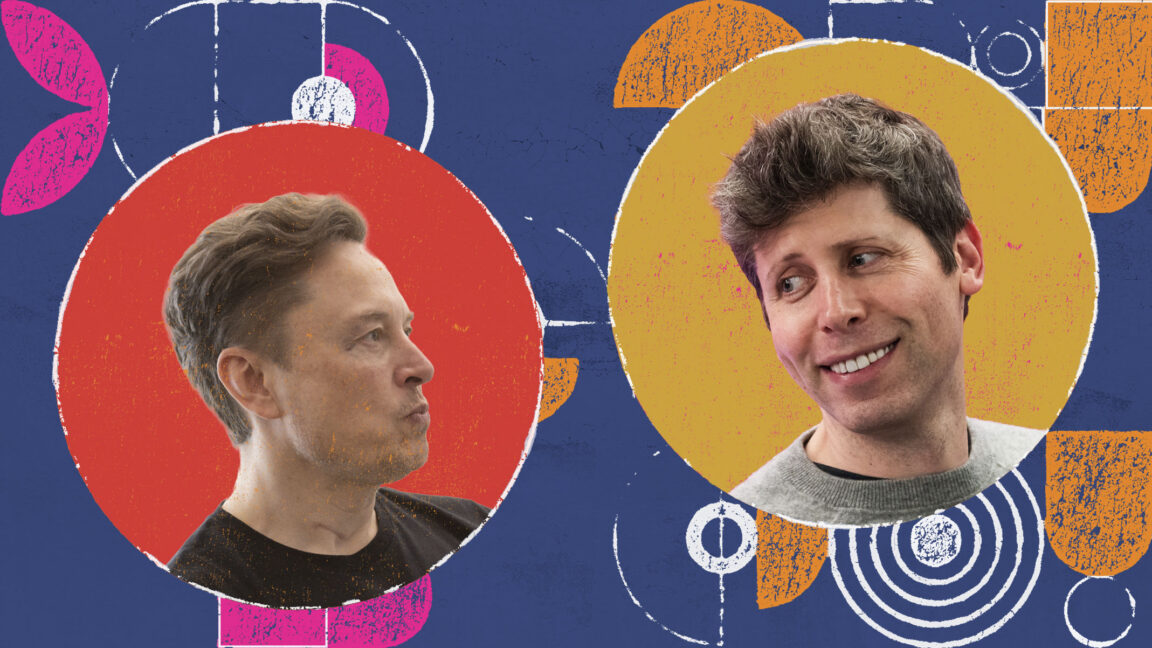
Musk and Altman Face Off in Trial Over OpenAI's Future

Edited by Sable Maranth
Regulation & Business · Updated April 28, 2026
Elon Musk and Sam Altman are currently engaged in a legal battle that could significantly impact the direction of OpenAI. The trial is complicated by Musk's evolving views on the dangers of artificial intelligence, which may influence the court's decisions regarding OpenAI's mission and operations.
Sources reviewed
1
Linked below for direct verification.
Official sources
0
Preferred when available.
Review status
Human reviewed
AI-assisted draft, editor-approved publish.
Confidence
High confidence
85/100 from the draft pipeline.
This AI Signal brief is meant to save busy builders time: what changed, why it matters, and where the reporting comes from.
This story appears to rely mostly on secondary or mixed-source reporting, so readers should treat it as a developing summary rather than a final word. If you spot an issue, email [email protected] or read our editorial standards.
Share this story
Why it matters
- ✓The outcome of the trial could redefine OpenAI's operational framework, potentially affecting how developers and product teams approach AI safety and ethics.
- ✓Changes to OpenAI's mission could lead to shifts in funding and resource allocation, impacting projects and collaborations for builders in the AI space.
- ✓A ruling in favor of Musk could impose stricter regulations on AI development, influencing the tools and methodologies that product teams use.
Musk and Altman Face Off in Trial Over OpenAI's Future
Elon Musk and Sam Altman are currently embroiled in a legal confrontation that could shape the future of OpenAI, the organization at the forefront of artificial intelligence research and development. The trial's outcome is particularly significant given Musk's fluctuating stance on the risks associated with AI, which may complicate the court's understanding of OpenAI's mission and operational goals.
What Happened
The trial centers around the differing visions of Musk and Altman regarding the direction of OpenAI. Musk, a co-founder of OpenAI, has expressed increasing concern about the potential dangers of AI, suggesting that the organization should prioritize safety and ethical considerations. In contrast, Altman has advocated for a more ambitious approach to AI development, focusing on innovation and the transformative potential of the technology. This clash of philosophies is now being scrutinized in a legal setting, where the court will assess the implications of their differing views on OpenAI's future.
Musk's shifting perspective on AI risks may complicate the trial proceedings. His earlier enthusiasm for AI has given way to caution, which could influence the court's decisions on how OpenAI should operate moving forward. The trial is expected to address not only the internal governance of OpenAI but also its broader impact on the AI landscape.
Why It Matters
The implications of this trial extend beyond the courtroom and into the practical realms of AI development and deployment:
- Redefining Operational Frameworks: Depending on the trial's outcome, OpenAI's operational framework may undergo significant changes. Developers and product teams may need to adapt their approaches to align with new guidelines or restrictions that could emerge from the ruling.
- Impact on Funding and Resources: A shift in OpenAI's mission could lead to changes in funding and resource allocation, affecting ongoing projects and collaborations. Builders in the AI space may find themselves navigating a different landscape in terms of available support and partnerships.
- Regulatory Implications: If the court sides with Musk, it could lead to stricter regulations governing AI development. This would have direct consequences for product teams, who may need to implement new compliance measures and rethink their development strategies to adhere to heightened safety and ethical standards.
Context and Caveats
The trial comes at a time when the AI industry is grappling with questions of safety, ethics, and governance. Musk's concerns about AI dangers are not unfounded, as many experts in the field have raised alarms about the potential for misuse and unintended consequences of advanced AI systems. However, Altman's perspective emphasizes the need for innovation and progress, arguing that overly cautious approaches could stifle technological advancement.
The legal proceedings are likely to draw attention from various stakeholders in the AI community, including developers, researchers, and policymakers. The outcome could set important precedents for how AI organizations operate and are regulated in the future.
What to Watch Next
As the trial unfolds, several key developments will be important to monitor:
- Court Rulings: Any rulings made by the court could have immediate implications for OpenAI's operations and mission, influencing how developers and product teams approach their work.
- Public Reactions: The reactions from the AI community and the public will also be telling. How stakeholders respond to the trial's outcome could shape future discussions around AI governance and ethics.
- Future Collaborations: Depending on the trial's outcome, there may be shifts in partnerships and collaborations within the AI ecosystem, impacting how projects are funded and developed.
In conclusion, the trial between Musk and Altman represents a critical juncture for OpenAI and the broader AI landscape. The decisions made in this legal battle will likely resonate throughout the industry, influencing how developers, builders, and product teams navigate the complex interplay of innovation, safety, and ethics in artificial intelligence.
Sources
- Musk and Altman face off in trial that will determine OpenAI's future — Ars Technica AI
Newsletter
Weekly AI signal. No spam.
More in Regulation

Trump Shares AI-Edited Photo of White House Renovations
Former President Donald Trump recently posted an AI-modified image on Truth Social, showcasing…
3h ago
Meta Revises Commercial TOS to Mitigate AI Licensing Costs
Meta has updated its commercial Terms of Service (TOS), which legal experts suggest may be a…
3h ago

Meta's New Terms May Enable Free AI Training on News Sites
Meta has updated its business terms to allow the company to crawl and scrape content from websites…
9h ago

Meta Updates Terms to Address Scraping and AI Training Concerns
Meta has removed specific language from its terms of service that previously raised concerns…
9h ago
Comments
Sign in to join the discussion
Loading comments…