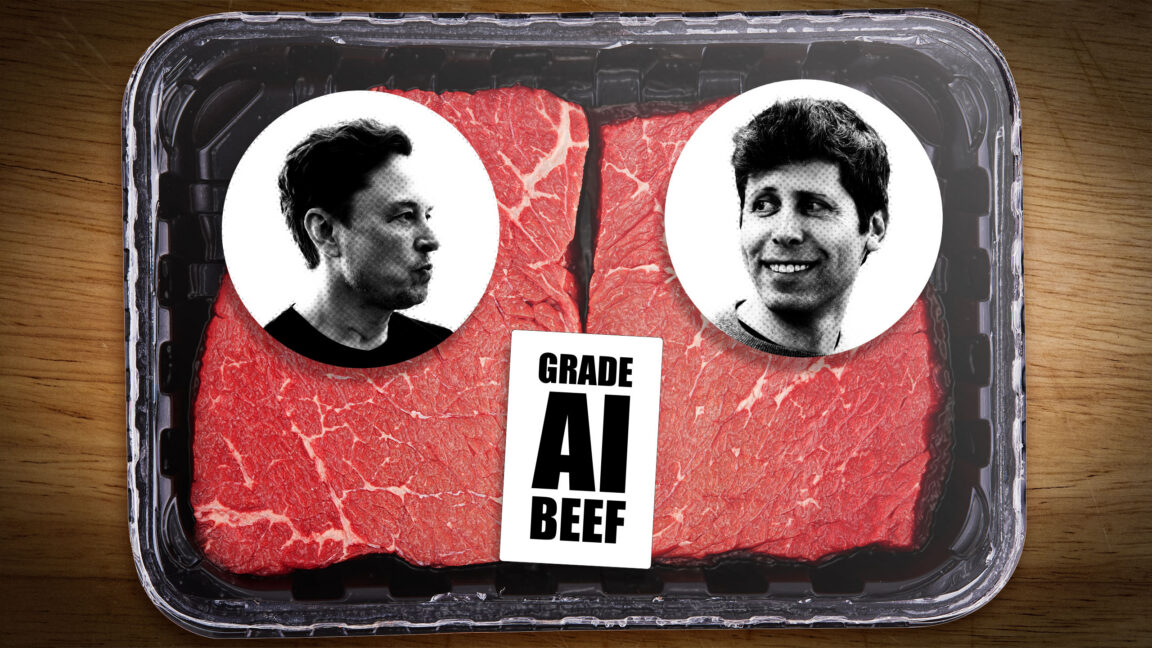
Musk Offers Damages to OpenAI Nonprofit in Legal Battle Against Altman

Edited by Sable Maranth
Regulation & Business · Updated April 12, 2026
Elon Musk has announced that he will not seek any financial compensation in his lawsuit against OpenAI's CEO, Sam Altman. Instead, Musk has proposed to donate any potential damages, estimated at up to $134 billion, to the OpenAI nonprofit. This move marks a significant shift in Musk's legal strategy as he aims to challenge Altman in court.
Sources reviewed
1
Linked below for direct verification.
Official sources
0
Preferred when available.
Review status
Human reviewed
AI-assisted draft, editor-approved publish.
Confidence
High confidence
90/100 from the draft pipeline.
This AI Signal brief is meant to save busy builders time: what changed, why it matters, and where the reporting comes from.
This story appears to rely mostly on secondary or mixed-source reporting, so readers should treat it as a developing summary rather than a final word. If you spot an issue, email [email protected] or read our editorial standards.
Share this story
Why it matters
- ✓Developers and product teams may need to reassess their partnerships and collaborations with OpenAI, considering the potential implications of Musk's lawsuit on the organization's future direction.
- ✓The outcome of this legal battle could influence the regulatory landscape surrounding AI nonprofits, impacting how funding and governance structures are established in the sector.
- ✓Musk's decision to donate damages could set a precedent for how tech leaders approach legal disputes, potentially fostering a culture of philanthropy in the tech industry.
Introduction
Elon Musk has made headlines with his latest legal maneuver against Sam Altman, the CEO of OpenAI. In a surprising turn of events, Musk has stated that he will not seek any financial compensation in his ongoing lawsuit against Altman. Instead, he has pledged to donate any potential damages, which could amount to as much as $134 billion, to the OpenAI nonprofit. This decision not only alters the dynamics of the legal battle but also raises questions about the future of OpenAI and its mission.
What happened
Musk's lawsuit against Altman centers around allegations that could significantly impact the operations and governance of OpenAI. Initially, Musk had sought a staggering sum of up to $134 billion in damages. However, he has now shifted his strategy, opting to forgo any financial gain from the lawsuit. Instead, he has proposed that any awarded damages be directed to the OpenAI nonprofit, which aims to ensure that artificial intelligence benefits all of humanity.
This change in approach is notable, as it reflects Musk's commitment to the nonprofit's mission, despite his contentious relationship with OpenAI and its leadership. By offering to donate damages, Musk is positioning himself as a supporter of OpenAI's goals, even as he challenges its current leadership.
Why it matters
Musk's legal strategy has several implications for developers, builders, operators, and product teams:
- Reassessing Partnerships: Developers and product teams may need to reconsider their collaborations with OpenAI. The lawsuit could lead to changes in OpenAI's governance and operational focus, which may affect ongoing projects and partnerships.
- Regulatory Implications: The outcome of this lawsuit could influence the regulatory framework surrounding AI nonprofits. If Musk's approach gains traction, it may prompt regulators to examine how funding and governance are structured in the AI sector, potentially leading to new guidelines.
- Cultural Shift in Tech: Musk's decision to donate damages could inspire a new trend among tech leaders, where legal disputes are resolved with a focus on philanthropy. This could foster a culture of giving back to the community, influencing how tech companies approach legal challenges in the future.
Context and caveats
While Musk's offer to donate damages is significant, the broader context of the lawsuit remains complex. Musk's relationship with OpenAI has been fraught with tension, stemming from his departure from the organization and subsequent criticisms of its direction. The legal battle could reveal deeper issues within OpenAI's governance and operational strategies.
Moreover, the sourcing for this information is limited to a single article from Ars Technica, which may not capture the full scope of the legal proceedings or the reactions from other stakeholders in the AI community. As the case unfolds, additional insights may emerge that could further clarify the implications of Musk's actions.
What to watch next
As this legal battle progresses, several key developments should be monitored:
- Court Rulings: The decisions made by the court will be crucial in determining the future of OpenAI and its leadership. Observers should pay attention to any rulings that could impact the organization's governance.
- Industry Reactions: The response from the broader tech community, including other AI organizations and developers, will be important in assessing the overall impact of Musk's lawsuit on the AI landscape.
- Regulatory Changes: Any shifts in regulatory frameworks surrounding AI nonprofits could emerge as a result of this case, influencing how similar organizations operate in the future.
In conclusion, Musk's legal strategy represents a significant shift in the ongoing battle with Altman and OpenAI. By offering to donate any potential damages, Musk is not only challenging the current leadership but also positioning himself as a supporter of the nonprofit's mission. The implications of this lawsuit will likely resonate throughout the tech industry, prompting developers and product teams to rethink their approaches to collaboration and governance in the AI space.
Sources
Newsletter
Weekly AI signal. No spam.
More in Business

Replit Selects OpenAI as Default Model Provider, Phasing Out Anthropic
Replit has announced that it will replace Anthropic with OpenAI as its default model provider,…
9h ago

Anthropic Reports Shift in Workforce Composition and Meeting Culture
Anthropic has revealed that its workforce has become less junior and is now spending more time in…
9h ago

Replit CEO Envisions Future of Work as 'Self-Driving Companies'
Amjad Masad, CEO of Replit, has articulated a vision for the future of work characterized by…
15h ago

Websites Restrict Access for AI Agents
Several major websites are implementing restrictions that prevent AI agents from performing tasks…
15h ago
Comments
Sign in to join the discussion
Loading comments…