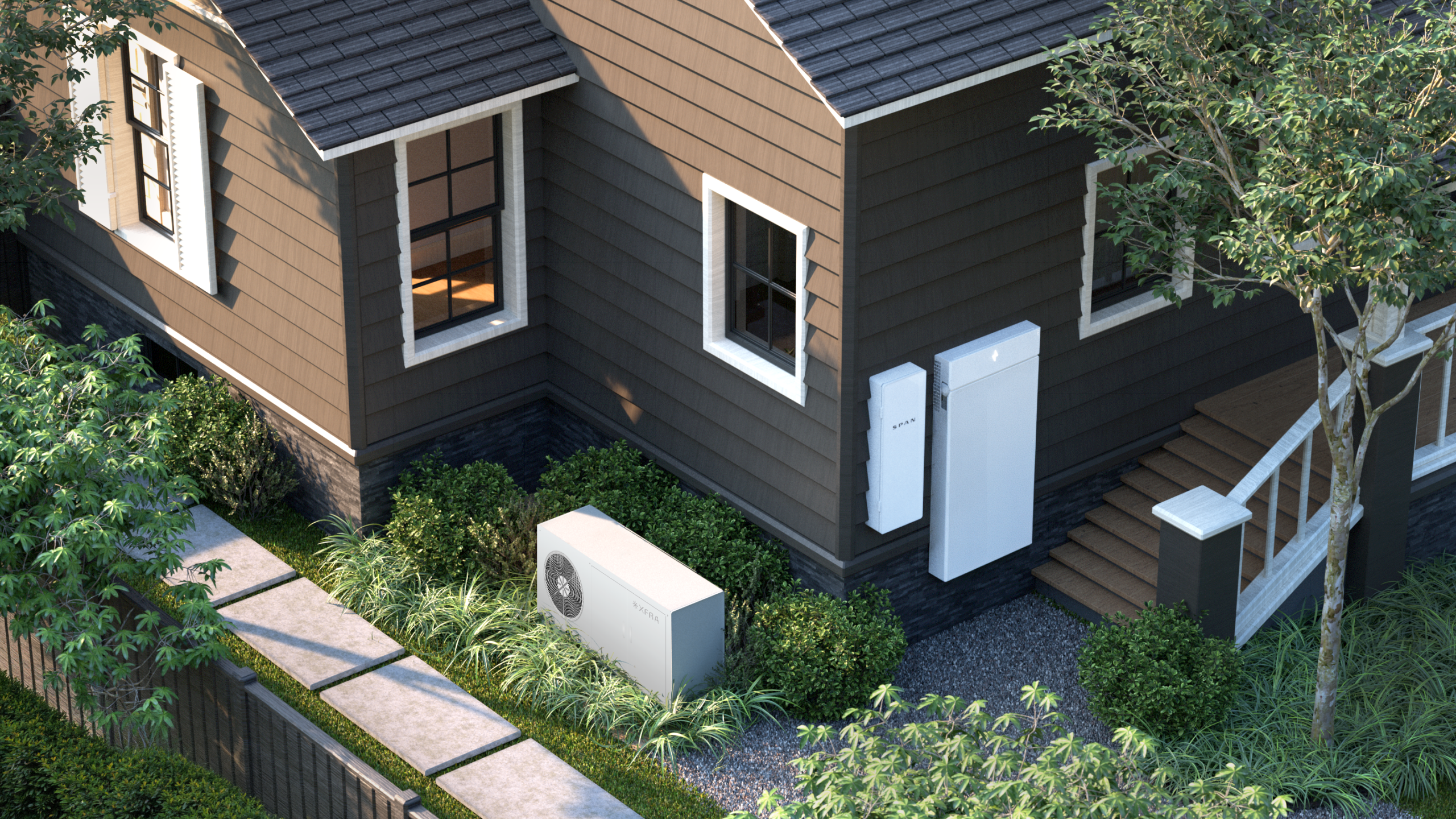
New Initiative Encourages Home-Based Mini Data Centers for AI Compute

Edited by Sable Maranth
Regulation & Business · Updated May 13, 2026
A new initiative is promoting the establishment of mini data centers in residential homes to accelerate AI compute deployment. This plan not only aims to enhance computational resources for AI applications but also offers compensation to homeowners who participate in the program.
Sources reviewed
1
Linked below for direct verification.
Official sources
0
Preferred when available.
Review status
Human reviewed
AI-assisted draft, editor-approved publish.
Confidence
High confidence
85/100 from the draft pipeline.
This AI Signal brief is meant to save busy builders time: what changed, why it matters, and where the reporting comes from.
This story appears to rely mostly on secondary or mixed-source reporting, so readers should treat it as a developing summary rather than a final word. If you spot an issue, email [email protected] or read our editorial standards.
Share this story
Why it matters
- ✓Developers can gain access to more localized computing power, potentially reducing latency and improving the performance of AI applications.
- ✓Builders may find new opportunities in designing homes that can accommodate mini data centers, leading to innovative construction solutions.
- ✓Product teams can leverage the increased availability of distributed computing resources to enhance their AI-driven products and services.
New Initiative Encourages Home-Based Mini Data Centers for AI Compute
A new initiative is promoting the establishment of mini data centers in residential homes to accelerate AI compute deployment. This plan not only aims to enhance computational resources for AI applications but also offers compensation to homeowners who participate in the program. This development could significantly impact how AI resources are distributed and utilized in the coming years.
What happened
According to a report from Ars Technica, the latest pitch in the ongoing AI boom is encouraging individuals to host mini data centers at their homes. This initiative is designed to speed up the deployment of AI computing resources by utilizing the untapped potential of residential spaces. Homeowners who agree to host these data centers will receive compensation, making it an attractive proposition for those looking to monetize their unused space.
The concept is grounded in the need for more robust and accessible AI computing capabilities, as the demand for AI applications continues to surge. By decentralizing data processing and leveraging home-based resources, the initiative aims to create a more efficient and responsive AI ecosystem.
Why it matters
This initiative has several concrete implications for various stakeholders in the tech industry:
- Developers can gain access to more localized computing power, potentially reducing latency and improving the performance of AI applications. With more mini data centers available, developers can run their models closer to the data source, leading to faster processing times and more efficient workflows.
- Builders may find new opportunities in designing homes that can accommodate mini data centers, leading to innovative construction solutions. This could involve integrating specialized electrical and cooling systems to support the additional hardware, creating a niche market for home builders.
- Product teams can leverage the increased availability of distributed computing resources to enhance their AI-driven products and services. With more computational power at their disposal, teams can experiment with larger models and more complex algorithms, ultimately leading to better product offerings.
Context and caveats
While the initiative presents exciting opportunities, it is essential to consider the challenges and limitations that may arise. The implementation of mini data centers in residential areas could raise concerns regarding energy consumption, noise, and the potential for increased heat generation. Homeowners will need to weigh the benefits of compensation against these potential drawbacks.
Moreover, the success of this initiative will depend on the willingness of homeowners to participate and the infrastructure available to support such setups. Not all homes may be suitable for hosting data centers, and the program will need to address these logistical challenges to be successful.
What to watch next
As this initiative unfolds, it will be crucial to monitor its adoption rate among homeowners and the impact it has on the AI landscape. Key areas to watch include:
- Regulatory responses: Local governments may need to establish guidelines for residential data centers, addressing zoning laws, energy consumption, and safety regulations.
- Technological advancements: Innovations in energy-efficient hardware and cooling solutions could make home-based data centers more viable and attractive to homeowners.
- Market trends: The response from developers and builders will indicate how quickly this model can be integrated into new housing projects and renovations.
In conclusion, the push for mini data centers in homes represents a significant shift in the approach to AI computing resources. By decentralizing data processing, this initiative could enhance the capabilities of developers, builders, and product teams alike, while also presenting new challenges that will need to be addressed.
Sources
- The newest AI boom pitch: Host a mini data center at your home — Ars Technica AI
Newsletter
Weekly AI signal. No spam.
More in Business

Replit Selects OpenAI as Default Model Provider, Phasing Out Anthropic
Replit has announced that it will replace Anthropic with OpenAI as its default model provider,…
9h ago

Anthropic Reports Shift in Workforce Composition and Meeting Culture
Anthropic has revealed that its workforce has become less junior and is now spending more time in…
9h ago

Replit CEO Envisions Future of Work as 'Self-Driving Companies'
Amjad Masad, CEO of Replit, has articulated a vision for the future of work characterized by…
15h ago

Websites Restrict Access for AI Agents
Several major websites are implementing restrictions that prevent AI agents from performing tasks…
15h ago
Comments
Sign in to join the discussion
Loading comments…