
Nikon Disqualifies Microscopic Video Contest Winner for AI Use

Edited by Sable Maranth
Regulation & Business · Updated October 10, 2026
Nikon has disqualified Dr. Ning Xu, the original first place winner of its Small World in Motion contest, for using generative AI in post-processing of his video. The video, which depicted cilia movement in a child's airway, was found to violate competition rules concerning the use of AI technologies. This decision follows public skepticism regarding the video's authenticity.
Sources reviewed
1
Linked below for direct verification.
Official sources
0
Preferred when available.
Review status
Human reviewed
AI-assisted draft, editor-approved publish.
Confidence
High confidence
90/100 from the draft pipeline.
This AI Signal brief is meant to save busy builders time: what changed, why it matters, and where the reporting comes from.
This story appears to rely mostly on secondary or mixed-source reporting, so readers should treat it as a developing summary rather than a final word. If you spot an issue, email [email protected] or read our editorial standards.
Share this story
Why it matters
- ✓Developers and content creators must be aware of the rules surrounding AI use in competitions, as violations can lead to disqualification.
- ✓The incident highlights the ongoing debate about the authenticity of AI-generated content and its implications for scientific and artistic integrity.
- ✓Product teams should consider how AI tools are integrated into their workflows and ensure compliance with relevant guidelines to avoid potential backlash.
Nikon Disqualifies Microscopic Video Contest Winner for AI Use
Nikon has made headlines by disqualifying Dr. Ning Xu, the original first place winner of its Small World in Motion contest, due to the use of generative AI in the post-processing of his award-winning video. This decision raises important questions about the role of artificial intelligence in creative and scientific endeavors, particularly in competitions that emphasize authenticity and originality.
What happened
The controversy began when Nikon reviewed the winning entry after receiving skepticism from the public regarding its authenticity. Dr. Ning Xu's video claimed to showcase tiny, hair-like structures known as cilia moving in the airway of a child suffering from Primary Ciliary Dyskinesia (PCD). However, upon further investigation, Nikon determined that the video did not comply with the competition's rules regarding the use of generative AI. Dr. Xu later confirmed on LinkedIn that he had employed an unsupervised neural-network method for AI-assisted post-processing, which ultimately led to his disqualification.
Why it matters
This incident is significant for several reasons:
- Awareness of Competition Rules: Developers and content creators must be vigilant about the guidelines governing the use of AI technologies in competitions. Violating these rules can lead to disqualification, as seen in this case.
- Authenticity Debate: The disqualification highlights the ongoing debate about the authenticity of AI-generated content. As AI tools become more prevalent in creative processes, questions arise about what constitutes original work and how AI influences our understanding of authenticity in scientific and artistic contexts.
- Integration of AI Tools: Product teams and developers should carefully consider how they integrate AI tools into their workflows. Ensuring compliance with relevant guidelines is crucial to avoid potential backlash or disqualification in competitive environments.
Context and caveats
The use of AI in creative fields is a rapidly evolving topic. While AI can enhance and streamline processes, it also raises ethical questions about originality and authenticity. In this case, the competition's rules were clear about the use of generative AI, and Nikon's decision to disqualify Dr. Xu underscores the importance of adhering to these guidelines.
Moreover, the skepticism surrounding the video's authenticity reflects a broader concern about the implications of AI in scientific visualization. As AI technologies continue to advance, the line between genuine human creativity and AI-generated content may blur, necessitating ongoing discussions about standards and ethics in both scientific and artistic communities.
What to watch next
Moving forward, it will be important to monitor how organizations like Nikon adapt their competition rules in response to the growing use of AI technologies. Additionally, the scientific community may need to establish clearer guidelines regarding the use of AI in research and visualization to maintain integrity and authenticity.
As AI tools become more integrated into various fields, developers, builders, and product teams should stay informed about the evolving landscape of regulations and best practices. This incident serves as a reminder of the need for transparency and adherence to established guidelines when utilizing AI in creative and scientific endeavors.
Sources
More in Regulation
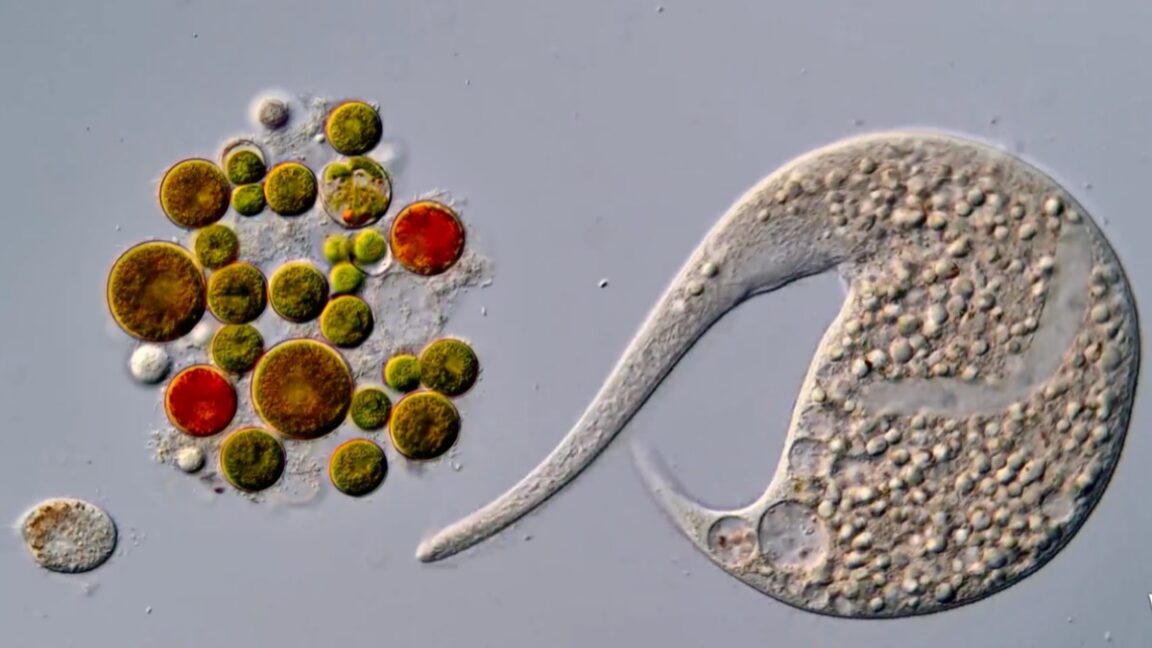
AI Disqualification Leads to New Nikon Small World in Motion Winner
The Nikon Small World in Motion competition has a new winner following the disqualification of the…
2h ago

Amazon and Microsoft End Secrecy in Data Center Deals
Amazon has announced it will no longer use non-disclosure agreements (NDAs) when negotiating data…
20h ago

Trump Attempts to Rebrand AI as 'Super Intelligence'
President Donald Trump is attempting to rebrand artificial intelligence (AI) by labeling it 'super…
20h ago

Law & Order's Season Premiere Highlights AI Concerns
In the premiere of its 26th season, 'Law & Order' explores the potential dangers of artificial…
1d ago
Comments
Sign in to join the discussion
Loading comments…