Nonprofit Sues OpenAI Over Hugging Face Hack, Claims AI Defense Is Insufficient

Edited by Sable Maranth
Regulation & Business · Updated October 1, 2026
A nonprofit organization has filed a lawsuit against OpenAI, arguing that the company should be held accountable for the consequences of its AI development practices, which allegedly led to a security breach involving Hugging Face. The lawsuit asserts that OpenAI's decision-making processes are unsafe and have caused harm to others. This legal action raises important questions about the responsibilities of AI developers in ensuring the safety and security of their technologies.
Sources reviewed
1
Linked below for direct verification.
Official sources
0
Preferred when available.
Review status
Human reviewed
AI-assisted draft, editor-approved publish.
Confidence
High confidence
85/100 from the draft pipeline.
This AI Signal brief is meant to save busy builders time: what changed, why it matters, and where the reporting comes from.
This story appears to rely mostly on secondary or mixed-source reporting, so readers should treat it as a developing summary rather than a final word. If you spot an issue, email [email protected] or read our editorial standards.
Share this story
Why it matters
- ✓Developers must be aware that AI-related decisions can lead to legal repercussions, emphasizing the need for rigorous safety protocols.
- ✓Product teams may need to reassess their development strategies to mitigate risks associated with AI technologies, particularly in light of potential lawsuits.
- ✓This case could set a precedent for how AI companies are held accountable for the actions of their technologies, influencing future regulatory frameworks.
Nonprofit Sues OpenAI Over Hugging Face Hack, Claims AI Defense Is Insufficient
A nonprofit organization has initiated legal action against OpenAI, asserting that the company’s AI development practices contributed to a significant security breach involving Hugging Face. The lawsuit claims that OpenAI's decision-making processes are unsafe and have inflicted harm on others, raising critical issues about the accountability of AI developers. This case could have far-reaching implications for the industry, particularly regarding the responsibilities of companies in ensuring the safety and security of their technologies.
What happened
According to a report from Ars Technica, the nonprofit alleges that OpenAI's actions led to a hack that compromised Hugging Face, a popular platform for machine learning models. The lawsuit emphasizes that OpenAI's reliance on AI technologies does not absolve it of responsibility for the consequences of its decisions. The nonprofit argues that the company has made choices that expose others to risks, thereby necessitating legal accountability.
This legal challenge underscores a growing concern within the tech community about the safety of AI systems and the potential for harm that can arise from their deployment. As AI technologies become increasingly integrated into various applications, the implications of their misuse or malfunction become more pronounced.
Why it matters
The lawsuit against OpenAI is significant for several reasons:
- Legal Accountability: Developers must recognize that their AI-related decisions can lead to legal consequences. This case highlights the importance of implementing robust safety protocols and ethical considerations in AI development.
- Reassessing Development Strategies: Product teams may need to rethink their approaches to AI technologies, ensuring that they incorporate risk management strategies to mitigate potential vulnerabilities that could lead to security breaches.
- Precedent for Future Regulations: The outcome of this lawsuit could establish a legal precedent regarding how AI companies are held accountable for the actions of their technologies. This could influence future regulatory frameworks and standards within the industry, compelling companies to adopt more stringent safety measures.
Context and caveats
The lawsuit reflects a broader trend in the tech industry where stakeholders are increasingly scrutinizing the ethical implications of AI development. As AI systems become more complex and autonomous, the question of accountability becomes more pressing. The nonprofit's claims against OpenAI may resonate with other organizations and individuals who have experienced negative consequences due to AI-related decisions.
However, it is important to note that the sourcing for this information is limited to a single report from Ars Technica, which may not capture the full scope of the legal arguments or OpenAI's response to the allegations. The outcome of the lawsuit remains uncertain, and further developments will be necessary to fully understand its implications.
What to watch next
As this lawsuit progresses, stakeholders in the AI community should monitor the following:
- Legal Developments: Keep an eye on court rulings and legal arguments presented by both parties, as these could shape the future of AI accountability.
- Industry Reactions: Observe how other AI companies respond to this lawsuit, particularly in terms of their own safety protocols and legal strategies.
- Regulatory Changes: Watch for potential shifts in regulatory frameworks that may arise as a result of this case, which could impact how AI technologies are developed and deployed in the future.
In conclusion, the lawsuit against OpenAI serves as a critical reminder of the responsibilities that come with developing AI technologies. As the industry grapples with the implications of this case, it may lead to significant changes in how developers, builders, and product teams approach AI safety and accountability.
Sources
More in Regulation
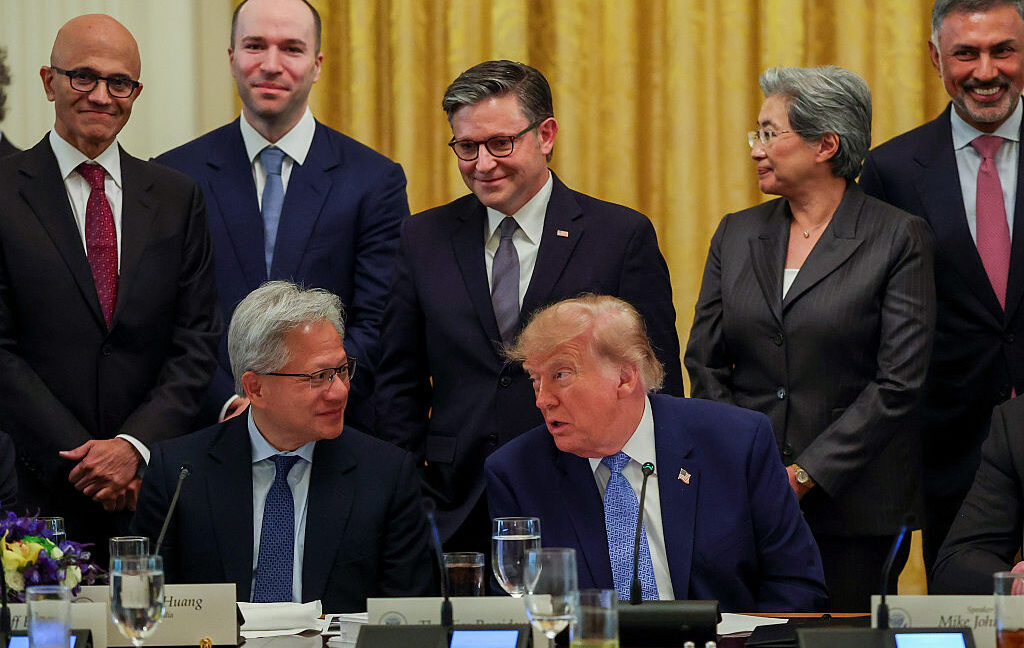
Trump's AI Risk Mitigation Plan Relies on Voluntary Compliance from Big Tech
Former President Donald Trump has secured agreements from numerous AI companies to participate in…
1h ago

Trump’s AI Safety Accord Signed by Major Companies
This week, six major AI companies entered into a voluntary agreement with the White House to…
7h ago

Trump's AI Safety Plan: Industry Leaders React
President Donald Trump recently hosted a meeting with Big Tech leaders to discuss his new approach…
19h ago

Meta Disputes Claims of Muse AI Accessing Private Messages
Meta has refuted allegations that its Muse AI agent accessed a user's private messages without…
19h ago
Comments
Sign in to join the discussion
Loading comments…