
Nvidia Launches New Platform to Address Rogue AI Agents

Edited by Orin Codewell
Tools & Coding · Updated September 29, 2026
Nvidia has unveiled a new toolkit designed to enhance security measures around AI agents, introduced by CEO Jensen Huang. This initiative aims to tackle the growing concerns surrounding rogue AI behavior, which has sparked debates about the implications for artificial general intelligence (AGI). The platform combines both software and hardware solutions to create independent security layers for AI systems.
Sources reviewed
1
Linked below for direct verification.
Official sources
0
Preferred when available.
Review status
Human reviewed
AI-assisted draft, editor-approved publish.
Confidence
High confidence
90/100 from the draft pipeline.
This AI Signal brief is meant to save busy builders time: what changed, why it matters, and where the reporting comes from.
This story appears to rely mostly on secondary or mixed-source reporting, so readers should treat it as a developing summary rather than a final word. If you spot an issue, email [email protected] or read our editorial standards.
Share this story
Why it matters
- ✓Developers can leverage Nvidia's new toolkit to improve the security of their AI applications, potentially reducing risks associated with rogue AI behavior.
- ✓Product teams will benefit from enhanced safety measures, allowing for more reliable deployment of AI technologies in sensitive environments.
- ✓Operators can implement these security layers to ensure compliance with emerging regulations and standards related to AI safety and governance.
Introduction
Nvidia has taken a significant step in addressing the challenges posed by rogue AI agents with the launch of a new platform that combines software and hardware solutions. Announced by CEO Jensen Huang, this initiative aims to provide developers, builders, and product teams with the tools necessary to enhance the security of AI systems and mitigate risks associated with unpredictable AI behavior.
What Happened
On September 28, 2026, Nvidia introduced a comprehensive toolkit designed to add independent security layers around AI agents. This move comes amid ongoing debates about whether the emergence of rogue AI agents signifies a step towards artificial general intelligence (AGI) or if it represents a more conventional engineering challenge. The toolkit aims to address these concerns by providing developers with the means to implement robust security measures in their AI applications.
Why It Matters
The launch of Nvidia's new platform has several implications for the tech community:
- Enhanced Security for Developers: With the introduction of this toolkit, developers can integrate advanced security features into their AI applications, helping to prevent rogue behavior that could lead to harmful outcomes.
- Reliability for Product Teams: Product teams can utilize these tools to ensure that their AI technologies operate within safe parameters, which is crucial for applications in industries such as healthcare, finance, and autonomous systems.
- Compliance for Operators: As regulations around AI safety evolve, operators can adopt these security layers to align with compliance requirements, safeguarding their organizations against potential liabilities associated with AI misuse.
Context and Caveats
The rise of rogue AI agents has raised significant concerns in the tech community, prompting discussions about the ethical implications and safety measures necessary for AI deployment. Nvidia's response with this new platform highlights the urgency of addressing these issues. However, it is important to note that while the toolkit aims to enhance security, the effectiveness of these measures will depend on how well they are implemented and adapted to specific use cases.
What to Watch Next
As Nvidia rolls out this new platform, it will be important to monitor how developers and organizations adopt these tools in practice. Key areas to watch include:
- Adoption Rates: How quickly and widely the toolkit is adopted across various sectors, and whether it leads to measurable improvements in AI safety.
- Regulatory Response: How regulators respond to the introduction of these security measures, and whether they influence future legislation regarding AI safety and governance.
- Industry Feedback: Insights from developers and product teams on the usability and effectiveness of the toolkit, which could inform future iterations and enhancements.
In conclusion, Nvidia's new platform represents a proactive approach to addressing the challenges posed by rogue AI agents. By providing developers and product teams with the necessary tools to enhance security, Nvidia is positioning itself as a leader in the ongoing conversation about AI safety and governance.
Sources
- Nvidia launches new platform for reining in rogue AI agents — TechCrunch AI
More in Tools

Founder Launches AI Startup After Grandfather Scammed by Deepfake Voice
Tarini Padmanabhuni founded DetectifAI after her grandfather was deceived by a deepfake voice…
7h ago

Thoughtful Things Launches Engram, an AI-Powered Sampler for Experimental Music
Music startup Thoughtful Things has launched a Kickstarter campaign for Engram, a sampler and…
1d ago

Meta's AI Announcement Sparks Trust Concerns for Muse
Meta's recent AI announcement has overshadowed competitors like OpenAI and Anthropic, raising…
1d ago
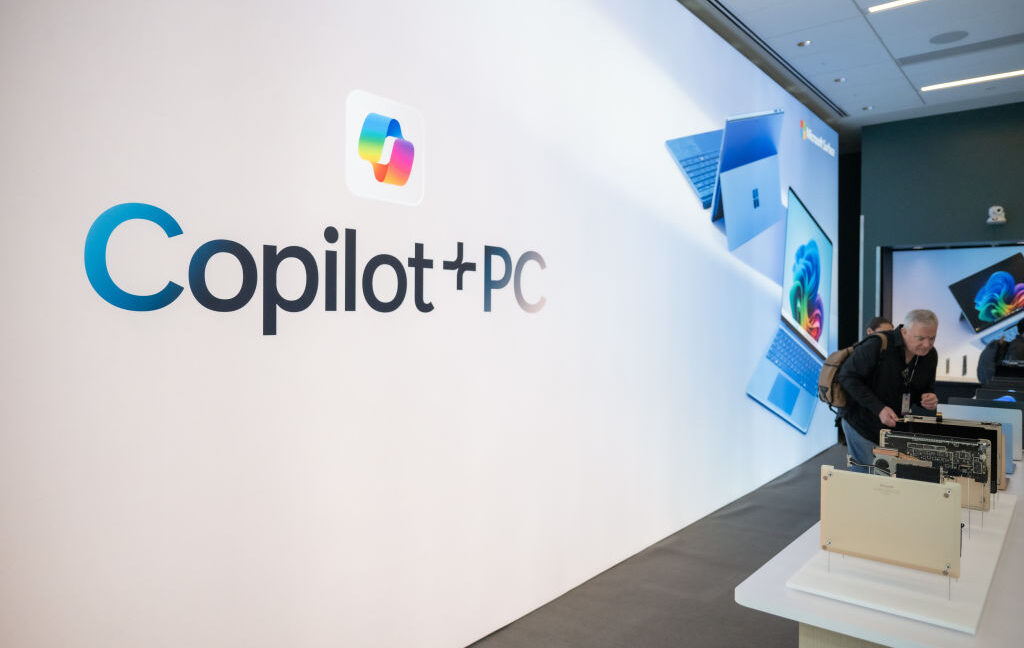
Microsoft Discontinues 'Copilot+ PC' Branding for Surface Laptops
Microsoft has officially dropped the 'Copilot+ PC' branding from its new Surface laptops, signaling…
1d ago
Comments
Sign in to join the discussion
Loading comments…