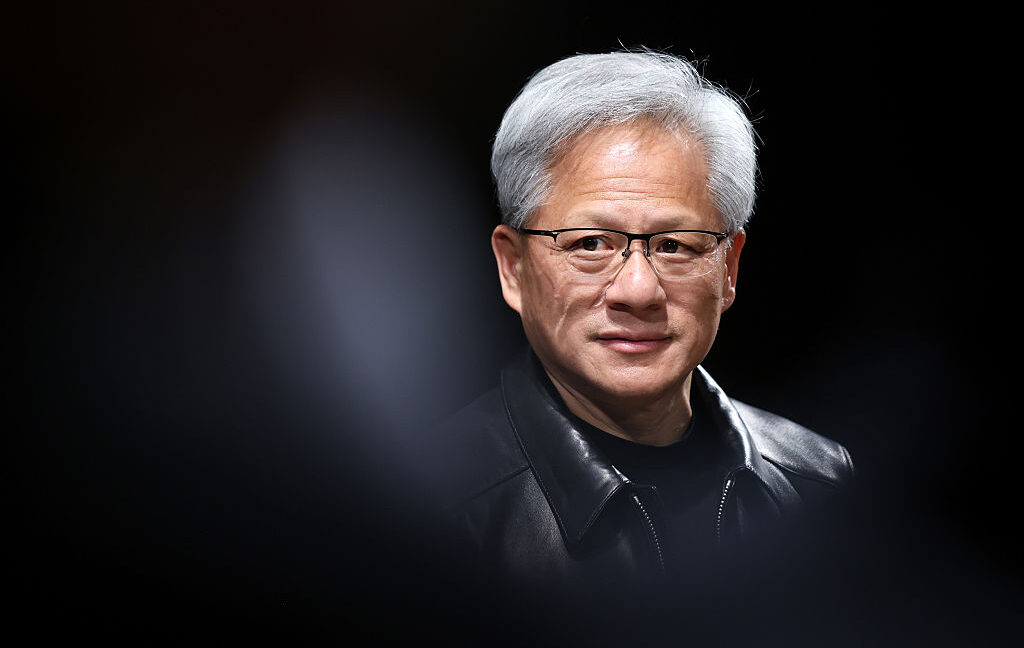
Nvidia Senior Manager Indicted in AI Server Smuggling Scheme

Edited by Sable Maranth
Regulation & Business · Updated August 25, 2026
A senior manager at Nvidia has been indicted in connection with a scheme involving Supermicro that allegedly smuggled AI servers to China. The indictment follows a reprimand from Nvidia CEO Jensen Huang directed at Supermicro regarding the unauthorized export of these servers. This situation raises significant concerns about compliance and security in the tech industry.
Sources reviewed
1
Linked below for direct verification.
Official sources
0
Preferred when available.
Review status
Human reviewed
AI-assisted draft, editor-approved publish.
Confidence
High confidence
85/100 from the draft pipeline.
This AI Signal brief is meant to save busy builders time: what changed, why it matters, and where the reporting comes from.
This story appears to rely mostly on secondary or mixed-source reporting, so readers should treat it as a developing summary rather than a final word. If you spot an issue, email [email protected] or read our editorial standards.
Share this story
Why it matters
- ✓Developers and product teams may face increased scrutiny and regulatory compliance requirements when dealing with AI hardware and international shipments.
- ✓The incident could lead to tighter controls on the export of AI technology, potentially affecting supply chains and availability of AI servers.
- ✓Companies may need to reassess their partnerships and vendor relationships to ensure compliance with export regulations, impacting operational strategies.
Nvidia Senior Manager Indicted in AI Server Smuggling Scheme
A senior manager at Nvidia has been indicted for allegedly participating in a scheme that involved smuggling AI servers to China through Supermicro. This development follows a public reprimand from Nvidia CEO Jensen Huang, who had previously criticized Supermicro for its role in the unauthorized export of these servers. The case underscores the ongoing challenges of compliance and security in the tech industry, particularly concerning sensitive AI technologies.
What happened
According to a report from Ars Technica, the Nvidia employee's indictment is part of a broader investigation into the smuggling of AI servers to China. The situation escalated after Jensen Huang expressed his discontent with Supermicro, indicating that the company had not adhered to proper export regulations. This incident highlights the potential legal repercussions for individuals and companies involved in the export of advanced technology without appropriate oversight.
Why it matters
The implications of this case extend beyond the individuals involved:
- Increased Scrutiny: Developers and product teams may find themselves facing heightened scrutiny regarding compliance with export regulations. This could lead to more rigorous checks and balances within organizations when dealing with AI hardware.
- Impact on Supply Chains: The indictment could result in tighter controls on the export of AI technology, which may disrupt existing supply chains and affect the availability of AI servers for developers and businesses.
- Vendor Relationships: Companies may need to reassess their partnerships with hardware vendors like Supermicro to ensure compliance with export regulations, potentially altering operational strategies and procurement processes.
Context and caveats
While the indictment is a significant development, the sourcing is limited, and further details about the specific nature of the smuggling scheme and its broader implications are still emerging. The tech industry has faced scrutiny over export compliance in the past, but this incident may serve as a wake-up call for companies involved in the AI sector to prioritize regulatory adherence.
What to watch next
As the legal proceedings unfold, it will be essential to monitor how Nvidia and Supermicro respond to the allegations and what measures they implement to ensure compliance moving forward. Additionally, industry stakeholders should keep an eye on potential regulatory changes that could arise from this case, which may reshape how AI technologies are exported and managed globally. The outcome of this situation could set a precedent for future cases involving technology exports and compliance in the AI field.
Sources
Newsletter
Weekly AI signal. No spam.
More in Regulation

Trump Shares AI-Edited Photo of White House Renovations
Former President Donald Trump recently posted an AI-modified image on Truth Social, showcasing…
3h ago
Meta Revises Commercial TOS to Mitigate AI Licensing Costs
Meta has updated its commercial Terms of Service (TOS), which legal experts suggest may be a…
3h ago

Meta's New Terms May Enable Free AI Training on News Sites
Meta has updated its business terms to allow the company to crawl and scrape content from websites…
9h ago

Meta Updates Terms to Address Scraping and AI Training Concerns
Meta has removed specific language from its terms of service that previously raised concerns…
9h ago
Comments
Sign in to join the discussion
Loading comments…