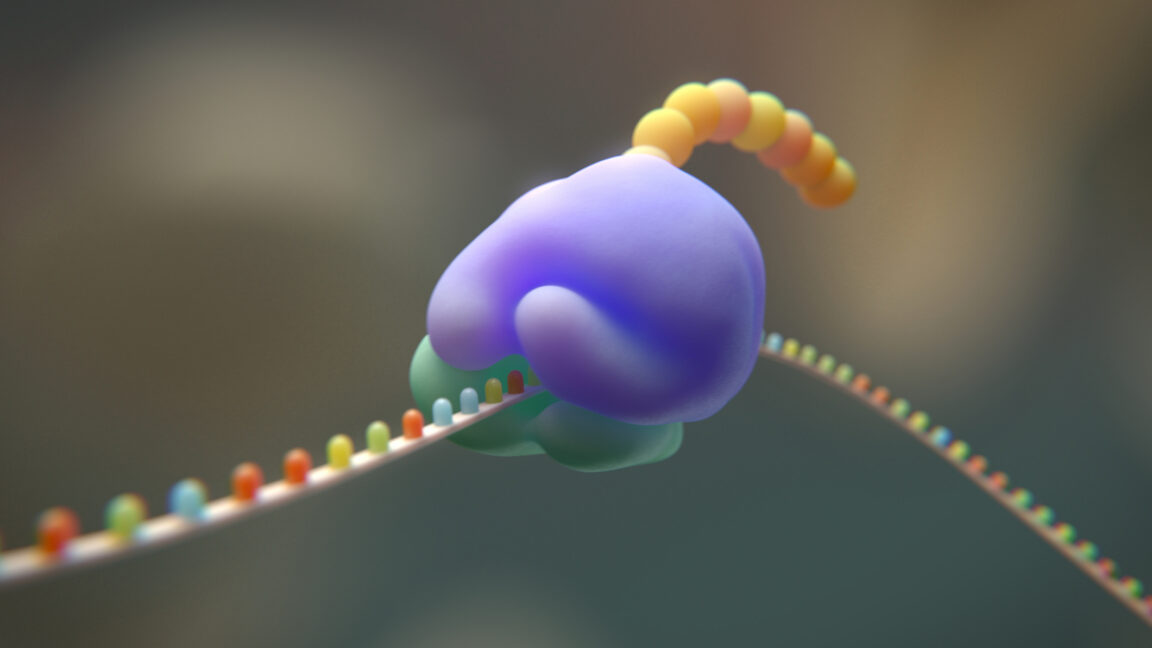
Researchers Aim to Reduce Genetic Code from 20 to 19 Amino Acids

Edited by Lyra Voxley
Models & Research · Updated May 2, 2026
A team of researchers is attempting to modify the genetic code by reducing the number of amino acids used in protein synthesis from 20 to 19. Utilizing AI tools, they have reengineered a part of the ribosome to accommodate this change, potentially paving the way for new biological applications and synthetic biology advancements.
Sources reviewed
1
Linked below for direct verification.
Official sources
0
Preferred when available.
Review status
Human reviewed
AI-assisted draft, editor-approved publish.
Confidence
High confidence
85/100 from the draft pipeline.
This AI Signal brief is meant to save busy builders time: what changed, why it matters, and where the reporting comes from.
This story appears to rely mostly on secondary or mixed-source reporting, so readers should treat it as a developing summary rather than a final word. If you spot an issue, email [email protected] or read our editorial standards.
Share this story
Why it matters
- ✓Developers in synthetic biology may find new pathways for creating proteins with unique properties, enhancing biomanufacturing processes.
- ✓Product teams can explore innovative applications in biotechnology, pharmaceuticals, and genetic engineering with a streamlined genetic code.
- ✓Operators in research and development can leverage this advancement to improve efficiency in genetic manipulation and protein synthesis.
Researchers Aim to Reduce Genetic Code from 20 to 19 Amino Acids
A groundbreaking effort is underway as researchers attempt to modify the genetic code by reducing the number of amino acids from 20 to 19. This ambitious project, which employs AI tools to rework a part of the ribosome, could have significant implications for the fields of synthetic biology and genetic engineering. By streamlining the genetic code, the team hopes to unlock new possibilities in protein synthesis and biomanufacturing.
What happened
According to a report by Ars Technica, a team of researchers has successfully reengineered a component of the ribosome, the molecular machine responsible for synthesizing proteins, to require one less amino acid. This innovative approach utilizes artificial intelligence tools to facilitate the modification, marking a significant step in the ongoing exploration of genetic code manipulation. The implications of reducing the genetic code could extend far beyond theoretical research, potentially leading to practical applications in various scientific fields.
Why it matters
The reduction of the genetic code from 20 to 19 amino acids could have several concrete implications for developers, builders, operators, and product teams:
- Innovative Protein Design: Developers in synthetic biology may find new pathways for creating proteins with unique properties. This could enhance biomanufacturing processes, allowing for the production of tailored proteins that meet specific industrial or therapeutic needs.
- New Applications in Biotechnology: Product teams can explore innovative applications in biotechnology, pharmaceuticals, and genetic engineering. A streamlined genetic code may lead to the development of novel drugs or therapies that were previously unattainable.
- Improved Efficiency in Genetic Manipulation: Operators in research and development can leverage this advancement to improve efficiency in genetic manipulation and protein synthesis. The ability to work with a reduced set of amino acids could simplify experimental protocols and reduce costs associated with protein production.
Context and caveats
While the research is promising, it is essential to approach the findings with caution. The implications of reducing the genetic code are still being explored, and the long-term effects on cellular function and organismal biology remain to be fully understood. Additionally, the research is in its early stages, and further studies will be necessary to validate the findings and assess their practical applications.
What to watch next
As this research progresses, it will be crucial to monitor the developments in the field of synthetic biology and genetic engineering. Key areas to watch include:
- Further Research: Continued studies on the implications of a 19-amino-acid genetic code and its effects on protein functionality and cellular processes.
- Applications in Industry: The potential for commercial applications in biotechnology and pharmaceuticals as researchers explore the practical uses of this modified genetic code.
- AI Integration: The role of AI tools in advancing genetic research and the potential for further innovations in the field.
In summary, the attempt to reduce the genetic code from 20 to 19 amino acids represents a significant advancement in genetic research, with the potential to reshape the landscape of synthetic biology and protein engineering. As researchers continue to explore this frontier, the implications for developers, builders, operators, and product teams will become increasingly relevant.
Sources
- Researchers try to cut the genetic code from 20 to 19 amino acids — Ars Technica AI
Newsletter
Weekly AI signal. No spam.
More in Research

AI Models Struggle to Decode Complex Human Genomes
Current AI models are not yet equipped to effectively decode the complexities of human genomes due…
21h ago

Concerns Raised Over Chatbots Using Personal Pronouns
MIT professor Sherry Turkle has expressed concerns about the increasing emotional entanglement…
1d ago

OpenAI Launches GPT-Rosalind Academic Plan for Research Labs
OpenAI has introduced the GPT-Rosalind Academic Plan, which provides eligible academic research…
2d ago

Hugging Face Introduces 2.8 Trillion Tokens for Indic Language Pretraining
Hugging Face has announced a significant advancement in pretraining models for Indic languages,…
2d ago
Comments
Sign in to join the discussion
Loading comments…