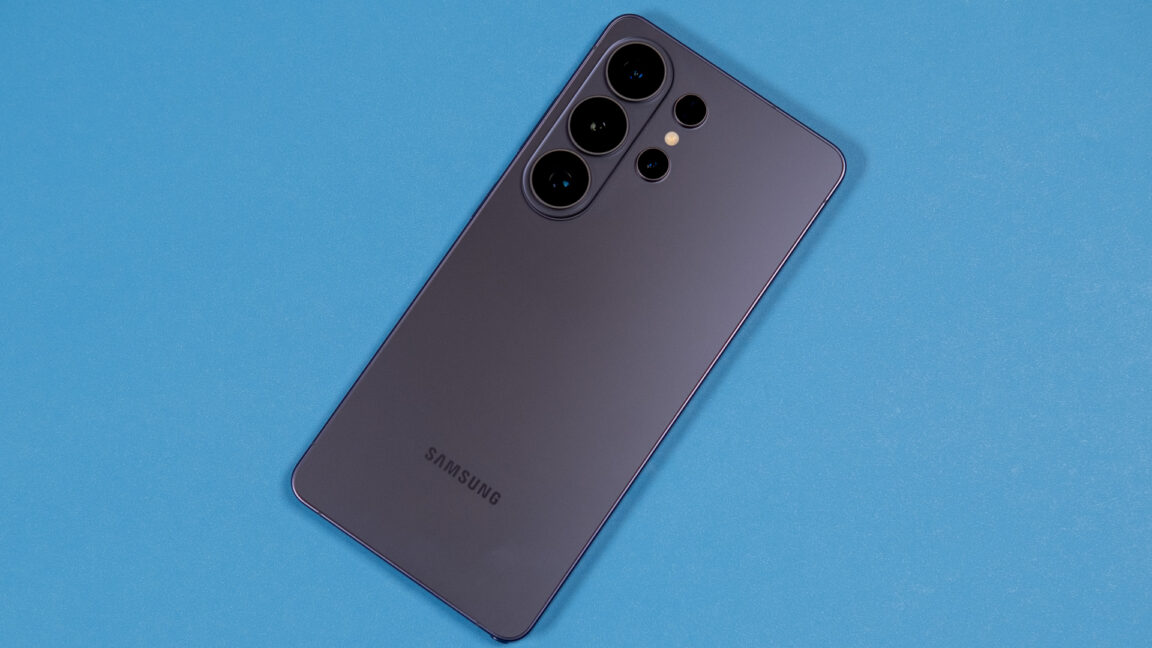
Samsung Executives Concerned About Potential Losses in Smartphone Business

Edited by Sable Maranth
Regulation & Business · Updated April 26, 2026
Samsung executives are reportedly worried that the company could face its first-ever annual loss in the smartphone sector due to an AI-driven memory shortage impacting its financial performance. This situation highlights the challenges Samsung is facing in maintaining profitability amidst supply chain issues and market pressures.
Sources reviewed
1
Linked below for direct verification.
Official sources
0
Preferred when available.
Review status
Human reviewed
AI-assisted draft, editor-approved publish.
Confidence
High confidence
85/100 from the draft pipeline.
This AI Signal brief is meant to save busy builders time: what changed, why it matters, and where the reporting comes from.
This story appears to rely mostly on secondary or mixed-source reporting, so readers should treat it as a developing summary rather than a final word. If you spot an issue, email [email protected] or read our editorial standards.
Share this story
Why it matters
- ✓Developers and product teams may need to reassess their reliance on Samsung's hardware, as potential financial instability could affect future product availability and innovation.
- ✓Builders should consider diversifying their supply chains and partnerships to mitigate risks associated with Samsung's potential decline in the smartphone market.
- ✓Operators may face challenges in managing inventory and pricing strategies if Samsung's smartphone offerings become less competitive or if new models are delayed.
Samsung Executives Concerned About Potential Losses in Smartphone Business
Samsung is facing significant challenges in its smartphone division, with executives expressing concerns that the company could experience its first-ever annual loss in this sector. This troubling news is largely attributed to an AI-driven memory shortage that is adversely affecting Samsung's financial performance. As a leading player in the smartphone market, these developments could have far-reaching implications for developers, builders, and operators alike.
What happened
According to a report by Ars Technica, Samsung executives are increasingly worried about the potential for financial losses in the smartphone business. This concern arises from an ongoing memory shortage that is being exacerbated by AI technologies, which are impacting production capabilities and costs. The memory shortage has put pressure on Samsung's bottom line, raising questions about the company's ability to maintain profitability in a highly competitive market.
Why it matters
The implications of Samsung's potential financial struggles extend beyond the company itself:
- Impact on Developers and Product Teams: With Samsung's financial stability in question, developers and product teams may need to rethink their reliance on Samsung's hardware. If the company struggles to maintain its market position, it could lead to fewer innovations and updates in the smartphone ecosystem, affecting app development and compatibility.
- Supply Chain Diversification: Builders should consider diversifying their supply chains and partnerships. Relying heavily on Samsung could pose risks if the company faces ongoing financial difficulties, leading to potential shortages or delays in product availability.
- Challenges for Operators: For operators, managing inventory and pricing strategies could become more complex. If Samsung's smartphone offerings become less competitive or if new models are delayed due to production issues, operators may need to adjust their marketing and sales strategies to accommodate changing consumer preferences.
Context and caveats
The concerns raised by Samsung executives come at a time when the smartphone market is already facing various challenges, including increased competition from other manufacturers and shifting consumer demands. The AI-driven memory shortage is a significant factor, but it is not the only issue at play. The overall economic climate, global supply chain disruptions, and evolving technology trends are also contributing to the uncertainty in the smartphone market.
While the sourcing for this report is limited, the implications of Samsung's potential financial losses are clear. The company has long been a dominant player in the smartphone industry, and any significant changes in its performance could ripple through the entire ecosystem.
What to watch next
As Samsung navigates these challenges, it will be crucial for developers, builders, and operators to monitor the company's financial health and market strategies closely. Key areas to watch include:
- Product Releases: Keep an eye on upcoming smartphone releases from Samsung and how they are received in the market. Delays or underwhelming products could signal deeper issues.
- Supply Chain Developments: Watch for updates on the memory shortage and how it impacts Samsung's production capabilities. Any improvements or further complications could affect the company's financial outlook.
- Market Competitors: Observe how other smartphone manufacturers respond to Samsung's challenges. Increased competition could lead to shifts in market dynamics that affect pricing and innovation across the industry.
In conclusion, Samsung's potential for financial losses in its smartphone division is a significant development that could have wide-ranging effects on the tech ecosystem. Developers, builders, and operators must stay informed and adapt their strategies accordingly to navigate this evolving landscape.
Sources
Newsletter
Weekly AI signal. No spam.
More in Business

Replit Selects OpenAI as Default Model Provider, Phasing Out Anthropic
Replit has announced that it will replace Anthropic with OpenAI as its default model provider,…
9h ago

Anthropic Reports Shift in Workforce Composition and Meeting Culture
Anthropic has revealed that its workforce has become less junior and is now spending more time in…
9h ago

Replit CEO Envisions Future of Work as 'Self-Driving Companies'
Amjad Masad, CEO of Replit, has articulated a vision for the future of work characterized by…
15h ago

Websites Restrict Access for AI Agents
Several major websites are implementing restrictions that prevent AI agents from performing tasks…
15h ago
Comments
Sign in to join the discussion
Loading comments…