Tesla Workers Reluctant to Train Optimus Robots as Potential Replacements

Edited by Sable Maranth
Regulation & Business · Updated September 26, 2026
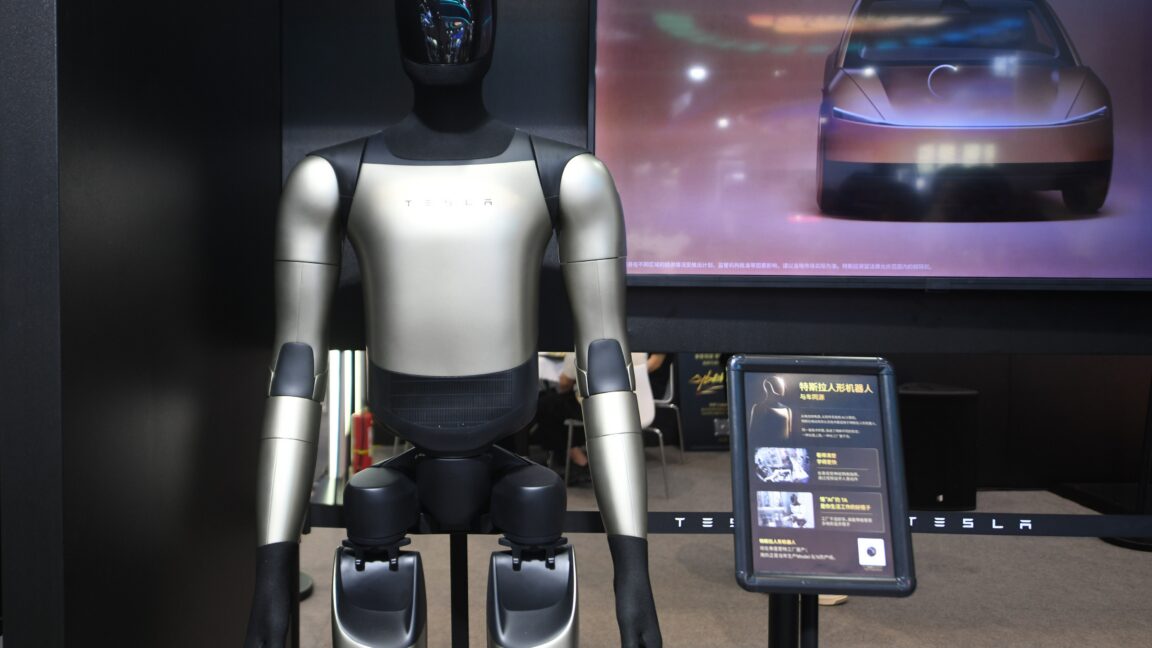
Tesla employees are expressing concerns about training the company's Optimus humanoid robots, which are intended to automate various tasks. The company aims to produce 1,000 of these robots weekly by the end of 2026, raising fears among workers about job security and the implications of automation in the workplace.
Sources reviewed
1
Linked below for direct verification.
Official sources
0
Preferred when available.
Review status
Human reviewed
AI-assisted draft, editor-approved publish.
Confidence
High confidence
85/100 from the draft pipeline.
This AI Signal brief is meant to save busy builders time: what changed, why it matters, and where the reporting comes from.
This story appears to rely mostly on secondary or mixed-source reporting, so readers should treat it as a developing summary rather than a final word. If you spot an issue, email [email protected] or read our editorial standards.
Share this story
Why it matters
- ✓Developers working on AI and robotics may need to consider the ethical implications of automation and its impact on the workforce.
- ✓Product teams could face challenges in employee morale and productivity if workers feel threatened by the introduction of humanoid robots.
- ✓Builders may need to adapt their strategies for integrating AI technologies in a way that addresses worker concerns and promotes collaboration between humans and robots.
Introduction
Tesla is facing pushback from its workforce regarding the training of its Optimus humanoid robots, which are designed to automate various tasks within the company. As Tesla sets ambitious goals to produce 1,000 of these robots per week by the end of 2026, concerns about job security and the implications of automation are becoming increasingly pronounced among employees.
What happened
According to a report from Ars Technica, Tesla workers are hesitant to engage in training the Optimus robots, fearing that their roles may be replaced by these advanced machines. The company's plans for mass production of the humanoid robots signal a significant shift in how tasks may be performed within Tesla's operations, potentially leading to reduced job opportunities for human workers.
Why it matters
The reluctance of Tesla employees to train the Optimus robots highlights several critical issues:
- Ethical Considerations: Developers in AI and robotics must grapple with the ethical implications of creating technologies that could displace human workers. This situation serves as a reminder of the responsibility that comes with innovation.
- Employee Morale: Product teams may need to address the concerns of their workforce to maintain morale and productivity. If employees feel threatened by automation, it could lead to decreased engagement and performance.
- Integration Strategies: Builders and engineers will need to rethink how they integrate AI technologies into their workflows. Collaboration between humans and robots could become essential, requiring new approaches to training and implementation that prioritize worker involvement and acceptance.
Context and caveats
The pushback from Tesla workers is not an isolated incident; it reflects a broader trend in the tech industry where automation is increasingly seen as a double-edged sword. While automation can lead to increased efficiency and reduced costs, it also raises valid concerns about the future of work and the displacement of human labor. The sourcing for this information is limited, primarily coming from the Ars Technica report, which highlights the current sentiments among Tesla employees but does not provide extensive details on the company's internal strategies or responses to these concerns.
What to watch next
As Tesla moves forward with its plans for the Optimus robots, it will be crucial to monitor how the company addresses employee concerns. Key areas to watch include:
- Employee Engagement Initiatives: Will Tesla implement programs to involve workers in the training and integration of the robots?
- Public Response: How will the public and industry stakeholders react to Tesla's automation strategies, especially in light of employee pushback?
- Regulatory Developments: Are there any forthcoming regulations that could impact how companies like Tesla deploy automation technologies?
In conclusion, the situation at Tesla serves as a critical case study for the intersection of automation and workforce dynamics. As the company aims for rapid production of its Optimus robots, balancing innovation with employee concerns will be essential for its long-term success.
Sources
- Tesla workers balk at training Optimus humanoid robots as replacements — Ars Technica AI
Comments
Log in with
Loading comments…
More in Business

British AI Neocloud Nscale Secures $3.36B in Convertible Financing Ahead of US IPO
Nscale, a British AI neocloud company, has secured $3.36 billion in convertible financing from…
8h ago

Anthropic to Pay Akamai $11.6 Billion Over Seven Years in Cloud Deal
Anthropic has announced a significant cloud infrastructure deal with Akamai, committing $11.6…
8h ago

Meta Connect Showcases Smart Glasses as a Key Focus
At Meta Connect, the company highlighted its expanding line of smart glasses, aiming to enhance…
8h ago
.jpg)
Thieves Steal Nvidia Trailers, End Up with Sand
In a bizarre turn of events, thieves targeted trailers believed to be carrying valuable Nvidia…
14h ago