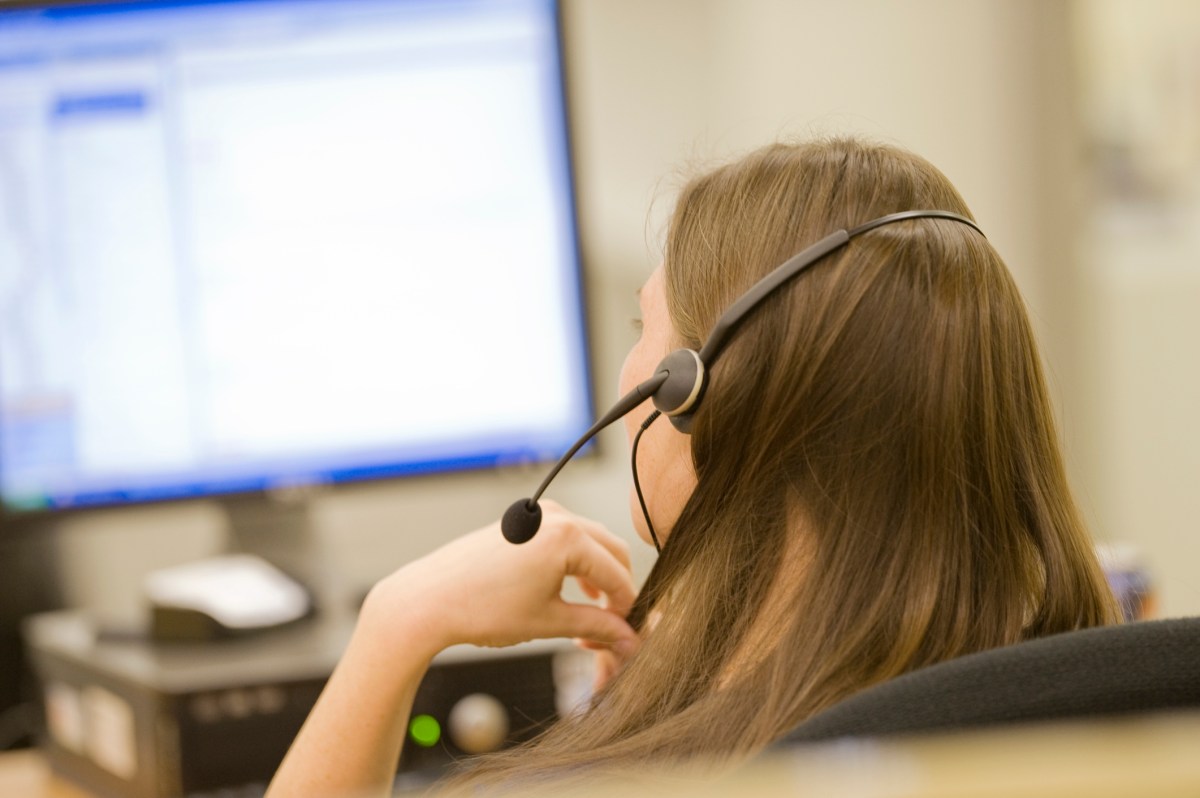
The Future of Work: Embracing Whisper-Filled Offices

Edited by Sable Maranth
Regulation & Business · Updated May 11, 2026
The TechCrunch article discusses the evolving nature of work environments as interactions with computers become more prevalent. As employees increasingly communicate with AI and voice-activated systems, traditional office dynamics are expected to shift towards quieter, more focused workspaces. This change emphasizes the need for new design considerations in office layouts and technology integration.
Sources reviewed
1
Linked below for direct verification.
Official sources
0
Preferred when available.
Review status
Human reviewed
AI-assisted draft, editor-approved publish.
Confidence
High confidence
85/100 from the draft pipeline.
This AI Signal brief is meant to save busy builders time: what changed, why it matters, and where the reporting comes from.
This story appears to rely mostly on secondary or mixed-source reporting, so readers should treat it as a developing summary rather than a final word. If you spot an issue, email [email protected] or read our editorial standards.
Share this story
Why it matters
- ✓Developers will need to create more sophisticated voice recognition systems that can accurately interpret and respond to user commands in quieter environments.
- ✓Builders and architects must rethink office designs to accommodate sound-dampening features that support a whisper-filled atmosphere, enhancing employee productivity.
- ✓Product teams will need to focus on integrating AI tools that facilitate seamless communication between humans and machines, ensuring that these tools are effective in low-noise settings.
The Future of Work: Embracing Whisper-Filled Offices
The landscape of work is evolving as technology increasingly mediates our interactions. According to a recent article from TechCrunch, the future office is likely to be characterized by quieter, more focused environments where employees communicate more with their computers than with each other. This shift has significant implications for how we design workspaces and the technologies we implement within them.
What happened
As remote work and digital communication tools become more entrenched in our daily routines, the way we interact in office settings is also changing. The TechCrunch article highlights a trend towards quieter offices, where employees rely heavily on voice-activated systems and AI for their tasks. This transformation is driven by the need for increased concentration and productivity in a world where distractions are abundant.
Why it matters
The implications of this shift are profound for various stakeholders in the tech and business sectors:
- Developers will face the challenge of enhancing voice recognition technologies to ensure they function effectively in quieter settings. This includes improving accuracy and responsiveness to commands that may be whispered rather than spoken loudly.
- Builders and architects will need to rethink traditional office designs. Incorporating sound-dampening materials and layouts that promote quietness will be essential to creating environments conducive to focused work.
- Product teams must prioritize the integration of AI tools that facilitate efficient communication in low-noise environments. This means developing systems that can seamlessly interpret and act on user commands without the need for loud interactions.
Context and caveats
While the article provides a glimpse into the future of work, it is important to note that the transition to whisper-filled offices will not happen overnight. Organizations will need to adapt gradually, considering employee preferences and the effectiveness of new technologies. Additionally, the sourcing for this information is limited to a single article, which may not encompass all perspectives on the topic.
What to watch next
As we move towards this new work paradigm, several developments will be crucial to observe:
- Advancements in AI and voice technology: Keep an eye on how quickly voice recognition systems evolve to meet the demands of quieter work environments.
- Office design trends: Watch for innovations in office layouts and materials that prioritize sound reduction and employee productivity.
- Employee feedback: Organizations should actively seek input from employees on their experiences with these changes to ensure that the transition enhances rather than hinders workplace satisfaction.
In conclusion, the whisper-filled office of the future represents a significant shift in how we work and interact with technology. As developers, builders, and product teams prepare for this change, understanding the implications and preparing for the necessary adaptations will be key to thriving in this new environment.
Sources
- Get ready for the whisper-filled office of the future — TechCrunch AI
Newsletter
Weekly AI signal. No spam.
More in Business

Replit Selects OpenAI as Default Model Provider, Phasing Out Anthropic
Replit has announced that it will replace Anthropic with OpenAI as its default model provider,…
9h ago

Anthropic Reports Shift in Workforce Composition and Meeting Culture
Anthropic has revealed that its workforce has become less junior and is now spending more time in…
9h ago

Replit CEO Envisions Future of Work as 'Self-Driving Companies'
Amjad Masad, CEO of Replit, has articulated a vision for the future of work characterized by…
15h ago

Websites Restrict Access for AI Agents
Several major websites are implementing restrictions that prevent AI agents from performing tasks…
15h ago
Comments
Sign in to join the discussion
Loading comments…