Trump's AI Risk Mitigation Plan Relies on Voluntary Compliance from Big Tech

Edited by Sable Maranth
Regulation & Business · Updated October 1, 2026
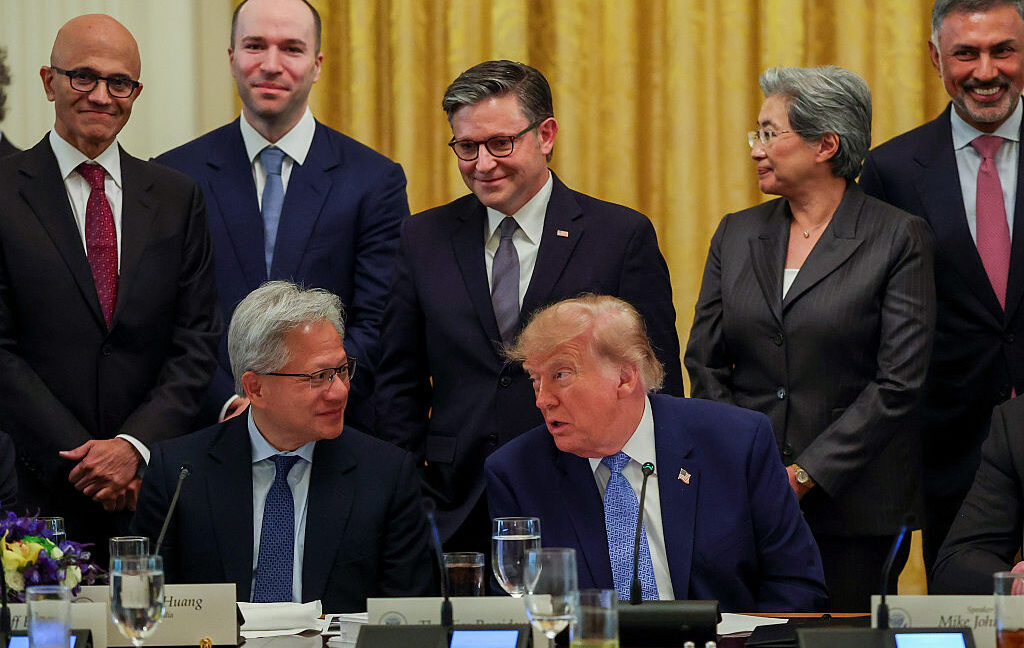
Former President Donald Trump has secured agreements from numerous AI companies to participate in voluntary safety tests aimed at mitigating risks associated with artificial intelligence. This initiative emphasizes self-regulation among tech firms rather than imposing strict government mandates, reflecting a collaborative approach to AI safety.
Sources reviewed
1
Linked below for direct verification.
Official sources
0
Preferred when available.
Review status
Human reviewed
AI-assisted draft, editor-approved publish.
Confidence
High confidence
85/100 from the draft pipeline.
This AI Signal brief is meant to save busy builders time: what changed, why it matters, and where the reporting comes from.
This story appears to rely mostly on secondary or mixed-source reporting, so readers should treat it as a developing summary rather than a final word. If you spot an issue, email [email protected] or read our editorial standards.
Share this story
Why it matters
- ✓Developers may face new expectations regarding AI safety standards, as companies will likely need to demonstrate compliance with the voluntary tests.
- ✓Product teams could see shifts in project timelines as they adapt to new safety protocols and testing requirements.
- ✓The reliance on self-policing may lead to inconsistencies in safety practices across the industry, impacting the overall reliability of AI products.
Trump's AI Risk Mitigation Plan Relies on Voluntary Compliance from Big Tech
Former President Donald Trump has announced a new initiative aimed at addressing the risks associated with artificial intelligence (AI). This plan involves securing agreements from a number of AI firms to engage in voluntary safety tests, marking a significant shift towards self-regulation in the tech industry. The approach reflects a collaborative effort between the government and technology companies, focusing on proactive measures rather than imposing stringent regulations.
What happened
According to a report from Ars Technica, Trump has successfully garnered support from dozens of AI companies to participate in voluntary safety assessments. This initiative is designed to ensure that AI technologies are developed and deployed with safety considerations in mind. By encouraging firms to police themselves, the plan aims to foster a culture of responsibility within the industry, allowing companies to take the lead in establishing safety protocols.
The voluntary nature of these safety tests raises questions about their effectiveness and the potential for varying standards among companies. While the initiative is positioned as a way to mitigate risks, it relies heavily on the willingness of companies to adhere to safety practices without mandatory enforcement.
Why it matters
This initiative has several implications for developers, builders, operators, and product teams in the AI space:
- New Expectations for Compliance: Developers may need to adjust their workflows to align with the voluntary safety tests. Companies that participate will likely need to demonstrate their commitment to safety, which could involve additional documentation and testing phases in their development processes.
- Impact on Project Timelines: Product teams might experience delays as they incorporate new safety protocols into their projects. The need to conduct voluntary safety tests could extend development timelines, particularly for firms that are not already implementing rigorous safety measures.
- Inconsistent Safety Standards: The reliance on self-policing may lead to a patchwork of safety practices across the industry. Companies that choose to participate in the voluntary tests may adopt different standards, which could create challenges for interoperability and trust in AI products.
Context and caveats
The move towards voluntary safety tests comes amid growing concerns about the potential risks posed by AI technologies. As AI systems become increasingly integrated into various sectors, the need for effective safety measures has become more pressing. However, the effectiveness of voluntary compliance remains to be seen, as it depends on the commitment of individual companies to uphold safety standards without external enforcement.
Critics of self-regulation argue that without mandatory guidelines, there is a risk that some companies may prioritize profit over safety, potentially leading to harmful outcomes. The success of this initiative will largely depend on how well companies can hold themselves accountable and whether they are willing to prioritize safety over competitive pressures.
What to watch next
As this initiative unfolds, stakeholders in the AI industry should monitor the following developments:
- Participation Rates: Keep an eye on how many AI firms choose to engage in the voluntary safety tests and the nature of their commitments. High participation rates could signal a collective industry shift towards prioritizing safety.
- Outcomes of Safety Tests: The results of these voluntary safety assessments will be crucial in determining their effectiveness. Observers should look for transparency in reporting outcomes and any subsequent changes in industry practices.
- Potential Regulatory Responses: If the voluntary approach does not yield satisfactory results, there may be calls for more stringent regulations from lawmakers and advocacy groups. The balance between self-regulation and government oversight will be a key area of focus moving forward.
In conclusion, Trump's plan to combat AI risks through voluntary safety tests represents a significant step towards self-regulation in the tech industry. While it has the potential to foster a culture of responsibility among AI firms, its success will depend on the commitment of companies to uphold safety standards and the effectiveness of the measures implemented.
Sources
More in Regulation
Nonprofit Sues OpenAI Over Hugging Face Hack, Claims AI Defense Is Insufficient
A nonprofit organization has filed a lawsuit against OpenAI, arguing that the company should be…
1h ago

Trump’s AI Safety Accord Signed by Major Companies
This week, six major AI companies entered into a voluntary agreement with the White House to…
7h ago

Trump's AI Safety Plan: Industry Leaders React
President Donald Trump recently hosted a meeting with Big Tech leaders to discuss his new approach…
19h ago

Meta Disputes Claims of Muse AI Accessing Private Messages
Meta has refuted allegations that its Muse AI agent accessed a user's private messages without…
19h ago
Comments
Sign in to join the discussion
Loading comments…