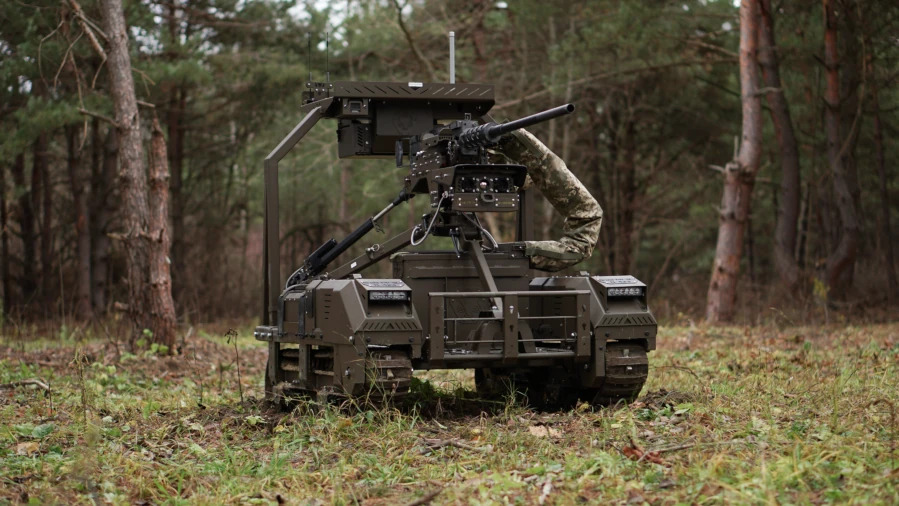
Ukraine Increases Use of Military Robots to Mitigate Drone Risks

Edited by Orin Codewell
Tools & Coding · Updated April 15, 2026
Ukraine is ramping up the deployment of military robots on the battlefield to reduce the risks posed to human soldiers by drones. This shift reflects a strategic move to enhance operational safety and effectiveness in combat zones. The integration of robotic systems aims to replace some human roles in high-risk situations, thereby minimizing casualties.
Sources reviewed
1
Linked below for direct verification.
Official sources
0
Preferred when available.
Review status
Human reviewed
AI-assisted draft, editor-approved publish.
Confidence
High confidence
85/100 from the draft pipeline.
This AI Signal brief is meant to save busy builders time: what changed, why it matters, and where the reporting comes from.
This story appears to rely mostly on secondary or mixed-source reporting, so readers should treat it as a developing summary rather than a final word. If you spot an issue, email [email protected] or read our editorial standards.
Share this story
Why it matters
- ✓Developers and builders in the robotics sector may find new opportunities in military applications, particularly in designing autonomous systems that can operate in combat environments.
- ✓Product teams focused on AI and robotics can learn from Ukraine's approach to integrating technology in high-stakes scenarios, potentially influencing future product development and innovation.
- ✓Operators in defense and military sectors will need to adapt to new workflows and protocols as robotic systems become more prevalent, necessitating training and support for personnel.
Ukraine Increases Use of Military Robots to Mitigate Drone Risks
Ukraine is significantly increasing its deployment of military robots on the battlefield as part of a strategy to offset the risks posed by drones to human soldiers. This move is aimed at enhancing operational safety and effectiveness in combat zones, particularly in areas where drone activity is prevalent. By integrating robotic systems into military operations, Ukraine seeks to replace some human roles in high-risk situations, thereby minimizing casualties and improving overall mission success.
What happened
According to a report by Ars Technica, Ukraine is actively replacing soldiers with robots in frontline combat scenarios. This shift comes in response to the growing threat of drones, which have become a critical component of modern warfare. The use of robots allows for a more strategic approach to combat, where human soldiers can be kept out of the most dangerous situations, reducing the risk of injury or death.
The integration of robotic systems into military operations is not just about replacing human soldiers; it also involves enhancing the capabilities of the military. Robots can perform various tasks, including reconnaissance, logistics, and even direct engagement in combat, depending on their design and functionality. This versatility makes them valuable assets in the evolving landscape of warfare.
Why it matters
The increased use of military robots in Ukraine has several implications for developers, builders, and product teams:
-
Opportunities in Military Robotics: Developers and builders in the robotics sector may find new opportunities in military applications, particularly in designing autonomous systems that can operate in combat environments. The demand for advanced military robots could lead to increased funding and support for research and development in this area.
-
Influence on Product Development: Product teams focused on AI and robotics can learn from Ukraine's approach to integrating technology in high-stakes scenarios. This case study may influence future product development and innovation, particularly in creating systems that prioritize safety and effectiveness in dangerous environments.
-
Adapting to New Workflows: Operators in defense and military sectors will need to adapt to new workflows and protocols as robotic systems become more prevalent. This shift will necessitate training and support for personnel to effectively work alongside these technologies, highlighting the importance of user-friendly design and operational training.
Context and caveats
While the integration of robots into military operations presents numerous advantages, it is essential to consider the broader context. The use of autonomous systems in warfare raises ethical questions and concerns about accountability in combat situations. As military robots become more autonomous, the implications of their actions in combat scenarios will need to be carefully examined.
Moreover, the sourcing for this information is limited to a single report from Ars Technica, which may not capture the full scope of Ukraine's military strategy or the technological specifics of the robots being deployed. Further investigation and reporting will be necessary to understand the complete picture of this military shift.
What to watch next
As Ukraine continues to integrate military robots into its operations, it will be important to monitor several key developments:
-
Technological Advancements: Watch for advancements in robotic technologies and AI that may emerge from this increased focus on military applications. Innovations could have broader implications for other sectors, including logistics, healthcare, and disaster response.
-
Operational Outcomes: Keep an eye on the operational outcomes of deploying robots in combat. Assessing their effectiveness compared to traditional human soldiers will provide valuable insights into the future of warfare and military strategy.
-
Ethical and Legal Implications: The ethical and legal implications of using autonomous systems in warfare will likely come under scrutiny. Observing how these issues are addressed will be crucial for developers and policymakers alike as they navigate the complexities of military technology.
In conclusion, Ukraine's military robot surge represents a significant shift in modern warfare, with potential implications for technology development and military strategy. As this trend evolves, it will be essential for stakeholders in the tech and defense sectors to stay informed and engaged with these developments.
Sources
- Ukraine’s military robot surge aims to offset drone risks to humans — Ars Technica AI
Newsletter
Weekly AI signal. No spam.
More in Tools

Vercel Launches Jev, Its Fastest-Adopted AI Model
Vercel has introduced Jev, marking it as the fastest-adopted AI model in the company's history.…
21h ago

Benefit Street Partners Enhances Efficiency with Codex
Benefit Street Partners has implemented OpenAI's Codex to streamline their processes in loan…
1d ago
Stack Overflow for Agents Sees Triple Signups with ChatGPT Plugin
Stack Overflow for Agents has experienced a significant increase in user signups, tripling the…
1d ago

Nvidia Launches RTX Spark N1X Processor in New Laptops
Nvidia has introduced its RTX Spark N1X processor, a powerful Arm-based SoC designed for laptops…
1d ago
Comments
Sign in to join the discussion
Loading comments…