
AI's Impact on New Graduates: Unemployment Data Shows Stability

Edited by Sable Maranth
Regulation & Business · Updated September 26, 2026
Despite initial concerns that AI would significantly disrupt job opportunities for new graduates, current unemployment data indicates otherwise. According to a report from Ars Technica, there is no substantial evidence of widespread job displacement or a decrease in hiring for recent graduates in the wake of AI advancements.
Sources reviewed
1
Linked below for direct verification.
Official sources
0
Preferred when available.
Review status
Human reviewed
AI-assisted draft, editor-approved publish.
Confidence
High confidence
85/100 from the draft pipeline.
This AI Signal brief is meant to save busy builders time: what changed, why it matters, and where the reporting comes from.
This story appears to rely mostly on secondary or mixed-source reporting, so readers should treat it as a developing summary rather than a final word. If you spot an issue, email [email protected] or read our editorial standards.
Share this story
Why it matters
- ✓Developers and product teams can focus on creating AI tools without the immediate concern of job losses among new graduates, potentially leading to more innovation.
- ✓The stability in hiring suggests that companies are adapting to AI technologies rather than replacing human workers, which may influence how businesses approach workforce planning.
- ✓New graduates can remain optimistic about job prospects, allowing them to pursue careers in AI-related fields without fear of immediate obsolescence.
AI's Impact on New Graduates: Unemployment Data Shows Stability
Recent discussions around the impact of artificial intelligence (AI) on the job market for new graduates have raised concerns about potential job losses. However, new unemployment data suggests that these fears may be unfounded. According to a report from Ars Technica, there is currently no significant evidence of widespread job displacement or a reduction in hiring for recent graduates, indicating that the job market remains stable despite the rise of AI technologies.
What happened
Initial predictions about AI's impact on employment suggested that new graduates would face significant challenges in the job market. Many experts feared that automation and AI-driven tools would lead to a reduction in entry-level positions, particularly in sectors that typically hire recent graduates. However, recent data has shown that hiring rates for new graduates have not declined as anticipated. The report from Ars Technica highlights that, so far, there is no substantial evidence indicating that AI has led to a significant reduction in job opportunities for this demographic.
Why it matters
The implications of this stability in the job market are significant for various stakeholders:
- For Developers and Product Teams: The lack of immediate job displacement allows developers to continue innovating and building AI tools without the concern of causing widespread unemployment among new graduates. This could lead to a more vibrant tech ecosystem where new ideas and applications can flourish.
- For Businesses: Companies are likely adapting to AI technologies rather than replacing human workers, which may influence how they approach workforce planning and talent acquisition. This adaptability can lead to a more integrated approach to human and AI collaboration in the workplace.
- For New Graduates: The stability in hiring trends provides reassurance to new graduates entering the job market. They can pursue careers in AI-related fields with less fear of obsolescence, potentially leading to a more skilled workforce in the long run.
Context and caveats
While the current data is promising, it is essential to remain cautious. The job market is dynamic, and the long-term effects of AI on employment are still uncertain. The report from Ars Technica emphasizes that there is no evidence of significant displacement at this time, but this could change as AI technologies continue to evolve and integrate into various industries. Additionally, the data may not capture the full picture, as some sectors may experience more disruption than others.
What to watch next
As we move forward, it will be crucial to monitor the job market closely for any shifts in hiring trends, particularly as AI technologies become more prevalent. Key areas to watch include:
- Sector-specific impacts: Some industries may be more susceptible to AI-driven changes than others, and tracking these trends will provide insights into where job opportunities may arise or diminish.
- Adaptation strategies: Observing how companies adapt their workforce strategies in response to AI advancements will be important for understanding the future landscape of employment.
- Educational trends: The demand for skills related to AI and technology may influence educational programs and training initiatives, shaping the future workforce.
In conclusion, while concerns about AI's impact on new graduates have been prevalent, current unemployment data suggests that the job market remains stable. Developers, businesses, and new graduates can navigate this landscape with a sense of optimism, but continued vigilance will be necessary as the situation evolves.
Sources
More in Business

Cloudflare CEO Matthew Prince Discusses AI's Impact on the Web
In a recent interview, Cloudflare CEO Matthew Prince addressed the growing influence of AI on…
2h ago
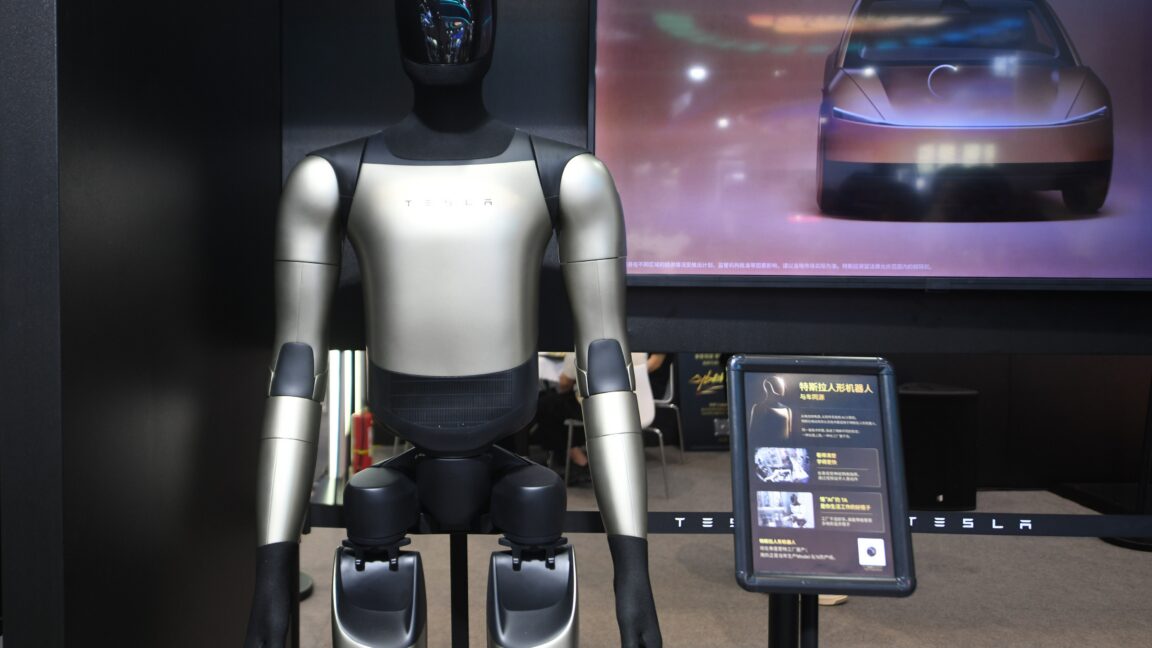
Tesla Workers Reluctant to Train Optimus Robots as Potential Replacements
Tesla employees are expressing concerns about training the company's Optimus humanoid robots, which…
8h ago

British AI Neocloud Nscale Secures $3.36B in Convertible Financing Ahead of US IPO
Nscale, a British AI neocloud company, has secured $3.36 billion in convertible financing from…
14h ago

Anthropic to Pay Akamai $11.6 Billion Over Seven Years in Cloud Deal
Anthropic has announced a significant cloud infrastructure deal with Akamai, committing $11.6…
14h ago
Comments
Sign in to join the discussion
Loading comments…