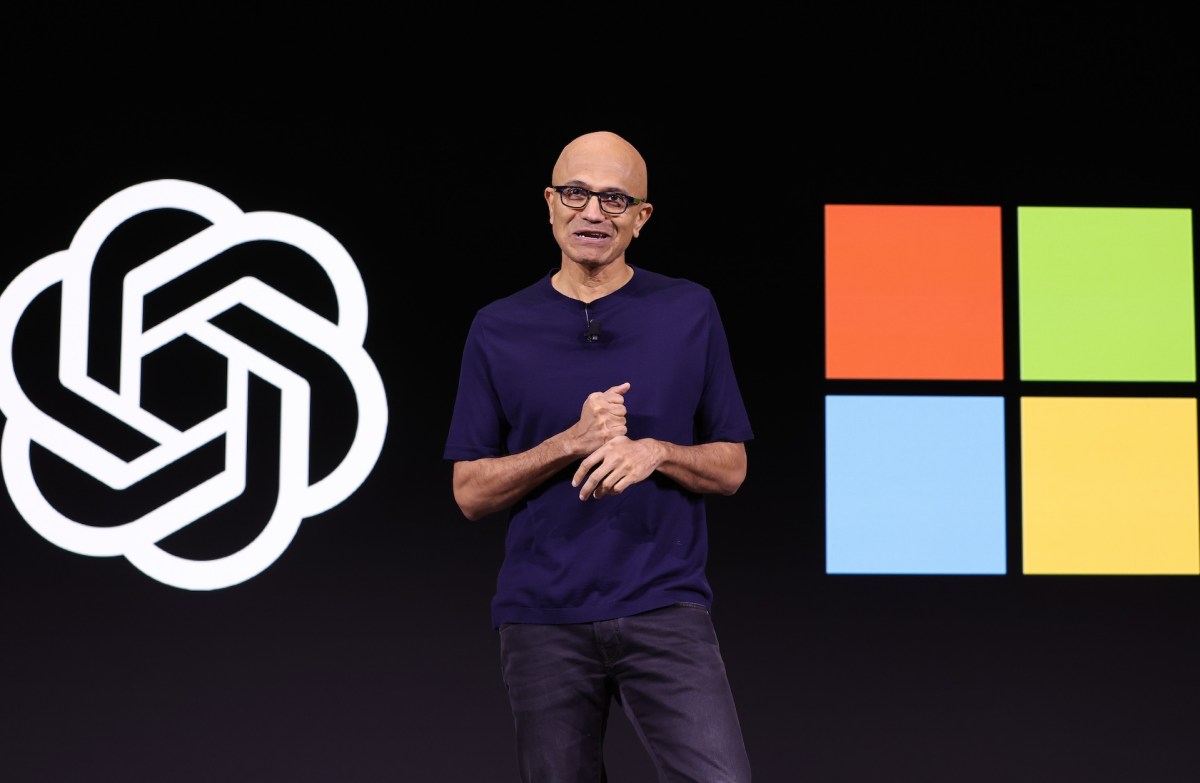
Satya Nadella Warns Companies About Risks of Proprietary AI Models

Edited by Sable Maranth
Regulation & Business · Updated July 14, 2026
Satya Nadella, CEO of Microsoft, has raised concerns about the potential risks associated with companies relying on proprietary AI models from large AI labs. He likened these models to 'Trojan horses' that could pose unforeseen challenges for businesses. This warning highlights the need for companies to critically assess their AI strategies and the implications of using third-party models.
Sources reviewed
1
Linked below for direct verification.
Official sources
0
Preferred when available.
Review status
Human reviewed
AI-assisted draft, editor-approved publish.
Confidence
High confidence
85/100 from the draft pipeline.
This AI Signal brief is meant to save busy builders time: what changed, why it matters, and where the reporting comes from.
This story appears to rely mostly on secondary or mixed-source reporting, so readers should treat it as a developing summary rather than a final word. If you spot an issue, email [email protected] or read our editorial standards.
Share this story
Why it matters
- ✓Developers and product teams must evaluate the risks of integrating proprietary AI models into their applications, as these models may introduce hidden vulnerabilities.
- ✓Companies may need to invest in building their own AI capabilities to mitigate dependency on external vendors, which could lead to increased costs and resource allocation.
- ✓Understanding the implications of proprietary models can help teams make informed decisions about data privacy, security, and compliance.
Introduction
Satya Nadella, the CEO of Microsoft, has issued a stark warning to companies leveraging artificial intelligence (AI) technologies. He cautioned that reliance on proprietary AI models from major labs could lead to significant risks, likening these models to 'Trojan horses' that may harbor unforeseen challenges. This statement has sparked discussions within the tech community about the implications of using third-party AI solutions and the need for businesses to reassess their AI strategies.
What happened
In a recent statement, Nadella highlighted the growing concern among AI enthusiasts regarding the potential downsides of using proprietary models developed by large AI labs. His comments reflect a broader debate in Silicon Valley about the implications of relying on these models, which may not be fully transparent or controllable by the companies that use them. The metaphor of a 'Trojan horse' suggests that while these models may appear beneficial on the surface, they could conceal risks that could undermine a company's operations or data security.
Why it matters
Nadella's warning carries significant implications for developers, builders, operators, and product teams:
- Risk Assessment: Developers and product teams must critically evaluate the risks associated with integrating proprietary AI models into their applications. These models may introduce hidden vulnerabilities that could affect performance, security, and compliance.
- Investment in In-House Capabilities: Companies may need to consider investing in their own AI capabilities to reduce dependency on external vendors. This shift could lead to increased costs and require a reallocation of resources, as building in-house expertise may take time and effort.
- Data Privacy and Security: Understanding the implications of using proprietary models is crucial for teams to make informed decisions about data privacy and security. Companies must ensure that their use of AI complies with regulations and protects user data from potential breaches.
Context and caveats
Nadella's remarks come amid growing scrutiny of AI technologies and their impact on various industries. As AI continues to evolve, the conversation around transparency, accountability, and ethical considerations is becoming increasingly important. While proprietary models can offer advanced capabilities, they also raise questions about control and the potential for unintended consequences.
It's essential to note that the sourcing for this information is limited to Nadella's statements and the reactions from the tech community. Further research and discussions will be necessary to fully understand the implications of these warnings and the best practices for companies navigating the AI landscape.
What to watch next
As the conversation around AI and proprietary models continues to unfold, companies should stay informed about best practices and emerging trends in AI development. Key areas to monitor include:
- Regulatory Developments: Keep an eye on potential regulations that may arise in response to concerns about AI transparency and accountability.
- Industry Responses: Observe how companies adapt their AI strategies in light of Nadella's warning and whether there is a shift towards building in-house capabilities.
- Technological Advancements: Watch for advancements in AI that prioritize transparency and security, as these may provide alternatives to proprietary models.
In conclusion, Satya Nadella's warning serves as a crucial reminder for companies to carefully consider the implications of using proprietary AI models. By assessing risks and exploring in-house capabilities, businesses can better navigate the complexities of the AI landscape.
Sources
Newsletter
Weekly AI signal. No spam.
More in Business

Replit Selects OpenAI as Default Model Provider, Phasing Out Anthropic
Replit has announced that it will replace Anthropic with OpenAI as its default model provider,…
1h ago

Anthropic Reports Shift in Workforce Composition and Meeting Culture
Anthropic has revealed that its workforce has become less junior and is now spending more time in…
1h ago

Replit CEO Envisions Future of Work as 'Self-Driving Companies'
Amjad Masad, CEO of Replit, has articulated a vision for the future of work characterized by…
7h ago

Websites Restrict Access for AI Agents
Several major websites are implementing restrictions that prevent AI agents from performing tasks…
7h ago
Comments
Sign in to join the discussion
Loading comments…